











Is Your E-Bike Worth Repairing or Should You Replace It?
by wangziru on Sep 30, 2026

When an e-bike develops a fault, its age and the price of a replacement part only tell you so much. The decision also depends on whether the fault has been properly diagnosed, the condition of the rest of the bike, the availability of compatible parts and whether it still suits your daily needs. A clear diagnosis and an itemised quote give you a useful starting point for comparing repair with replacement.
Find Out What Actually Needs Repairing
A motor that does not run does not necessarily need replacing. Likewise, a shorter battery range does not automatically mean you need a new battery. Pricing up the most expensive replacement before identifying the fault can make a repair seem more costly than it needs to be.
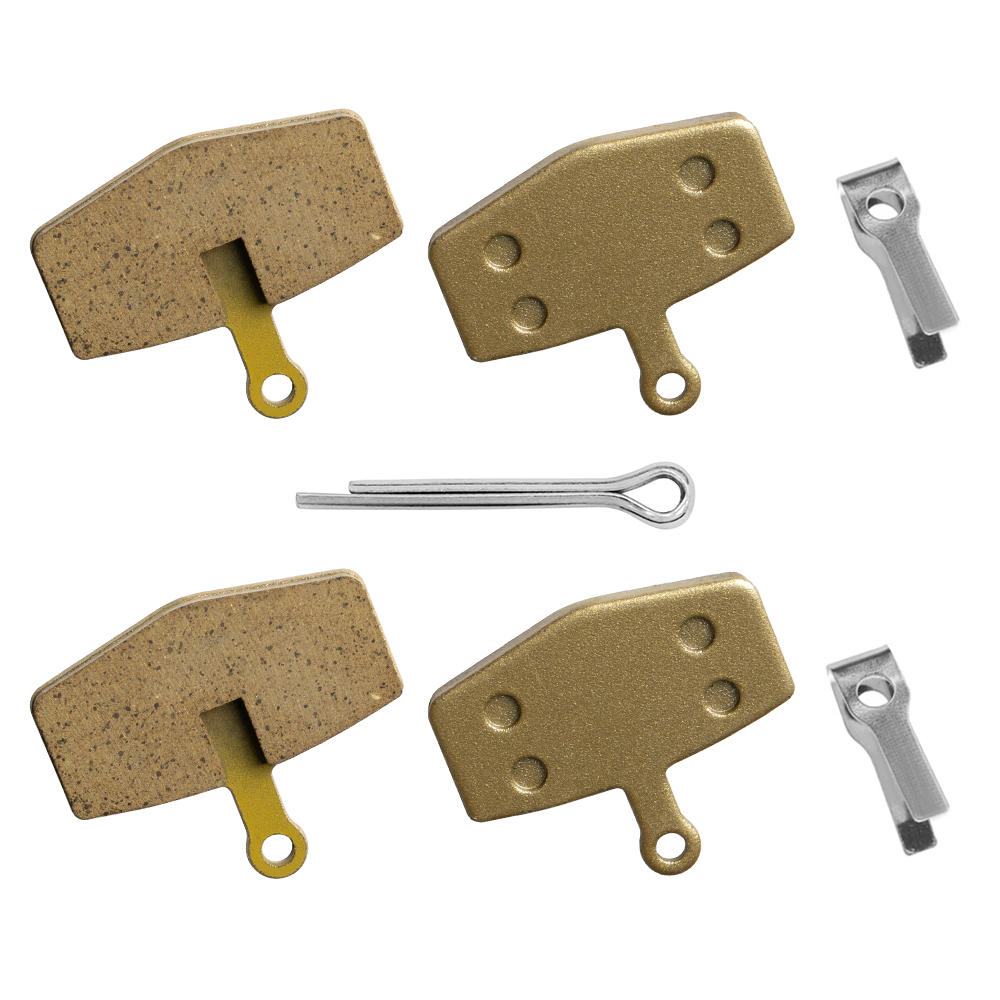
Ask the repairer whether the work involves routine wear items, such as brake pads or a chain, a single faulty component, or several problems that need attention. Replacing consumables is a normal part of owning a bike. It does not, by itself, mean the bike is reaching the end of its useful life.
Before agreeing to the work, clarify a few points:
- Has the fault been confirmed, or is a paid diagnostic check still needed?
- How much will the parts, labour and diagnosis cost?
- Could further work become necessary, and will you be contacted before any additional costs are incurred?
- Which problems will the repair resolve, and which are outside the quote?
A useful quote explains what you are paying for and what you can expect once the work is complete.
Check the Condition of the Whole Bike
A bike with one clearly identified fault and otherwise sound components presents a different decision from one that also needs a battery, brake repairs, wheel work and a new drivetrain.
Ask the repairer to assess the frame, fork, wheels, brakes and drivetrain. They should distinguish between work that needs doing now and normal wear that can be monitored. Possible future repairs should not all be treated as immediate expenses.
Cracks, significant deformation or other structural damage need a professional safety assessment before you compare costs. Whether the bike can be repaired safely must be established first; a low quote cannot answer that question.
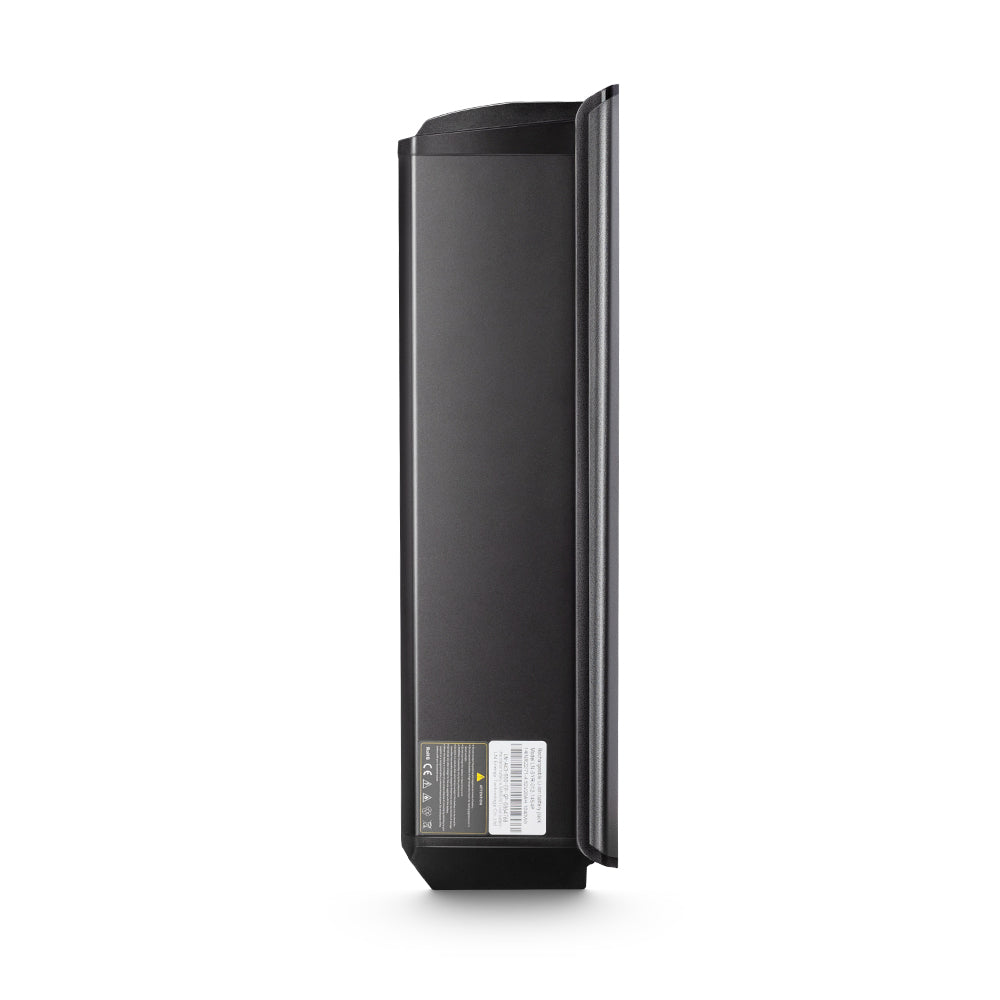
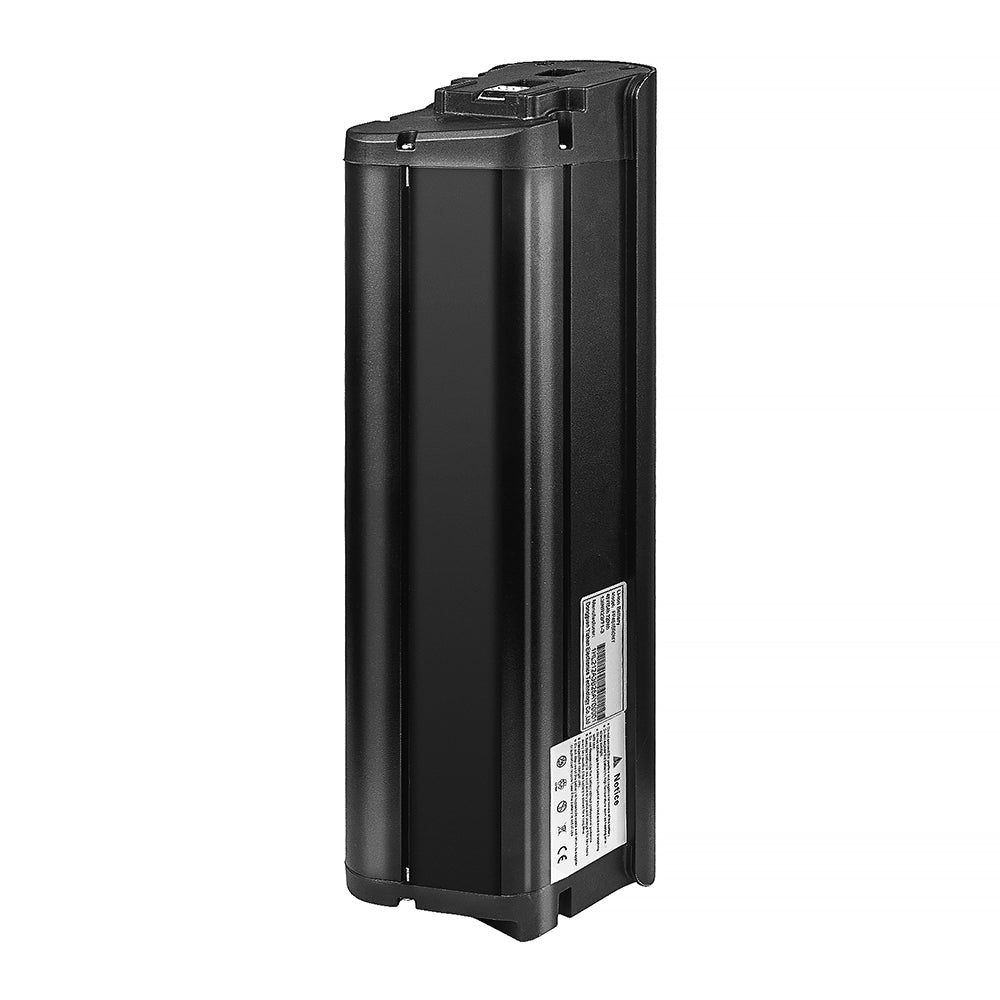
The battery should also be assessed on its condition rather than its age alone. If the main concern is a gradual loss of capacity, our guide to e-bike battery lifespan provides useful background. Consider that alongside any diagnostic findings and the range you actually need.
Compare the Full Cost of Repair and Replacement
The bike’s original purchase price provides some context, but it should not determine the decision on its own. A more useful comparison is between the total cost of the necessary repairs and the cost of a replacement bike that can meet the same needs.
|
What to compare |
What to consider |
|
The quoted repair cost |
Confirmed parts, labour and diagnostic charges |
|
Other necessary work |
Additional faults or wear that need attention soon |
|
A suitable replacement |
A bike that suits the same purpose, rather than simply the cheapest available |
|
Time without the bike |
Parts availability, repair time and alternative transport |
|
Suitability after repair |
Whether the bike will still suit your routes, carrying needs and storage space |
If a repair will restore a useful commuter bike with no other significant problems, keeping it may make good sense. You already know how it rides, and you may be able to keep using the accessories fitted to it.
When several repairs are needed, look at their combined cost. Considering each quote separately can make the overall investment easy to underestimate.
Time matters, too. A few weeks without a bike may be manageable for an occasional rider but disruptive for someone who relies on it every day. A long wait does not automatically justify replacement, though. It depends on whether you can make workable travel arrangements in the meantime.
There is no universal rule that an e-bike should be replaced once repairs exceed half its original price. For a broader view of ongoing expenses, see our guide to electric bike ownership costs. For the repair decision itself, start with the work that has actually been identified.
Confirm Parts Availability and What the Repair Covers
An affordable part is only useful if it is compatible with your particular model and version. Batteries, displays and controllers require particular care: appearance, matching connectors or similar specifications alone do not establish compatibility.
Ask which parts the repairer intends to use, who will confirm compatibility, when they are expected to arrive and which functions will be tested afterwards.
If a key component is unavailable, find out whether it is temporarily out of stock or whether a suitable replacement can no longer be sourced. Those situations have different implications for keeping the bike in service.
It is also worth asking what warranty or other cover applies to the replacement parts and repair work. Check the repairer’s terms for the details. If the original bike may still be covered by a warranty, contact the retailer or manufacturer before agreeing to pay for repairs yourself.
Clarifying these points helps avoid paying for a part that does not fit, or completing a repair that leaves the original fault unresolved.
When Does Repair Make Sense, and When Should You Consider Replacement?
Repair is worth considering when the fault is clear, the scope of the work is manageable, the rest of the bike is in good condition and compatible parts and suitable repair support are available. If the repaired bike will still meet your needs, age or an expired warranty alone is not a reason to replace it.
Replacement deserves closer consideration when:
- Several necessary repairs add up to a substantial cost.
- Essential parts are difficult to source, or compatibility cannot be confirmed.
- Structural safety problems cannot be satisfactorily resolved.
- The bike would still be unsuitable for your needs after the repairs.
That last point is easy to overlook. A bike bought for occasional weekend rides may no longer suit a daily commute with frequent stops. Repairing a fault will not change a frame that you find awkward to mount or dismount. If you have decided to replace your bike and want a step-through model for urban riding, the VITILAN L5 is one option to consider. Check its dimensions, weight and specification against your own requirements.
If you are still comparing models, browse the step-through electric bike collection to see which design best suits your everyday use. A replacement should address a clear need, whether that is easier access, a better fit or a different riding purpose.
Frequently Asked Questions
Is a second-hand e-bike worth repairing?
It can be. Buying second-hand does not automatically make a bike less suitable for repair. However, if its history is incomplete, confirm the model, version and whether any major components have been changed. Have its overall condition and parts compatibility checked, then assess the repair quote rather than relying solely on what you paid for it.
I have already spent a lot on repairs. Should I keep repairing it?
Previous spending can help you understand the bike’s repair history, but it is not a reason to keep spending. Focus on what further work will cost, what it will resolve and whether the bike will reliably meet your needs afterwards. If the same fault keeps returning, get the underlying cause confirmed before paying for more replacement parts.
Can I spread repairs over time?
Some non-essential work can wait, but ask the repairer to explain which jobs can safely be postponed. Problems affecting braking, wheel attachment or structural safety need to be resolved before you continue riding. Also check whether the jobs overlap: splitting them into separate visits could mean paying for the same dismantling work twice.
What should I do with the old battery and bike if I replace them?
Contact your local waste authority, the manufacturer or a collection point that accepts e-bike batteries. Take the battery to an appropriate separate collection service; do not put it in household rubbish or assume that every small-battery collection box accepts it. If it is damaged, swollen or leaking, tell the receiving service beforehand and follow its handling instructions. If you sell or pass on the old bike or its parts, clearly disclose any known faults.


