










How Much Does an Electric Bike Cost to Own? A Practical Guide for European Riders
by wangziru on Sep 24, 2026

When buying an electric bike, the price tag is only part of the picture. If you plan to commute regularly or keep your bike for several years, you will also need to consider charging, maintenance and replacement parts.
Tyres and brake pads wear down, chains need attention, and batteries gradually lose capacity. How much you spend depends on your mileage, riding conditions, bike specifications and local repair prices.
This guide breaks down the main expenses and uses practical examples to help you estimate the cost of owning an electric bike over one or three years.
What Are the Main Costs of Owning an Electric Bike?
Beyond the initial purchase price, ownership costs fall into several categories:
- Charging: Electricity used to recharge the battery.
- Routine maintenance: Brake checks, gear adjustments and drivetrain servicing.
- Replacement parts: Tyres, brake pads, chains and other components that wear out.
- Battery and repairs: Potential battery replacement or electrical and mechanical repairs.
-
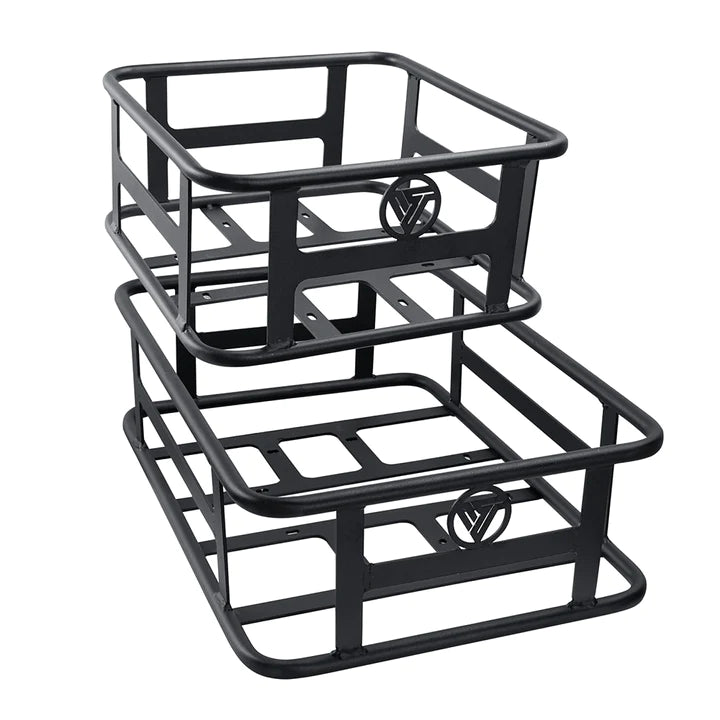
Additional expenses: Accessories, insurance or secure parking, depending on your needs and local requirements.
Not every expense occurs annually. A new bike may need little more than basic maintenance, while an older one could require new tyres or more substantial repairs. Separating regular running costs from occasional expenses will give you a clearer picture of your budget.
How Much Does It Cost to Charge an Electric Bike?
Charging costs depend on battery capacity, electricity prices and charging efficiency.
How to Calculate Charging Costs
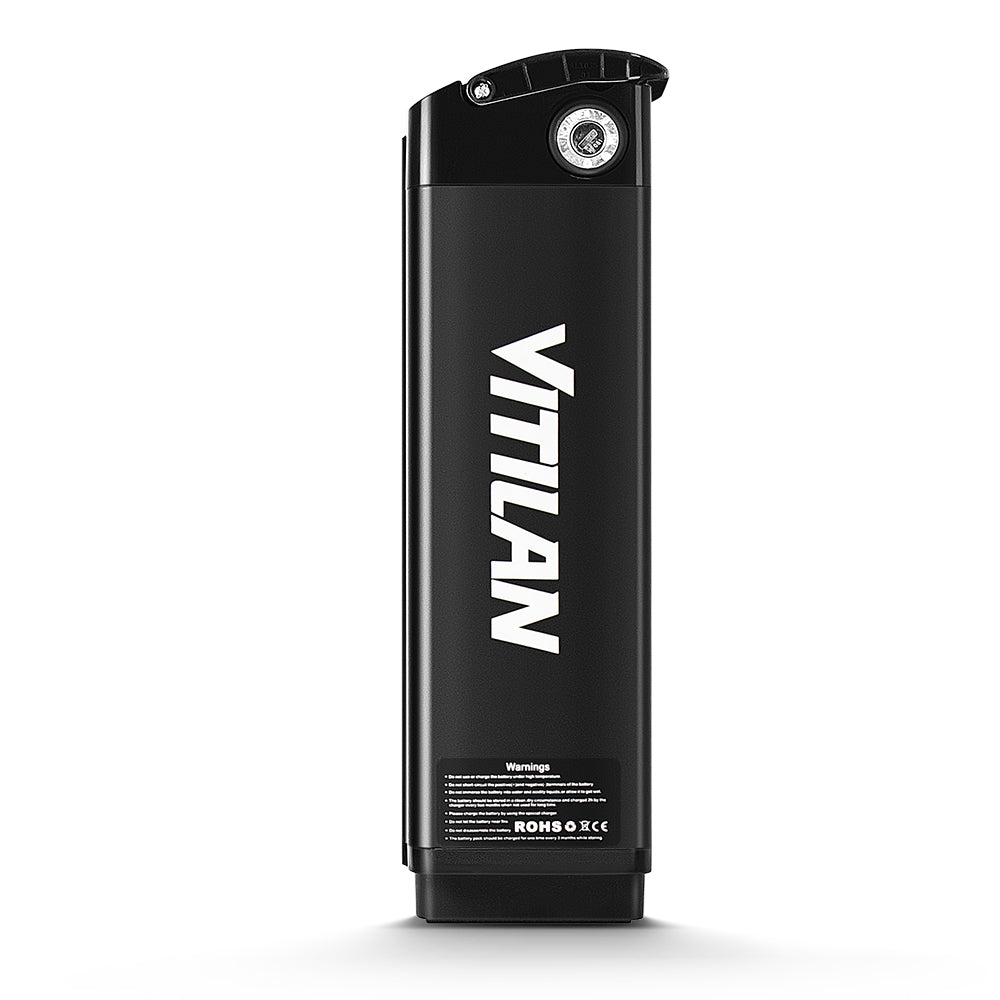
Electric bike batteries are typically labelled with a voltage (V) and an ampere-hour rating (Ah). Multiplying these figures gives the nominal energy capacity in watt-hours (Wh).
For example, a 48V 20Ah battery has a capacity of:
48 × 20 = 960Wh = 0.96kWh
Because some energy is lost during charging, the amount drawn from the mains is generally higher than the energy stored in the battery.
Assuming an overall charging efficiency of 85% and an electricity rate of €0.30 per kWh, replenishing approximately 0.96kWh of battery energy would cost:
0.96 ÷ 0.85 × €0.30 ≈ €0.34
This is an illustrative calculation. Actual costs will depend on your electricity tariff, charging efficiency and the amount of energy you need to replace.
How Much Does Charging Cost Per Year?
Annual charging costs are easier to estimate when you know how far you ride.
Suppose an electric bike consumes 15Wh of battery energy per kilometre under a particular set of riding conditions. Using the same assumed electricity rate and charging efficiency, the estimated annual costs would be:
|
Annual distance |
Battery energy consumed |
Annual charging cost |
|
1,500 km |
22.5 kWh |
Approx. €8 |
|
2,500 km |
37.5 kWh |
Approx. €13 |
|
4,000 km |
60 kWh |
Approx. €21 |
|
6,000 km |
90 kWh |
Approx. €32 |
These figures illustrate the calculation rather than representing average consumption across all electric bikes.
Hills, heavier loads, higher assistance settings and cold weather can increase energy use. For a more accurate estimate, record your electricity consumption over several charging cycles and compare it with the distance travelled.
How Much Does Electric Bike Maintenance Cost?
Maintenance costs vary considerably between riders. Someone commuting on smooth roads may experience less component wear than a rider who regularly encounters gravel tracks, mud or steep hills.
Tyres and Brakes
Tyres need regular inspection, as tread wear, sidewall damage and unsuitable inflation pressure can affect their condition.
For bikes fitted with 20×4-inch fat tyres, check the correct dimensions, rim compatibility and local availability before purchasing replacements. Tyre width alone does not determine lifespan or replacement cost.
Our guide to replacing e-bike tyres explains the signs of wear and damage that indicate when further inspection or replacement may be necessary.
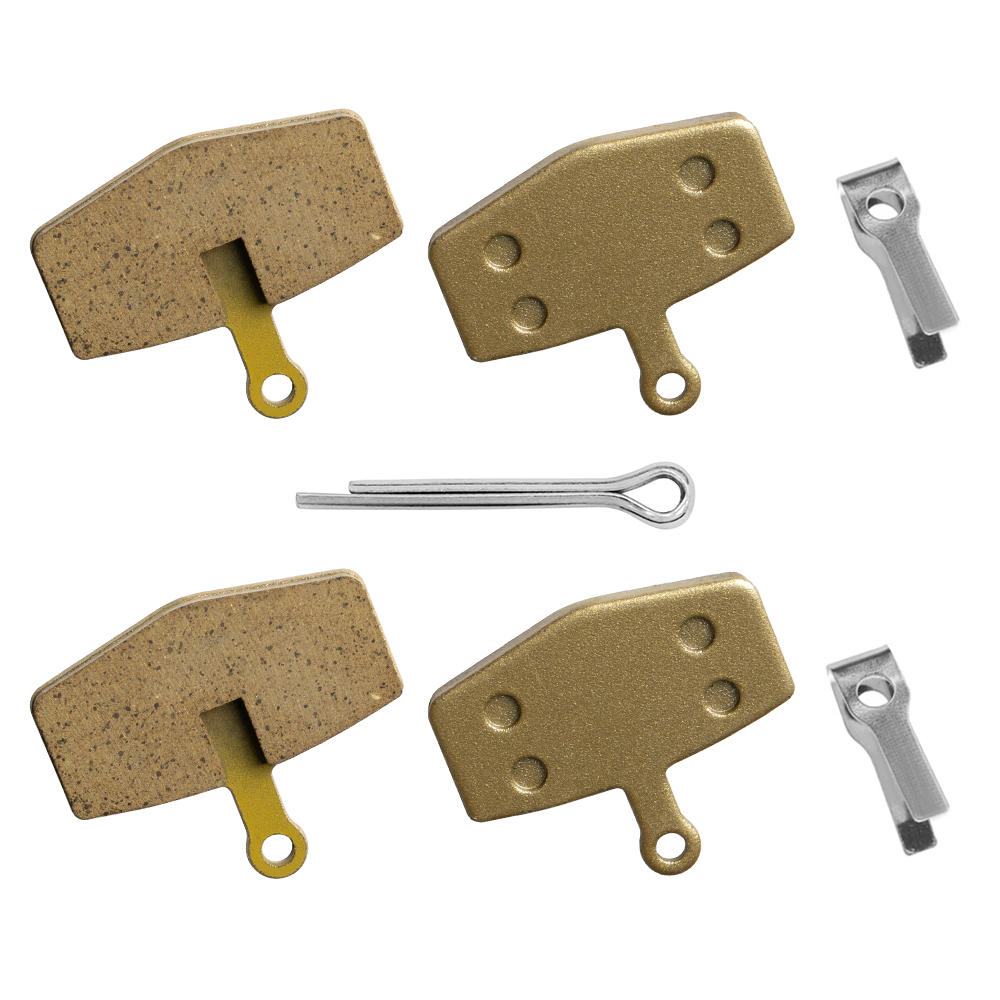
Brake pads also wear down with use, particularly during frequent stopping or long descents. Check braking performance regularly and replace worn components when needed.
For hydraulic disc brakes, repairs involving the hydraulic system should be carried out by a suitably qualified professional.
Drivetrain and Professional Servicing
Chains, cassettes and gear systems require regular cleaning, lubrication and inspection. Wet or muddy conditions may increase maintenance needs.
Professional servicing can include brake adjustments, wheel inspections and checks of the drivetrain, suspension or electrical system.
Workshop prices vary across Europe, and not every service package includes the same work. Before setting your annual budget, ask a local workshop about its servicing rates, replacement-part prices and whether it can work on your particular model.
How Much Does Battery Replacement Add to Ownership Costs?
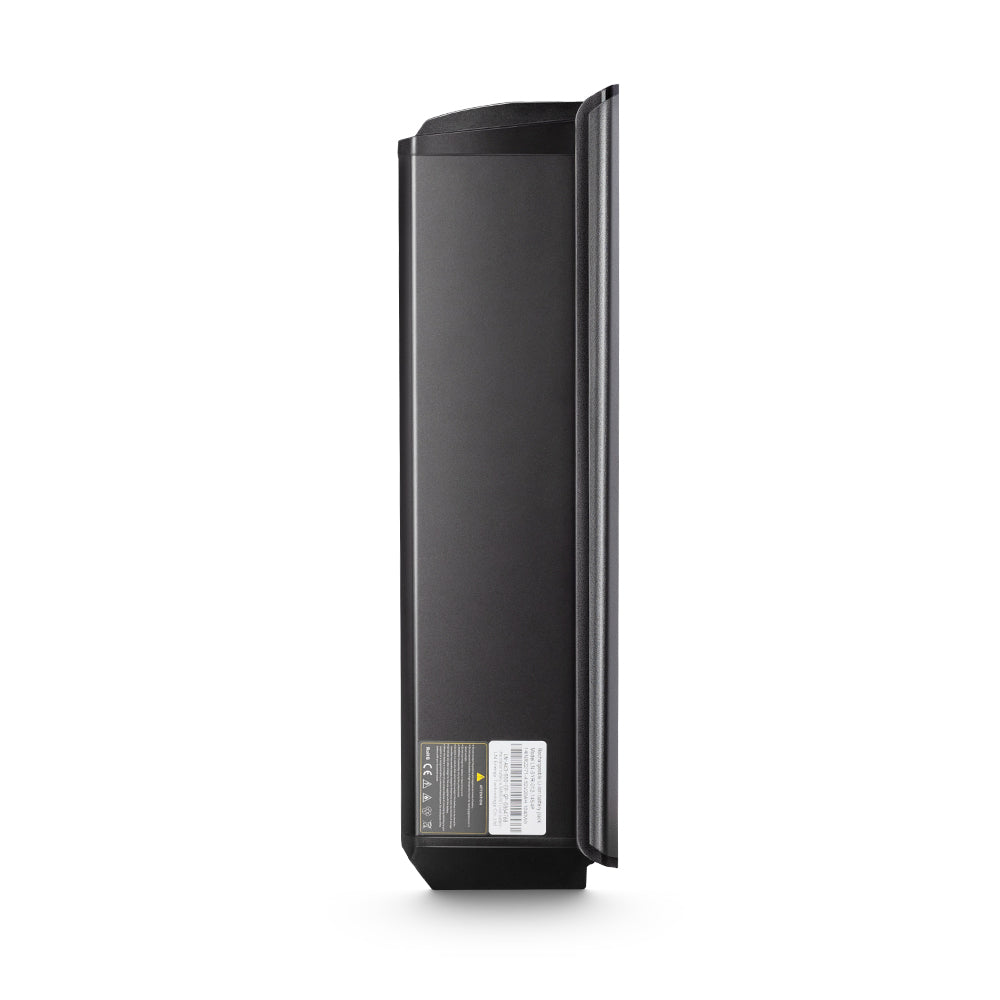
An electric bike battery does not need replacing on a fixed annual schedule. Its lifespan depends on cell design, charge cycles, temperature, storage conditions and everyday use.
As a battery ages, its usable capacity may decline, reducing the distance you can travel on a charge.
However, shorter range does not necessarily mean the battery needs replacing. Cold weather, underinflated tyres or changes to your usual route can produce similar effects.
For more information, read our guide, How Long Does an E-Bike Battery Last?.
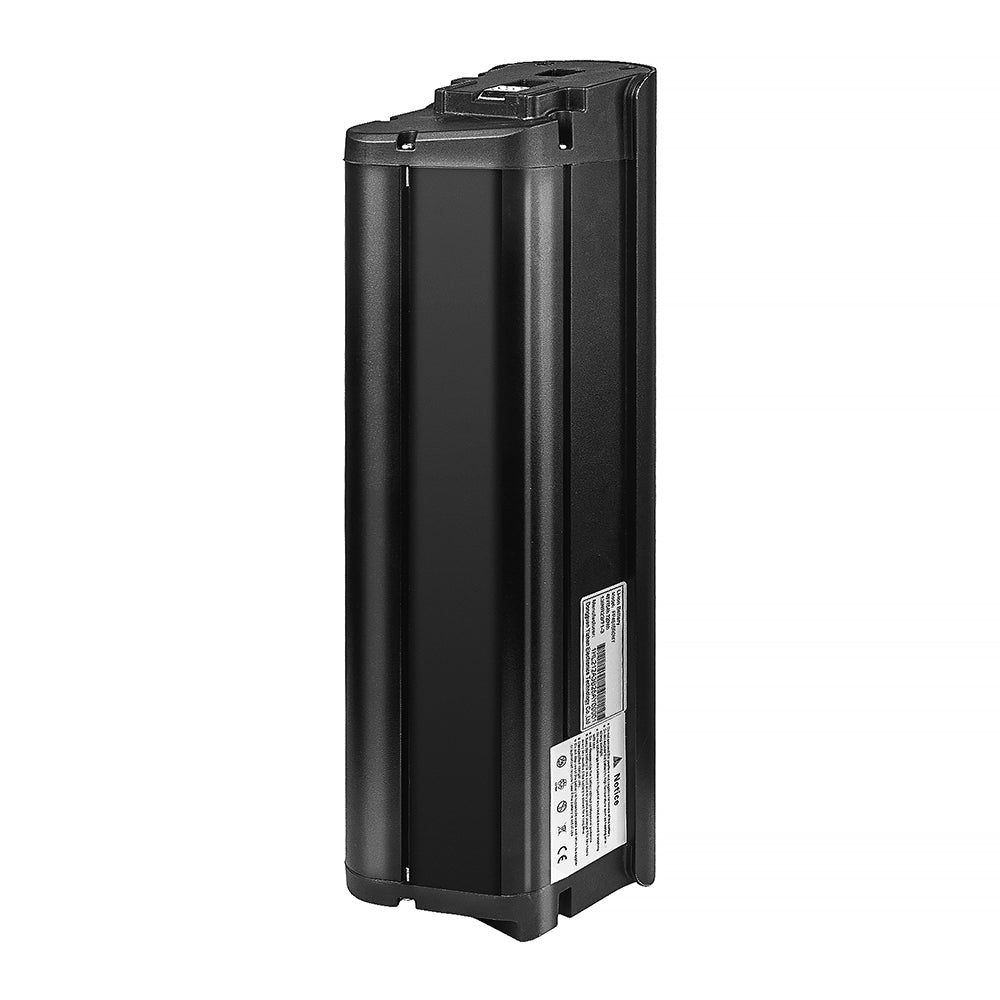
If you intend to keep your bike for several years, check whether a compatible replacement battery is available and how much it costs.
Voltage and capacity alone do not establish compatibility. Battery connectors, management systems, charging requirements and mounting arrangements must also match the bike.
Battery replacement should be treated as a potential long-term expense rather than an automatic annual cost.
How Much Does an Electric Bike Cost to Own Over Three Years?
To understand the total cost of ownership, consider both the initial purchase price and the expenses that follow.
The VITILAN V7 Foldable Electric Bike provides a useful example. It features a 48V 20Ah battery, 20×4-inch fat tyres, full suspension and hydraulic disc brakes.
Suppose two riders purchase this model at an illustrative price of €1,199. One rides 1,500 kilometres annually for leisure, while the other covers 4,000 kilometres commuting.
Using the charging assumptions established earlier, we can calculate their estimated running costs.
The servicing and replacement-parts allowances below are hypothetical budgeting figures, not actual VITILAN maintenance prices or European market averages.
|
Cost category |
Leisure rider |
Regular commuter |
|
Annual distance |
1,500 km |
4,000 km |
|
Assumed purchase price |
€1,199 |
€1,199 |
|
Annual charging cost |
€8 |
€21 |
|
Annual servicing allowance |
€80 |
€120 |
|
Annual replacement-parts allowance |
€40 |
€90 |
|
Total annual running-cost budget |
€128 |
€231 |
|
First-year budget, including purchase |
€1,327 |
€1,430 |
|
Three-year budget, including purchase |
€1,583 |
€1,892 |
These figures illustrate a budgeting method. They assume consistent annual running-cost allowances and exclude battery replacement, major repairs and additional expenses. The purchase price is an example, not a verified current selling price.
The difference between the two riders reflects their assumed mileage and maintenance budgets. Actual costs may be lower in years when fewer parts need replacing, or higher if unexpected repairs are required.
How to Calculate Your Own Ownership Costs
The basic formula is:
Three-year ownership cost = Purchase price + Three years of charging costs + Maintenance and replacement parts + Other expenses incurred.
Include accessories, insurance or parking costs where relevant. If you are planning to keep your bike beyond three years, you may also wish to set aside money for potential battery replacement.
Depending on the bike's legal classification and local requirements, registration or insurance may add to the overall cost. Check which rules apply to your particular model and location before purchasing.
How Can You Keep Your Electric Bike Running Costs Down?
Choosing a bike that suits your routine is a good starting point.
If you mainly commute on smooth roads and need to carry your bike into a flat, weight and storage requirements may matter more than having the largest possible battery. Riders who frequently encounter rougher surfaces should also consider tyre choice, suspension and maintenance needs.
When choosing an Electric Bike, compare models according to your usual journey length, riding conditions and access to replacement parts.
A few maintenance habits can also help limit unnecessary expenses:
- Keep tyres inflated within the manufacturer's recommended pressure range.
- Clean and lubricate the drivetrain as needed, particularly after wet or muddy rides.
- Inspect tyres and brakes regularly, replacing worn or damaged components promptly.
- Use a compatible charger and follow the manufacturer's battery storage instructions.
Routine maintenance cannot prevent every repair, but it can help reduce avoidable wear and keep the bike safe to ride.
Frequently Asked Questions
How Much Should I Budget for an Electric Bike Each Year?
Your annual budget should cover charging, routine servicing and replacement parts. Calculate electricity costs from your expected mileage, then check local workshop prices for maintenance. Keep potential battery replacement or major repairs in a separate reserve rather than assuming they will occur every year.
How Much Does It Cost to Replace an Electric Bike Battery?
The price depends on the model, battery specifications, availability and installation requirements. Check the cost of a compatible original or manufacturer-approved replacement battery, including any fitting charges, before making your purchase.
Does a Fat Tyre Electric Bike Cost More to Maintain?
Not necessarily. Replacement tyre prices and availability may differ from those of narrow-tyre bikes, but tyre width alone does not determine overall maintenance costs. Riding conditions, component specifications and maintenance habits are also important.
Is an Electric Bike More Expensive to Maintain Than a Regular Bicycle?
Both require maintenance of tyres, brakes and drivetrain components. Electric bikes also have batteries, motors and electrical systems that may need additional inspection or repair. Actual costs depend on the bikes being compared, how they are used and the work required.


