











Integrated vs External E-Bike Batteries: Charging, Removal and Replacement Costs Compared
by wangziru on Nov 16, 2026

Your bike is parked downstairs, but the nearest socket is upstairs. At that point, being able to remove the battery easily matters far more than how neatly it disappears into the frame. When choosing an e-bike, battery position is worth comparing, but three questions deserve priority: can you remove it for everyday charging, how straightforward is the process, and will a compatible replacement be available later? Those answers tell you more about ownership than appearance alone.
Battery Position and Removability Are Different Things
Integrated and external describe where a battery sits. Removable and fixed describe how it can be accessed for charging and maintenance. These are separate characteristics.
An integrated battery is not necessarily fixed, and an external battery is not necessarily interchangeable.
Integrated batteries usually sit inside the down tube or another part of the frame. Some unlock and slide out after opening a cover; others require tools or workshop assistance. Two bikes with equally clean frame designs can offer very different charging routines.
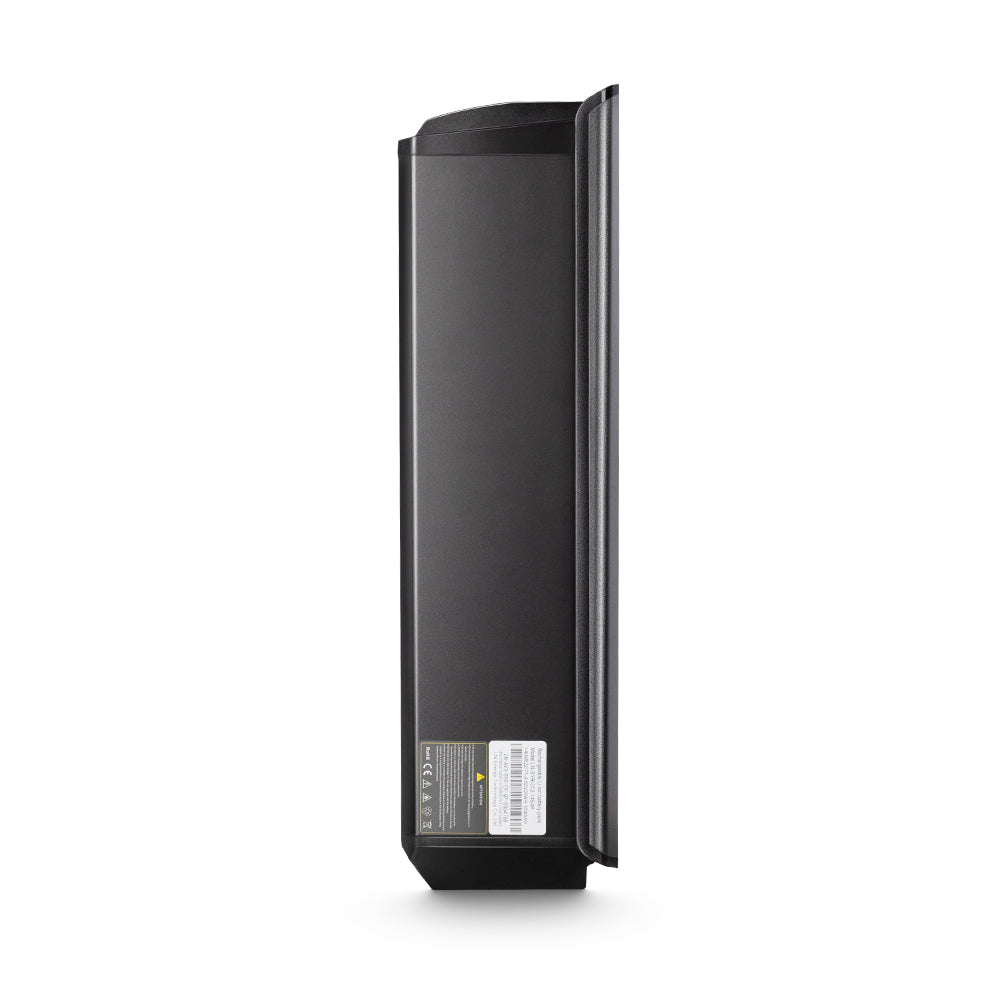
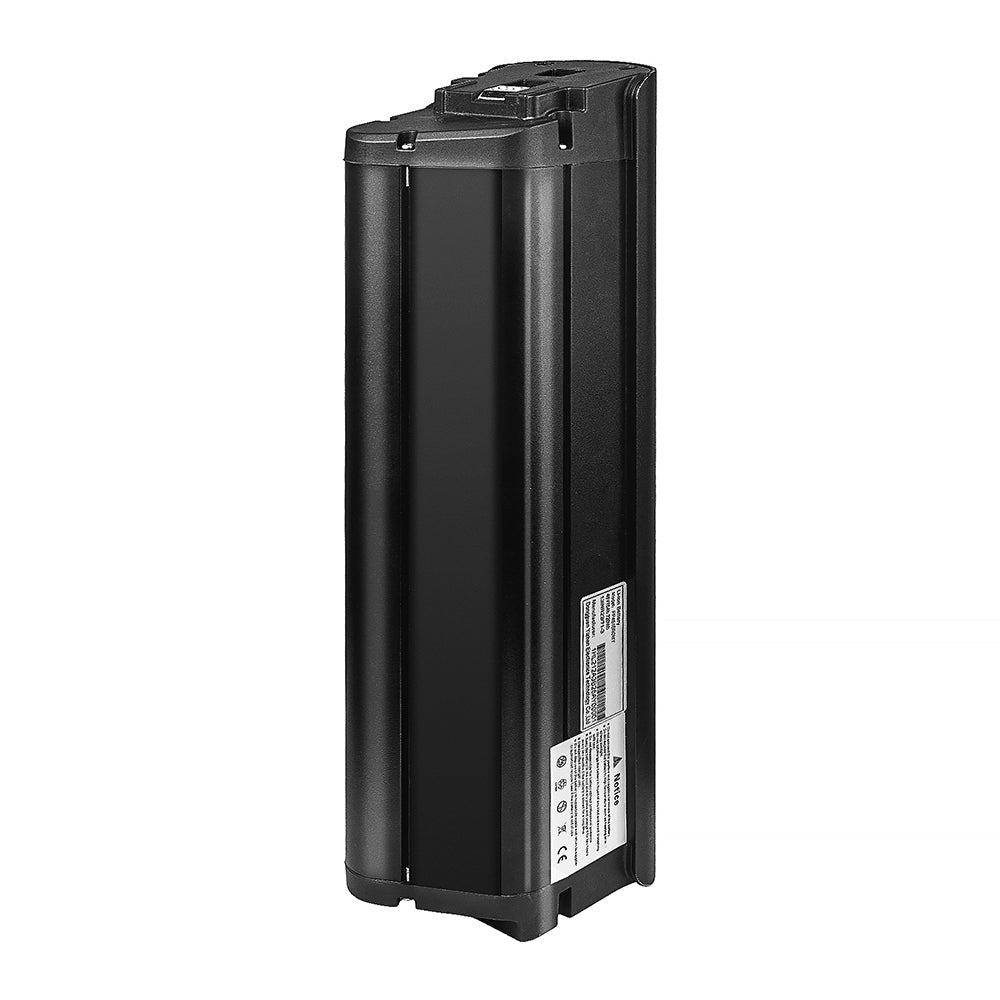
External batteries sit outside the frame tubes, commonly on the down tube, behind the seat tube or on a rear rack. Many are designed for straightforward removal, but they still have specific mounting rails, locks, connectors and electrical requirements.
|
What to compare |
Integrated battery |
External battery |
|
Position |
Inside or recessed into the frame |
Mounted outside the frame tubes or on a rear rack |
|
Appearance |
Usually creates a cleaner frame profile |
Battery remains more visible |
|
Everyday removal |
Depends on the cover, lock, removal direction and bike design |
Often easier to access, but clearance still matters |
|
Charging |
Removable versions may allow charging off the bike; fixed versions generally require charging on the bike |
Removable versions usually make charging off the bike straightforward |
|
Replacement |
May be a simple removal or require professional fitting |
Easy access does not guarantee compatibility with replacement batteries |
|
Cost |
Position alone does not determine the price |
External mounting does not automatically mean a cheaper replacement |
When reading a product page, look beyond the words “integrated battery” or “removable battery”. A removal demonstration and clear charging instructions are more useful than either label on its own.
Charging Convenience Starts with the Nearest Socket
No power where you park? Prioritise everyday removal
If your bike stays in a communal storage room, an outdoor shelter or a garage without power, a removable battery has an immediate advantage. You can leave the bike where it belongs and take the battery to a suitable place where charging is permitted.
An integrated battery can offer exactly this convenience if it comes out easily. The problem is discovering after purchase that removal involves dismantling other parts of the bike and was never intended to be part of a daily routine.
Use the original charger or a compatible charger approved by the manufacturer, follow the charging instructions and check any rules that apply in your building or accommodation.
A suitable socket in the garage can make on-bike charging simple
If you can park beside a suitable power supply, charging the battery on the bike may already be convenient. Removability can then carry less weight in your buying decision.
Check how easy the charging port is to reach. A low socket, an awkward cover or a connection hidden behind luggage can turn a simple task into a daily irritation. The cable should also be positioned where people are unlikely to catch it as they walk past.
Think through the whole routine: parking, connecting the charger, routing the cable, disconnecting and putting everything away. That gives you a better picture than asking whether the bike supports on-bike charging.
Winter makes easy removal more valuable
A bike may be stored in a cold garage while its battery needs different storage and charging conditions. A removable design makes those arrangements easier.
After bringing a cold battery indoors, allow it to reach the manufacturer’s permitted charging temperature and make sure it is dry before charging. Moving it inside does not mean it is immediately ready to plug in.
Judge Removal by the Whole Process
External batteries are often easy to see and reach, but a saddle, rack or frame member can restrict the direction in which they slide out. An integrated battery may be just as straightforward once its cover is open.
The useful comparison is the complete removal and refitting process.
Check clearance, support and grip
A battery that slides upwards needs enough space above it. One that comes out sideways or downwards needs a secure grip and support as it is released. Some integrated designs also use a secondary retaining mechanism.
During a demonstration, check whether you can comfortably:
- Steady the bike and support the battery while unlocking it.
- Remove the battery without the saddle, accessories or surrounding space getting in the way.
- Hold it securely using the available grip or handle.
- Refit it and clearly confirm that it is locked in place.
If you will remove the battery every day, choose it as carefully as any other task you will repeat every day.
Removable does not always mean easy to carry
Capacity, casing and construction all affect battery weight. If you will carry it upstairs regularly, check the battery’s own weight rather than relying on the bike’s overall weight.
Removing it can make the bike lighter to lift, but you still have to carry and store the battery separately. For stairs, narrow doorways or car loading, try handling both before deciding how much difference removal makes.
When refitting, keep the contact area clean and dry, avoid trapping cables or seals, and follow the instructions for securing the battery. Movement, unusual noises or a lock that does not engage properly need attention rather than makeshift padding or straps.
Handling and Protection: Look at the Complete Design
Battery position alone does not determine handling
Battery height, weight and position all contribute to weight distribution. An external battery mounted on the down tube can still sit close to the centre of the bike. A rear-rack battery occupies a noticeably different position.
Claims that integrated batteries always produce a lower centre of gravity, or that external batteries always make a bike unstable, oversimplify the comparison. Frame geometry, wheel size, overall weight and luggage also influence how a bike feels.
On a test ride, pay attention to slow turns, stopping, pushing the bike and handling it with your usual luggage fitted. Those movements reveal whether the complete design works for you.
A frame enclosure is not a waterproof or theft-proof guarantee
An integrated design can shield the battery and create a cleaner appearance. External batteries have their own casings, mounts and locks. Actual protection depends on the specific design and the manufacturer’s instructions.
A battery lock is also only one part of theft prevention. Secure the bike properly, and consider the parking conditions when deciding whether to leave the battery attached.
Neither design should be assumed suitable for immersion or pressure washing simply because the casing looks enclosed. Follow the bike’s cleaning and care instructions.
Replacement Costs: Compare the Complete Quote
Replacement costs cannot be reduced to “integrated is expensive, external is cheap”. Capacity, system compatibility, casing, locks, parts availability and fitting work can all affect the final bill.
Find out what the price includes
|
Cost item |
What to ask |
|
Battery assembly |
Does the price include the casing, required end caps and mounting accessories? |
|
Mounting hardware |
Can the existing rail, base, lock and cover be reused? |
|
Labour |
Does fitting require other components to be removed or the mount adjusted? |
|
Diagnosis and system work |
Are checks, pairing or other manufacturer-specified procedures required? |
|
Delivery |
Are there additional charges for battery delivery or returning the old unit? |
|
Warranty and recycling |
What cover applies to the replacement, and how will the old battery be handled? |
A cheaper battery may cost more overall if it needs separate covers, mounting parts or substantial fitting work. Equally, a compatible integrated battery that can be replaced according to the manual may not involve complicated workshop labour.
Compare quotes with similar capacity, included parts and service. Otherwise, you are comparing two product prices rather than the cost of two replacement solutions.
Confirm the problem before buying a replacement
Reduced range, poor electrical contact and other electrical faults can require different remedies. An unusual symptom does not automatically mean the whole battery needs replacing.
If capacity has declined after years of use, an assessment can help establish whether replacement would restore the range you need. The aim is to solve a confirmed problem, rather than replace the most expensive component first.
Parts availability matters beyond easy removal

A battery that takes seconds to remove may still be difficult to replace several years later. Before buying the bike, ask for the battery model, the applicable bike version and the ordering route for future replacements.
When browsing VITILAN replacement batteries, confirm the exact model and version rather than choosing by brand, voltage or capacity alone. Bikes sharing a model name may have different batteries across production years or specifications.
“Replaceable” does not mean “compatible with any battery of a similar specification”. Matching dimensions, connectors or voltage are not enough to establish full compatibility.
Which Battery Design Should You Choose?
If you cannot charge the complete bike conveniently, prioritise a battery designed for everyday removal. Then compare grip, clearance and carrying weight. Both integrated and external designs can meet that requirement.
If you have suitable power where you park and prefer a clean frame profile, an integrated design is worth considering. Ask who would carry out a future replacement and which parts would be needed, so maintenance is as clear as charging.
If you frequently remove the battery, carry a spare or want easy access to the mount and casing, accessible external designs deserve attention. Confirm that a spare is approved for the bike and whether it needs any additional fittings.
For long-term ownership, the strongest combination is straightforward daily handling, an identifiable replacement model and a clear supply route. Those qualities matter more than the mounting category.
When comparing electric bikes, ask to see the full battery removal and charging process, then check the corresponding replacement. A few minutes of practical demonstration can tell you more than another photograph of the frame.
Frequently Asked Questions
Do integrated batteries last longer than external batteries?
Battery position alone does not determine lifespan. Battery quality, temperature, charging habits, storage and use all play a part. A frame enclosure does not guarantee ideal operating conditions. Our guide to e-bike battery lifespan explains what affects useful battery life.
Do integrated and external batteries with the same capacity charge at the same speed?
Not necessarily. Charging time also depends on the battery management system, approved charger, starting charge level and temperature. Compare the specific battery-and-charger combination rather than assuming one mounting style charges faster.
If I lose the battery key, do I need a new battery?
Not necessarily. Contact the retailer or manufacturer with the bike model, version and any relevant identification details. Replacement keys or lock repairs may be available, depending on the design. Avoid forcing the lock or damaging the battery casing.
How should I dispose of an old e-bike battery?
Contact a retailer, the manufacturer or a local recycling service that accepts e-bike batteries, and follow its handover requirements. Do not put it in household waste. If the battery is swollen, leaking or visibly damaged, tell the receiving service in advance so it can advise on handling and transport.


