










VITILAN I7 Pro 3.0 vs ENGWE Engine Pro 2.0: A Bigger Battery or a Lighter Bike?
by wangziru on Oct 09, 2026

Within our folding electric bike range, the I7 Pro 3.0 combines 20 × 4-inch fat tyres, front and rear suspension, and a folding frame for everyday riding and storage between trips. But choosing a bike also means seeing what other brands offer. Following our comparison of the U9 and ENGWE L20 3.0 Boost, we’re taking a closer look at the ENGWE Engine Pro 2.0, which also pairs fat tyres with full suspension and a folding frame. The two share several features, but differ in battery capacity, weight and pedal assistance. Here’s what those differences could mean for your daily use.
The Key Differences
The I7 Pro 3.0 and ENGWE Engine Pro 2.0 have plenty in common. What matters is how their specifications fit the way you intend to use them. This comparison draws on officially published specifications and confirmed product information; it is not a riding test conducted under identical conditions.
|
Specification |
VITILAN I7 Pro 3.0 |
ENGWE Engine Pro 2.0 |
|
Battery capacity |
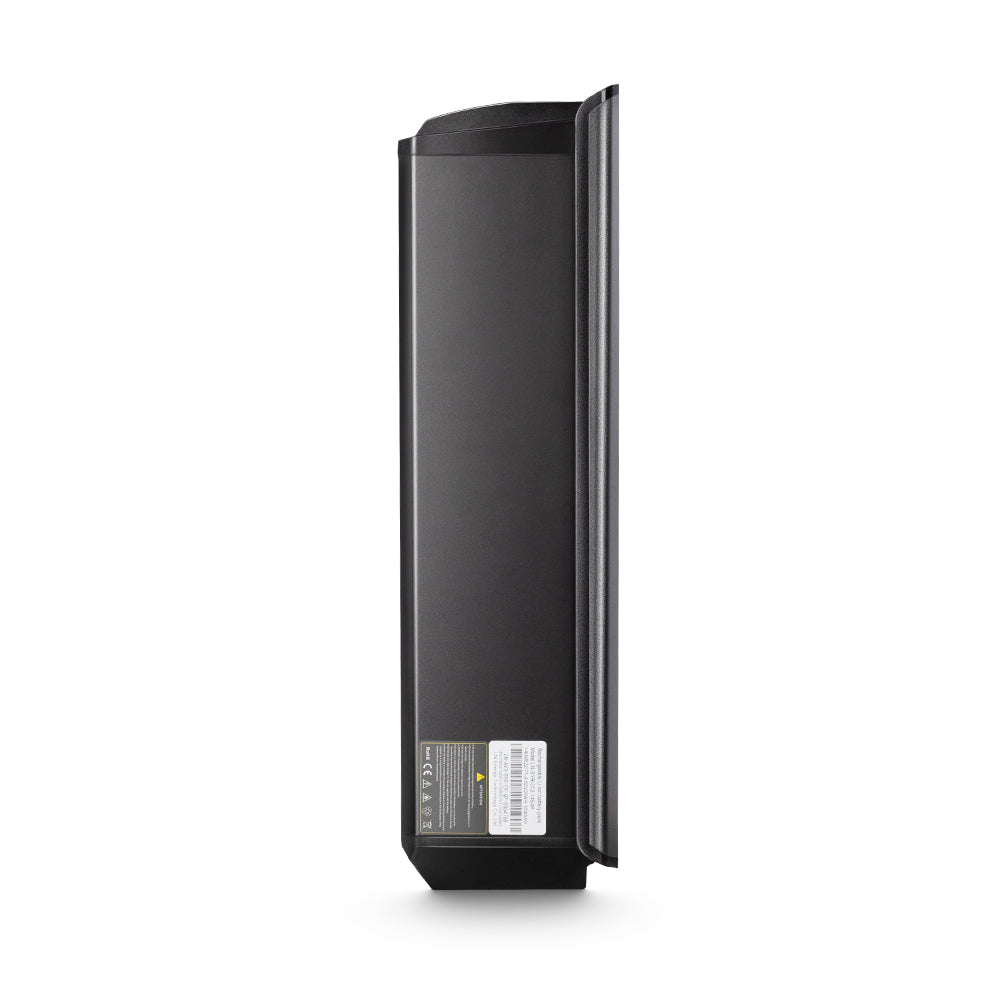
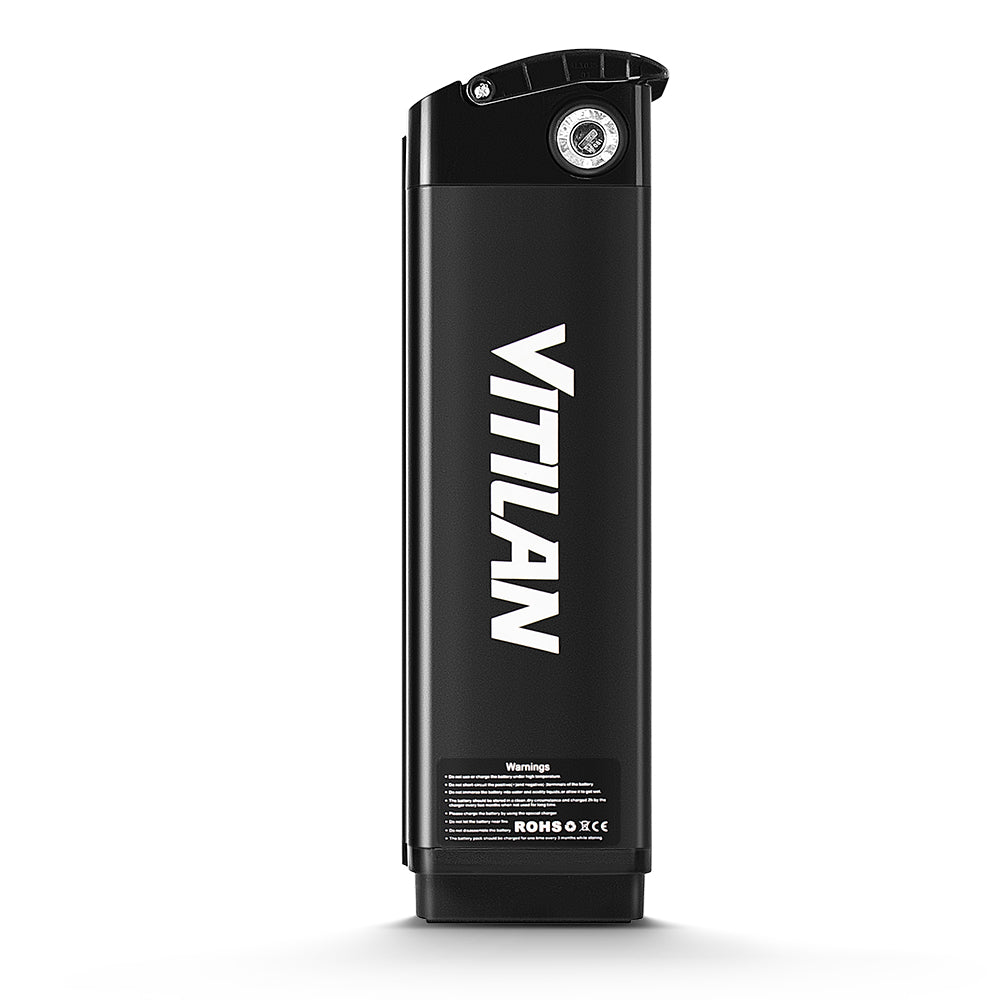
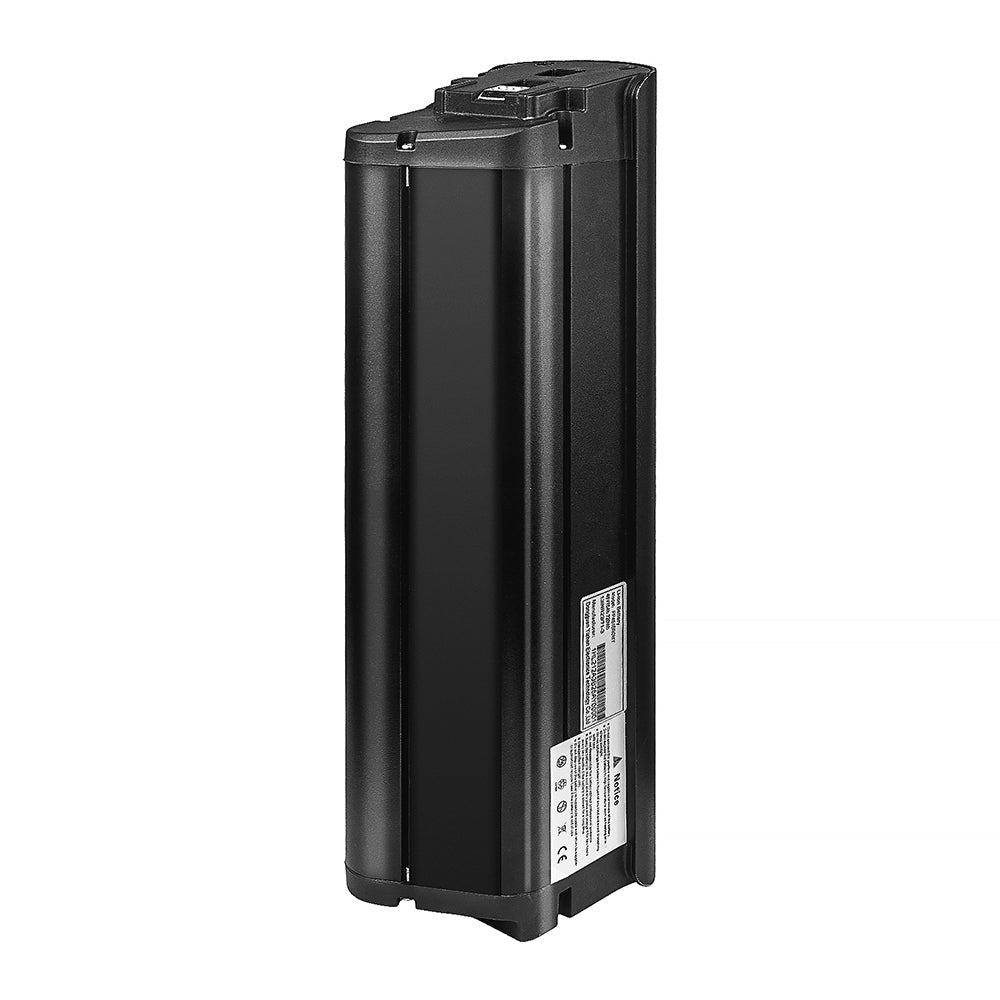
48V 20Ah, approximately 960Wh calculated |
768Wh, 16Ah |
|
Stated bike weight |
78lb, approximately 35.4kg |
31.6kg |
|
Folded dimensions, L × W × H |
98.0 × 55.9 × 80.0cm |
104 × 55 × 84cm |
|
Tyres |
20 × 4 inches |
20 × 4 inches |
|
Suspension |
Front and rear suspension, with an air suspension fork |
Full suspension |
|
Gears |
Shimano 8-speed |
Shimano Altus 8-speed |
|
Pedal-assist sensor |
Cadence sensor, with five assistance levels |
Torque sensor |
|
Brakes |
Hydraulic disc brakes |
Hydraulic disc brakes |
The ENGWE battery figures used here are the 768Wh and 16Ah specifications shown in its official product-page comparison table. Specifications may vary between production batches and market versions, so confirm the configuration supplied before ordering.
On these figures, the I7 Pro 3.0 offers greater nominal battery capacity, while the Engine Pro 2.0 weighs less. That does not establish which will travel further or be easier to carry, but it gives you a useful starting point: do you more often need extra battery capacity, or need to lift the whole bike?
What Does a Bigger Battery Mean for Everyday Riding?
Compare Battery Energy Before Range Claims
Watt-hours, or Wh, are more useful than amp-hours alone when comparing batteries. Amp-hours measure charge capacity; voltage is also needed to calculate nominal energy. Batteries operating at different voltages cannot be compared simply by looking at their Ah ratings.
The I7 Pro 3.0’s 48V 20Ah battery works out at approximately 960Wh. The official ENGWE comparison table used for this article lists 768Wh for the Engine Pro 2.0. On that basis, the I7 Pro 3.0 has around 25% more nominal battery energy.
That is a comparison of battery energy, not a claim of 25% more riding range.
Extra Capacity Can Leave Room for Changes of Plan
Perhaps you follow a fixed commuting route but sometimes stop at the shops on the way home, or extend a weekend ride. In those situations, spare battery capacity may matter more than the longest advertised range. With other conditions being similar, more usable energy can reduce the need to recharge during a journey and give you more flexibility.
If your usual route is short and you can charge at home every day, however, a larger battery may make little difference to daily use. You might rarely use the additional capacity while still having a heavier bike to lift. The weight difference between these models cannot be attributed entirely to their batteries, either: the frame and other components also contribute.
Why Not Simply Compare Maximum Range?
Advertised range needs to be read alongside the test conditions. Assistance level, rider and luggage weight, gradients, tyre pressure, temperature and speed all affect energy use. Two brands may publish similar maximum distances without testing under comparable conditions.
Start with your regular routes, any hills along the way, and the journeys you need to complete between charges. Then allow a sensible margin. Without testing both bikes under the same conditions, battery capacity and advertised range alone cannot establish which will take you further.
When Should Lower Weight Take Priority?
A Difference of Around 3.8kg Matters When You Lift the Bike Regularly
Using the published weights, the Engine Pro 2.0 is approximately 3.8kg lighter than the I7 Pro 3.0. If you regularly load your bike into a car, lift it over a doorstep or carry it upstairs, that difference deserves attention. Before comparing, confirm whether both weights include the battery and equivalent accessories.
At 31.6kg, though, the Engine Pro 2.0 still needs careful consideration if you plan to carry it. Folding reduces the space a bike occupies; it does not reduce its weight. Balance, available handholds and your lifting position also affect how manageable it feels. If you need to carry a bike up several flights of stairs every day, consider whether either model’s weight suits that routine.
Where possible, try lifting the bike in a setting similar to the one you will use. Being able to lift it briefly is different from finding it manageable every day.
Folded Size Affects Storage; Weight Affects Loading
The I7 Pro 3.0’s published folded dimensions convert to approximately 98.0 × 55.9 × 80.0cm, compared with 104 × 55 × 84cm for the Engine Pro 2.0. The I7 Pro 3.0 is shorter and lower on the stated measurements, while the Engine Pro 2.0 is slightly narrower. Neither is smaller in every direction. Measurements also allow for some variation, so a width difference of less than 1cm should not carry too much weight in your decision.
Before loading either bike into a car, measure the boot opening, usable interior space and loading height. A bike may fit inside but be awkward to manoeuvre through the opening. Sufficient space also does not guarantee you can lift it in alone. Allow for protruding handlebars, pedals and other components, and consider how you will secure the bike during transport.
If you are still deciding whether this type of bike suits your storage space, our guide to choosing a folding electric bike explains what to check before comparing the measurements.
If You Rarely Lift the Bike, Weight May Matter Less
If you keep your bike in a garage at ground level and mainly wheel it rather than carry it, lifting weight may be a lower priority. Battery capacity, fit, assistance response and ease of maintenance may have more influence on your daily experience.
If every ride starts with loading the bike into a car, the effort involved could affect how often you use it. Think through the whole routine: taking it out, loading, unloading, riding and putting it away.
Could Pedal Assistance and Suspension Change Your Choice?
Cadence and Torque Sensors Respond Differently
The I7 Pro 3.0 uses a cadence sensor with five pedal-assist levels. A cadence sensor primarily detects pedal rotation, with assistance supplied according to the selected level and controller settings. The five levels are selectable assistance settings, not a rating of the sensor itself.
The Engine Pro 2.0 uses a torque sensor, which adjusts assistance in response to how hard you pedal. This is worth considering if you want lighter pedalling to receive less support and harder pedalling to receive more.
If you prefer selecting an assistance level and maintaining a relaxed pedalling effort, cadence-based assistance may suit your habits. If you want motor support to respond more closely to your pedalling effort, torque-based assistance may appeal more. Actual response still depends on controller tuning, assistance settings and the drivetrain. Sensor type alone does not establish smoother starts or stronger climbing performance.
A test ride is particularly useful if you care about assistance when setting off, making slow turns or changing your pedalling effort.
Both Have Full Suspension, but Setup Still Matters
Both bikes have front and rear suspension, and the I7 Pro 3.0 includes an air suspension fork. Suspension is worth considering for damaged road surfaces and light gravel paths, but the term “full suspension” alone does not tell you which bike will feel more comfortable.
Suspension setup, rider weight, tyre pressure and riding position all affect how much vibration reaches the rider. An air fork also needs appropriate setup and maintenance; its presence alone does not establish better performance.
Both models have Shimano 8-speed gearing and hydraulic disc brakes. Having the same number of gears does not mean identical gear ratios or climbing behaviour. Likewise, hydraulic disc brakes alone do not establish shorter stopping distances. Brake pads, discs, tyre grip and system adjustment all influence braking, so this comparison does not rank their stopping performance without equivalent testing.
Choose According to Your Routine
If you regularly ride longer routes or add extra journeys between charges, the I7 Pro 3.0’s greater nominal battery capacity deserves consideration. Next, check whether its weight, fit and supplied configuration meet your needs. Extra battery capacity is useful only if the bike also works with your storage and handling arrangements.
If you frequently load your bike into a car or lift it over steps and high thresholds, the Engine Pro 2.0’s lower stated weight deserves closer attention. Its torque sensor may also appeal if you want assistance to follow your pedalling effort.
If your journeys are short and you rarely carry the bike, neither battery capacity nor weight may decide the purchase. Fit, assistance response, access to local repairs and the total purchase cost could take priority.
If neither model’s size or weight suits your needs, browse the VITILAN folding electric bike range. Use the same starting points when comparing alternatives: your regular routes, available storage space and how often you need to lift the bike.
Frequently Asked Questions
Can You Wheel the Bike When It Is Folded?
A folding frame does not necessarily mean the bike can be wheeled while folded. Wheel position, how the frame is secured and available handholds all affect this. Check a demonstration of the relevant version or ask the brand before buying.
Will the Bike Fit If You Are Within the Recommended Height Range?
Not necessarily. The recommended height range is a starting point. Standover clearance, minimum saddle height, leg length and handlebar reach also affect mounting and riding position. If you are near either end of the recommended range, check the geometry carefully and try the bike where possible.
Does the Maximum Load Include Only the Rider?
You should generally account for the rider, luggage and accessories, but follow the brand’s definition of maximum load. The bike’s total load limit and the rear rack’s limit are separate figures. You cannot assume the rack can carry the bike’s full permitted load.
What Should You Include When Comparing Overall Cost?
Consider delivery charges, any accessories you need, local repair options, spare-parts availability, warranty coverage and return conditions. Offers and discount codes can change, so compare actual checkout totals for the same delivery country at the same time.
Can You Upgrade with Another Battery or a Higher-Current Charger?
A matching plug does not establish compatibility. Voltage, charging specifications, battery management and the mounting system all need to be compatible. Use batteries and chargers confirmed by the brand as suitable, and avoid basing your purchase on an unconfirmed upgrade option.
If ease of getting on and off the bike is a higher priority, read our VITILAN U9 vs ENGWE L20 3.0 Boost comparison for a closer look at two folding models with step-through frames.


