










Vitilan U9 vs ENGWE L20 3.0 Boost: Which Folding Full-Suspension E-Bike Suits You Better?
by wangziru on Sep 18, 2026

If you are looking for an electric bike that can handle commuting, fold down for storage and still cope with gravel or country routes at the weekend, the Vitilan U9 and ENGWE L20 3.0 Boost are likely to end up on the same shortlist.
The two bikes share a very similar foundation: step-through folding frames, 20×3.0-inch tyres, full suspension, torque sensors, Shimano 7-speed drivetrains and hydraulic disc brakes. The more meaningful differences are found in battery capacity, charging speed, torque, weight, folding details and digital features.
This comparison looks at the current published European specifications of the Vitilan U9 Electric Bike and the ENGWE L20 3.0 Boost.
Key Differences Between the U9 and L20 3.0 Boost
Here is a direct look at the main specifications:
|
Specification |
Vitilan U9 |
ENGWE L20 3.0 Boost |
|
Motor |
48V 500W, 960W peak |
250W hub motor |
|
Maximum Torque |
65Nm |
75Nm |
|
Pedal Sensor |
Torque Sensor |
Torque Sensor |
|
Battery |
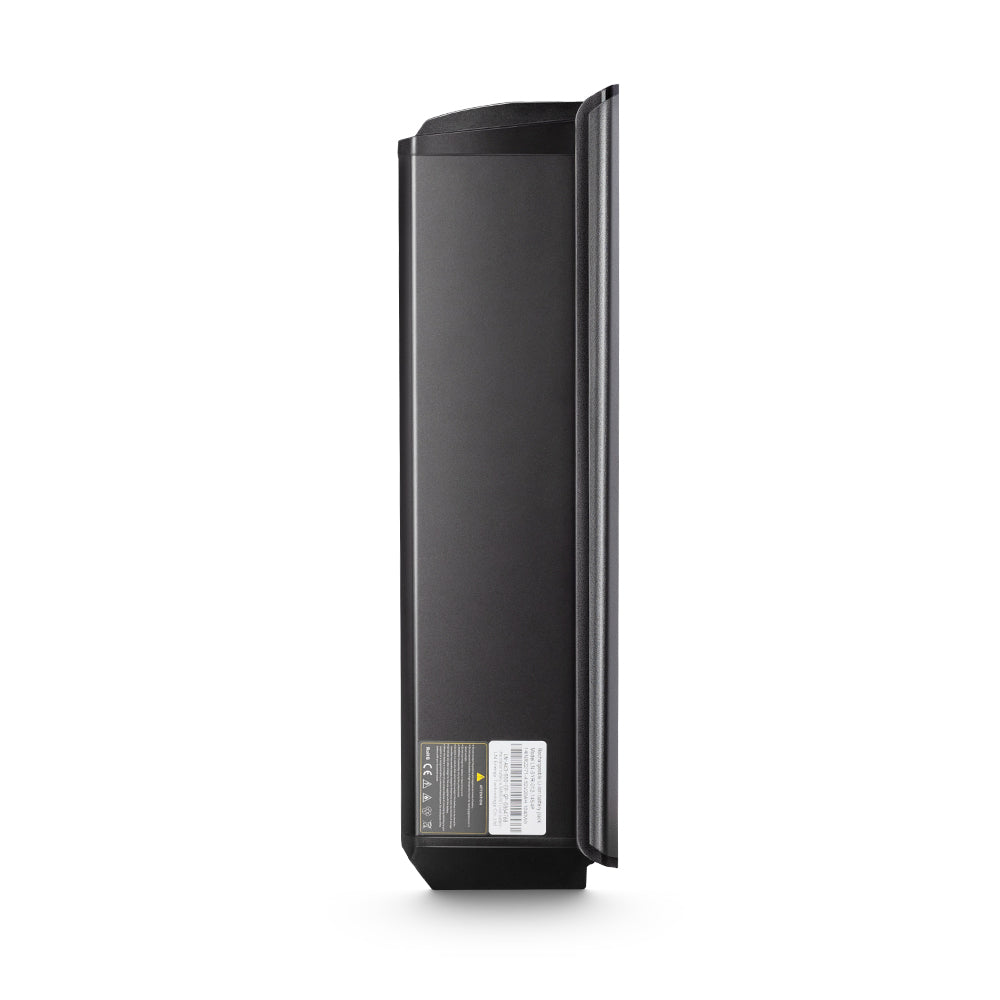
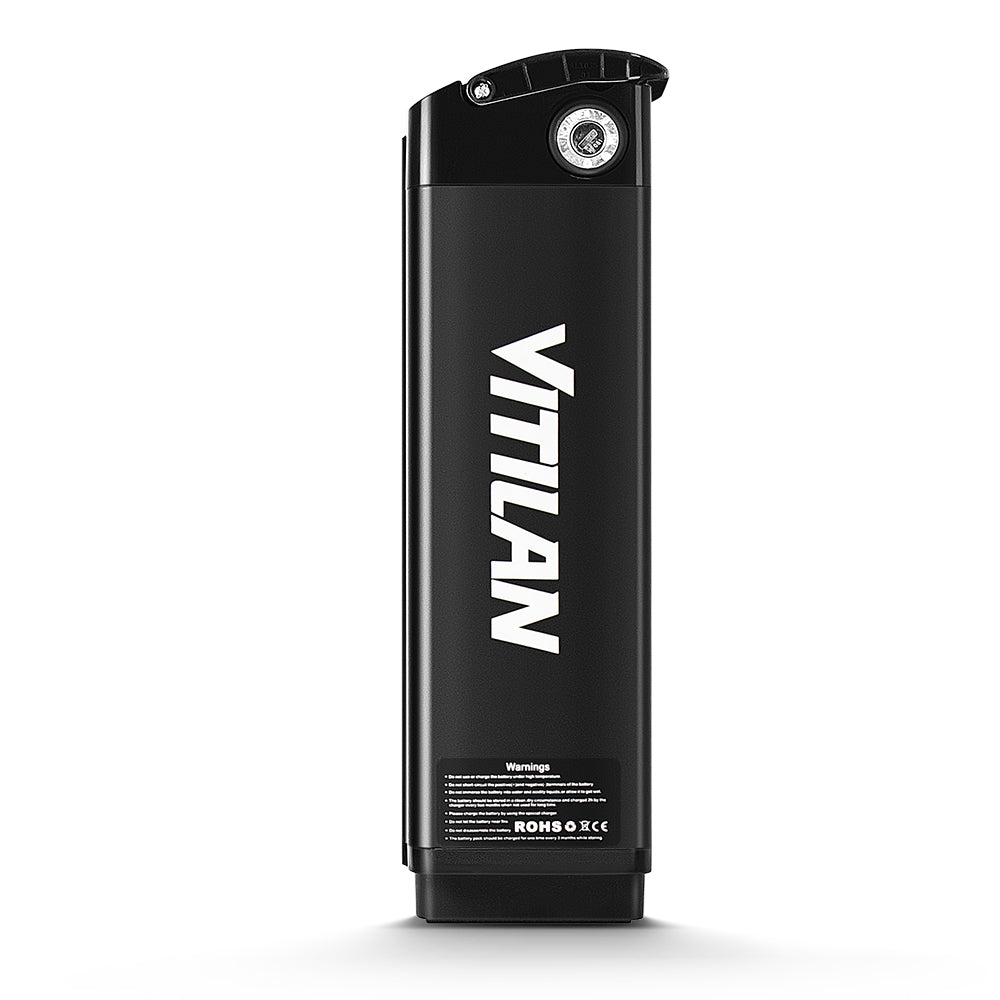
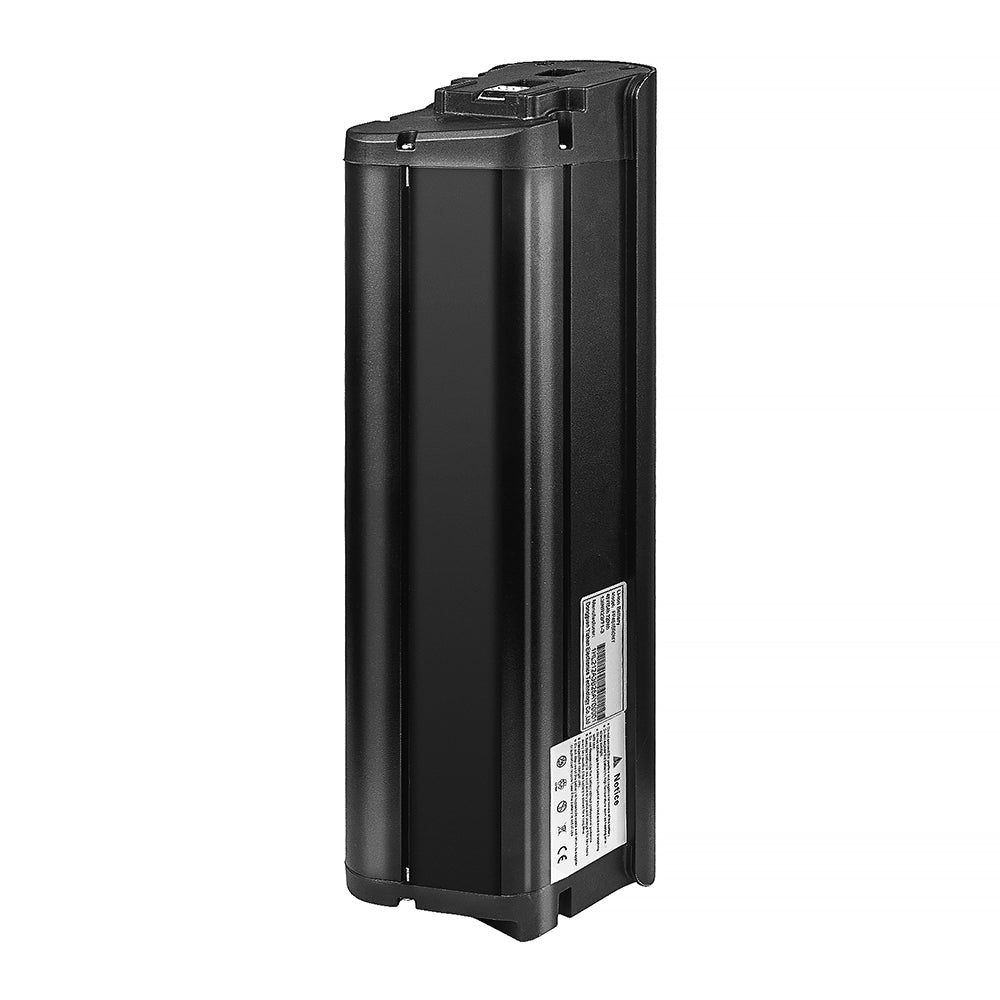
48V 15Ah, 720Wh LG |
48V 13.5Ah, 648Wh |
|
Tyres |
20×3.0" CHAOYANG |
20×3.0" Urban Hybrid |
|
Suspension |
80mm hydraulic front fork + DNM four-link rear air suspension |
Front and rear full suspension |
|
Brakes |
Front and rear 180mm hydraulic discs, 2.3mm rotors |
Front and rear 180mm dual-piston hydraulic discs |
|
Gearing |
Shimano 7-Speed |
Shimano Tourney 7-Speed |
|
Weight |
Approx. 32kg |
33.2kg |
|
Pedals |
Folding |
Non-folding |
|
Digital Features |
LCD display |
Colour display, Bluetooth, App |
|
Charging |
Approx. 6 hours for a full charge |
8A fast charging, around 2 hours claimed |
The two bikes already share many of the same core features, so the real differences are fairly focused:
The U9 offers a larger battery, slightly lower weight and folding pedals, while the L20 3.0 Boost offers more quoted torque, faster charging and stronger connected features.
This is not a side-by-side road test, so range, power and other performance figures should be treated as manufacturer specifications rather than directly comparable real-world test results.
720Wh Battery or 8A Fast Charging: Which Matters More?
The U9 uses a 720Wh battery, while the L20 3.0 Boost uses a 648Wh pack. On paper, that gives the U9 around 72Wh more capacity.
The difference makes more sense when viewed through charging habits rather than simply asking which number is larger.
If you normally charge the bike overnight and ride again the next day, the extra battery capacity may be more useful. It gives a little more margin for longer commutes or weekend rides that end up extending beyond the original plan.
ENGWE takes a different approach.
The L20 3.0 Boost supports 8A fast charging, with an official full-charge time of around two hours. That is more useful for riders who make several longer journeys in one day or only have a short window available for charging.
A simple way to think about it is:
The U9 gives you more energy to start with; the L20 3.0 Boost gives you less waiting when it is time to recharge.
If the bike is normally charged overnight, fast charging may not matter as much as expected.
If you need to top up the battery during the day, ENGWE’s faster charging becomes a much more practical advantage.
Maximum advertised range should also be treated carefully. Rider weight, gradient, temperature, wind, tyre pressure, cargo and assistance level can all affect real-world range.
Does the Difference Between 65Nm and 75Nm Matter?
The L20 3.0 Boost is rated at a maximum of 75Nm, compared with 65Nm for the U9.
For starts, steeper climbs or riding with additional load, the higher figure is worth noting. ENGWE also positions Boost as one of the L20 3.0 Boost’s main features, so its focus on short bursts of stronger assistance is clear.
The U9 uses a 48V 500W rear hub motor with up to 960W peak output, combined with a torque sensor that adjusts assistance according to pedalling effort.
That means the comparison is not simply:
75Nm is good and 65Nm is not enough.
The two bikes place emphasis in slightly different areas.
If your regular routes include frequent hills, or you care about stronger assistance from a standstill, the L20 3.0 Boost’s 75Nm rating is more relevant.
If most of your riding is on city roads, suburban routes and ordinary leisure rides, the U9’s 65Nm combined with a torque sensor may already suit those conditions well, leaving battery capacity, weight and charging habits as more important factors.
Are There Meaningful Differences in Suspension and Tyres?
This is one of the areas where the two bikes are closely matched.
The U9 uses an adjustable 80mm hydraulic front fork, a four-link rear air suspension system and 20×3.0-inch CHAOYANG tyres.
The L20 3.0 Boost also uses front and rear suspension with 20×3.0-inch tyres, while ENGWE places additional emphasis on puncture protection in the tyre construction.
If gravel, country roads, potholes or light forest tracks are already part of the reason you are considering these bikes, both models follow a similar overall approach.
The more important point is that neither is a lightweight urban folding bike.
Both accept additional weight and size in exchange for greater comfort and surface capability.
If most of your riding takes place on smooth cycle paths and full suspension is not important to you, a lighter Folding Electric Bike may make more sense.
There is little reason to force a winner in this category, because the differences are much smaller than those found in battery strategy, charging speed or digital features.
Folding Pedals or App Features: Which Detail Is More Useful?
The U9 weighs around 32kg, while the L20 3.0 Boost is listed at 33.2kg.
Both are over 30kg, so the folding design is mainly about reducing storage and transport space rather than turning either model into an easy bike to carry upstairs.
The more interesting differences appear once the bikes are folded.
The U9 uses folding pedals, which can reduce the width of the bike when it is stored against a wall or placed in a tighter storage area.
The L20 3.0 Boost leans more heavily towards digital features.
It offers a colour display, Bluetooth and App control, which may appeal to riders who prefer to view or manage bike functions through a smartphone.
The U9 takes a more traditional approach, with an onboard LCD for speed, battery and mileage information, together with a front light, rear brake light and left and right indicators.
Neither approach is automatically better.
One focuses more on physical storage details; the other focuses more on connected features.
What Are the Main Strengths and Trade-Offs of Each Bike?
A useful comparison should include the compromises as well as the advantages.
Vitilan U9
Its more noticeable strengths include:
- 720Wh battery capacity
- Slightly lower overall weight
- Folding pedals
- Torque Sensor
- Full suspension
- 20×3.0-inch CHAOYANG tyres
- Front and rear 180mm hydraulic disc brakes
The trade-offs are also fairly clear:
- A full charge takes around 6 hours
- Maximum quoted torque is 65Nm, lower than the ENGWE
- At around 32kg, it is still not a lightweight folding bike
ENGWE L20 3.0 Boost
Its more obvious strengths include:
- 75Nm maximum torque
- Boost function
- 8A fast charging
- Bluetooth and App features
- Torque Sensor
- Full suspension
- 20×3.0-inch tyres
- Front and rear hydraulic disc brakes
Points to consider include:
- 648Wh battery capacity is lower than the U9
- It weighs 33.2kg
- The pedals are not folding
There is little value in simply counting which bike “wins” more categories.
If fast charging is something you would use every day, the ENGWE advantage is very practical. If battery capacity and more compact storage details matter more, the U9 has a different set of strengths.
Which Type of Rider Suits Each Bike Better?
The U9 is more likely to suit riders with relatively long commutes who want extra battery reserve and have limited storage space at home.
It also makes sense for people who ride city or suburban roads during the week but sometimes continue onto gravel, country roads or light forest tracks at the weekend.
The L20 3.0 Boost is more likely to appeal to riders who need quick daytime charging, place more value on the 75Nm Boost function or prefer App-based features.
If you like managing bike information through a smartphone and often need to recharge within a short period, its strengths become more obvious.
There is one situation where neither bike is ideal:
carrying it up several flights of stairs every day.
At 32kg and 33.2kg, both are relatively heavy.
Likewise, neither model should be treated as a direct substitute for a specialised mountain bike if your main use is technical trail riding or extreme downhill riding.
How Do Warranty and After-Sales Support Compare?
Electric bikes may need servicing or replacement parts long after the initial purchase, so warranty coverage is worth considering alongside the specifications.
The current U9 product page lists an 18-month warranty and a 30-day return period. Vitilan’s published warranty process asks customers to contact support and provide relevant photos, videos or other details when reporting an issue.
The current L20 3.0 Boost product page includes complimentary second-year warranty coverage from months 13 to 24. ENGWE also highlights a broader local repair network across Europe, the UK and the US.
Warranty length alone does not tell the whole story.
Before buying, it is also worth checking:
- How long the battery, motor and controller are covered
- Whether wear items are excluded
- Whether modifications can affect warranty coverage
- Whether local bike shops are willing to work on the brand
- How easy it is to source replacement batteries, tyres and electronic components
For an e-bike you plan to keep for several years, these details may matter more than a 10Nm difference in quoted torque.
FAQ
Do the U9 and L20 3.0 Boost both use a torque sensor?
Yes. Both bikes use torque sensors that adjust motor assistance according to rider input.
Which bike has the larger battery?
The U9 uses a 720Wh battery, while the L20 3.0 Boost uses a 648Wh battery. The U9 therefore has the larger quoted capacity.
Which bike charges faster?
The L20 3.0 Boost. ENGWE offers an 8A fast-charging system with a claimed full-charge time of around two hours. The U9 takes around six hours for a full charge.
Which bike has more torque?
The L20 3.0 Boost is rated at up to 75Nm, while the U9 is rated at 65Nm.
Can both bikes be ridden on gravel?
Yes. Both models use 20×3.0-inch tyres and front and rear suspension, making them suitable for city roads, country lanes, ordinary gravel and light forest tracks.
Which bike is lighter?
The U9 weighs around 32kg, while the L20 3.0 Boost is listed at 33.2kg. The U9 is slightly lighter, although neither model is a lightweight folding bike.
How should I choose between the U9 and L20 3.0 Boost?
If you care more about the 720Wh battery, slightly lower weight and folding pedals, the U9 is worth closer consideration.
If you place more value on 75Nm Boost, 8A fast charging and App features, the L20 3.0 Boost has the clearer advantages.
Conclusion
The Vitilan U9 and ENGWE L20 3.0 Boost share so many core features that the comparison ultimately comes down to a fairly small number of practical differences.
The U9 offers a 720Wh battery, slightly lower weight and folding pedals.
The L20 3.0 Boost offers 75Nm maximum torque, 8A fast charging and stronger connected features.
If your everyday use depends more on battery reserve and compact storage, the U9’s strengths are easier to appreciate.
If your riding schedule is tighter and fast charging, Boost assistance and App functions matter more, the L20 3.0 Boost offers a different set of advantages.
The choice between these two bikes is therefore less about which one has “more features” and more about the trade-off between larger battery capacity and folding details versus higher torque, faster charging and digital connectivity.


