










Meet the VITILAN T7 PRO: More Comfort on Uneven Roads
by wangziru on Oct 10, 2026

The VITILAN T7 PRO combines 26-inch fat tyres, front and rear air suspension, and a 1040Wh battery. If patched tarmac, road joints and potholes regularly feature on your route, taking the edge off those bumps may matter more than a higher top speed. That is the main reason we recommend taking a closer look at the T7 PRO: it deserves consideration from riders who prioritise comfort and rarely need to lift their bike.
Fat Tyres and Air Suspension Work Together
The T7 PRO comes with 26 × 4-inch CST tyres, a UDING air suspension fork with 105mm of travel, and a DNM AO-8RC rear air shock. A four-link rear suspension layout completes the setup, providing suspension at both ends of the bike.
The tyres are the first point of contact with the ground, flexing to help cushion impacts. The suspension allows controlled movement between the wheels and frame. Together, they help absorb bumps before they reach the rider.
The fork handles impacts at the front wheel, while the rear shock helps cushion movement at the back. If you spend much of your ride seated and regularly cross road joints or patched surfaces, both are worth paying attention to.
When bumps are your main source of discomfort, tyres and suspension deserve a place near the top of your buying priorities. The T7 PRO brings these features together in a package that addresses this need directly.

Feedback from a Ride on Rough Roads
A run of cracks in the road can make you tense up without noticing: you grip the bars harder, stiffen your arms or lift yourself off the saddle. When trying a full-suspension bike, pay attention to these reactions and to what you feel through your hands and saddle.
A T7 PRO ride review by YouTube channel e-VRC offers a useful example. After riding over a cracked stretch of road, the reviewer praised its comfort and described it as more comfortable than a bike without suspension he had ridden previously. He later responded positively to its cushioning on another potholed section.
This feedback supports looking at the T7 PRO for comfort on damaged road surfaces. It is not a measured test of vibration reduction or fatigue over longer rides. A test ride on a familiar route will give you a better basis for comparison than a short loop on smooth ground.
Set the Suspension Up for You
Air suspension can be adjusted to suit rider weight and use. A setup that is too firm may offer limited cushioning; one that is too soft may sag excessively and use up its available travel too easily on larger impacts.
Start with the component manufacturer’s guidance, then check the setup on a familiar short route. If you are unsure how to adjust it, ask a qualified bike mechanic for help.
Tyre pressure also plays a part. It affects how the tyres flex, roll and respond to steering, but should remain within the tyre and bike manufacturers’ permitted limits.
Saddle height and handlebar reach matter too. If you are stretching towards the bars or holding tension in your shoulders, full suspension alone will not create a relaxed riding position. The bike’s setup and fit need to work together.
Fat Tyres Bring Benefits and Trade-Offs
The 26 × 4-inch tyres give the T7 PRO its distinctive appearance, along with different cushioning and ground-contact characteristics from narrower tyres. Performance still depends on pressure, tread, load and surface conditions. Width alone does not guarantee grip.
If your regular route includes uneven tarmac, with occasional gentle gravel or dirt sections at the weekend, this setup is worth considering. When comparing fat tyre electric bikes, start with the surfaces you actually ride, then consider the frame, suspension and other features.
Fat tyres also affect rolling resistance, steering feel and compatibility with vehicle-mounted bike carriers. If your routes are consistently smooth and easy carrying is your priority, the appearance alone is not a strong reason to accept those trade-offs.
Full suspension does not mean a bike is suitable for jumps, aggressive descents or every mountain-bike trail. Check the intended use of the bike and its components, and choose routes that match your experience.

Assistance and Gears for Your Pedalling Style
The T7 PRO uses a cadence sensor, with five pedal-assist levels and Shimano eight-speed gearing. Cadence assistance detects pedal movement, then provides support according to the selected level and controller settings.
It is worth trying if you prefer to select an assistance level and maintain a relatively relaxed pedalling effort. If you want assistance to respond more closely to how hard you push on the pedals, also consider how a torque-sensing bike feels.
The gears adjust pedalling resistance, while the assist levels adjust electrical support. Selecting an easier gear before a climb helps you maintain a comfortable cadence. On more demanding sections, reducing assistance can also make the power response easier to manage.
During a test ride, look beyond straight-line acceleration and pay attention to:
- When assistance starts as you begin pedalling.
- How the bike responds when you stop pedalling.
- How manageable it feels when you resume pedalling after a slow turn.
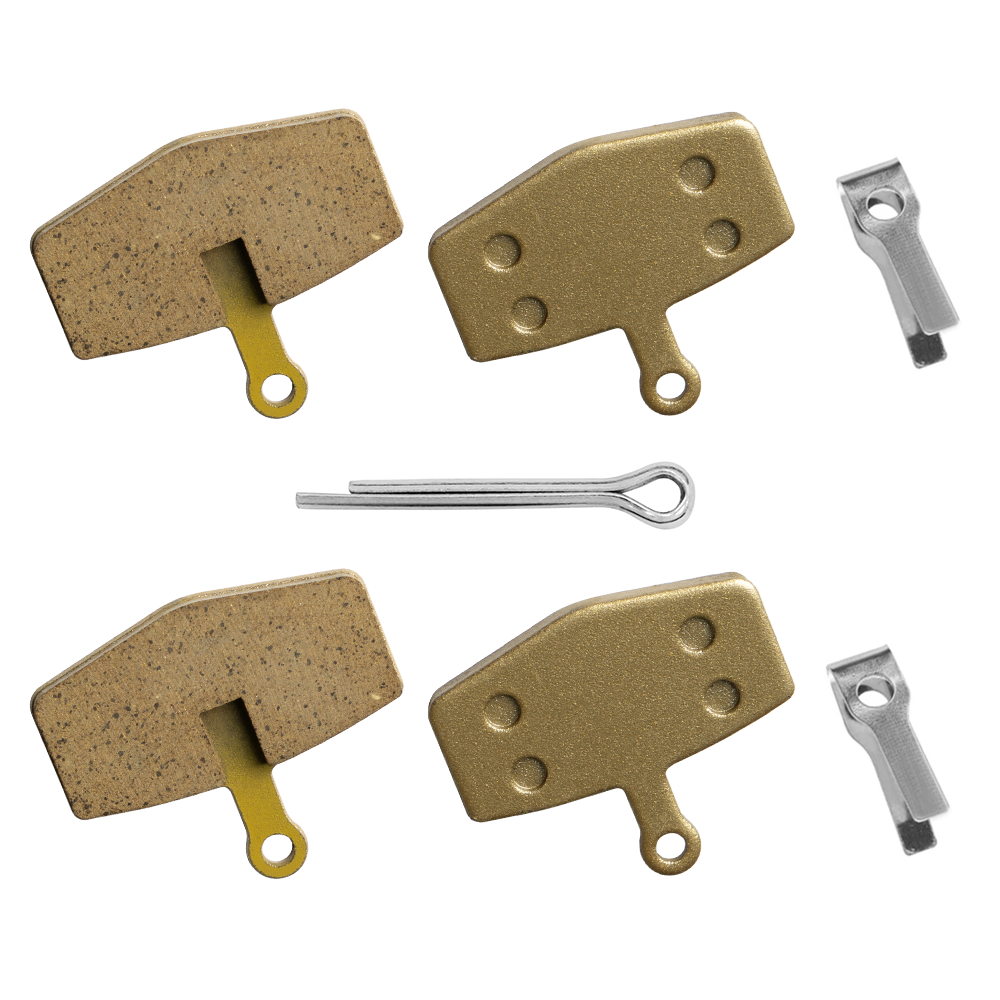
The T7 PRO also has front and rear TEKTRO hydraulic disc brakes. Braking performance depends on the tyres, surface and condition of the system, so regular checks of the pads, rotors and brake operation remain essential.

A 1040Wh Battery for Extra Journeys
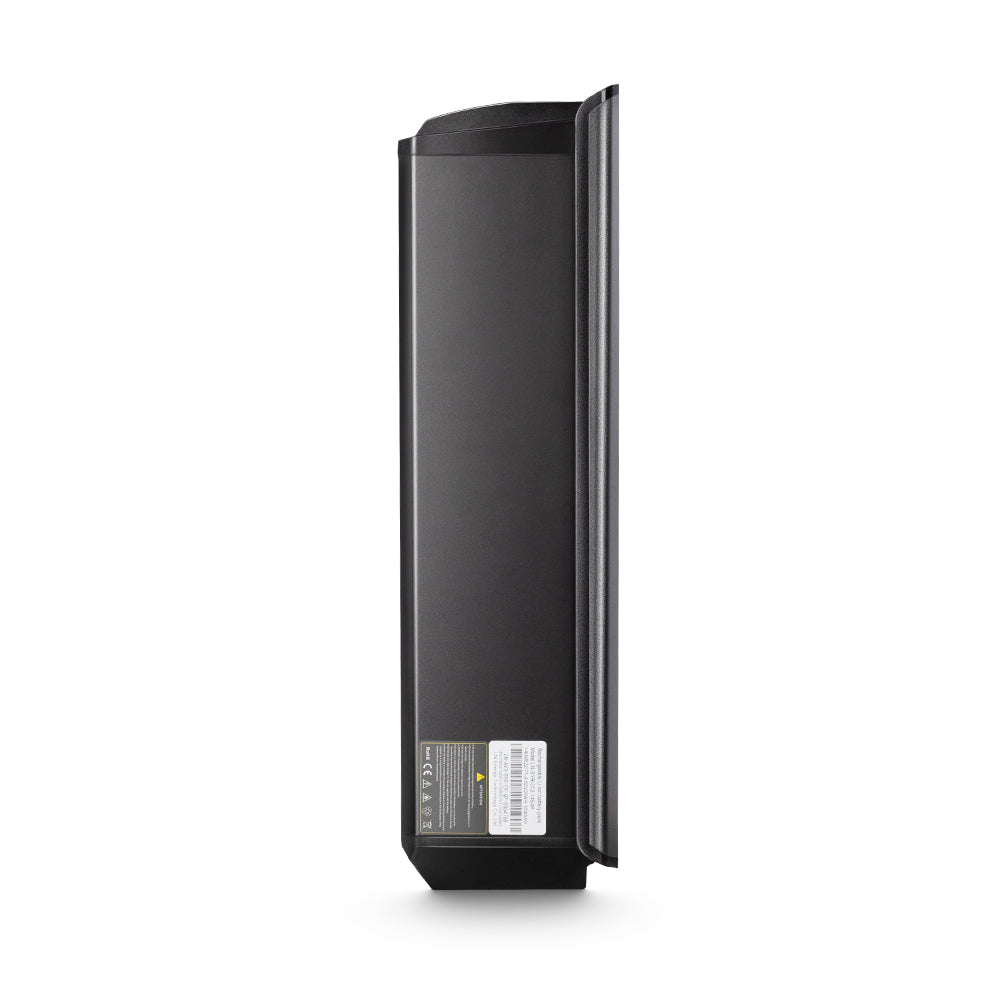
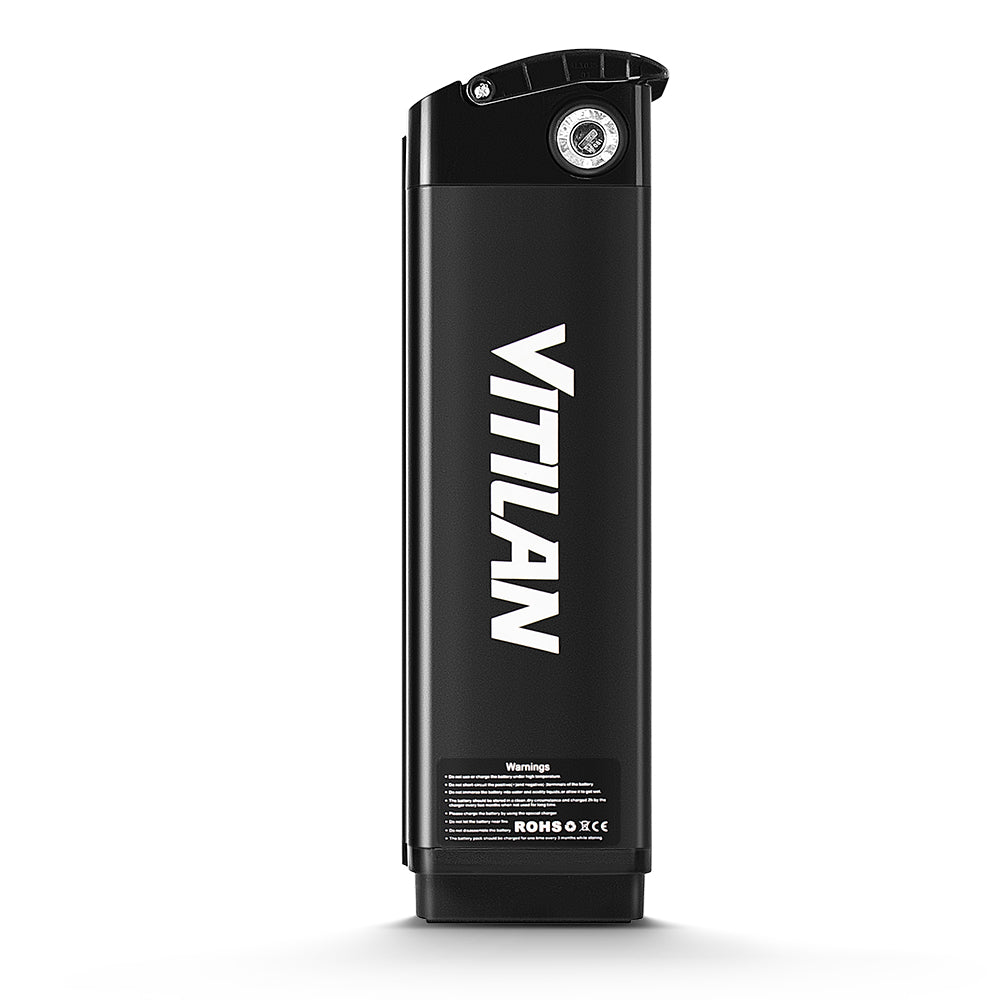
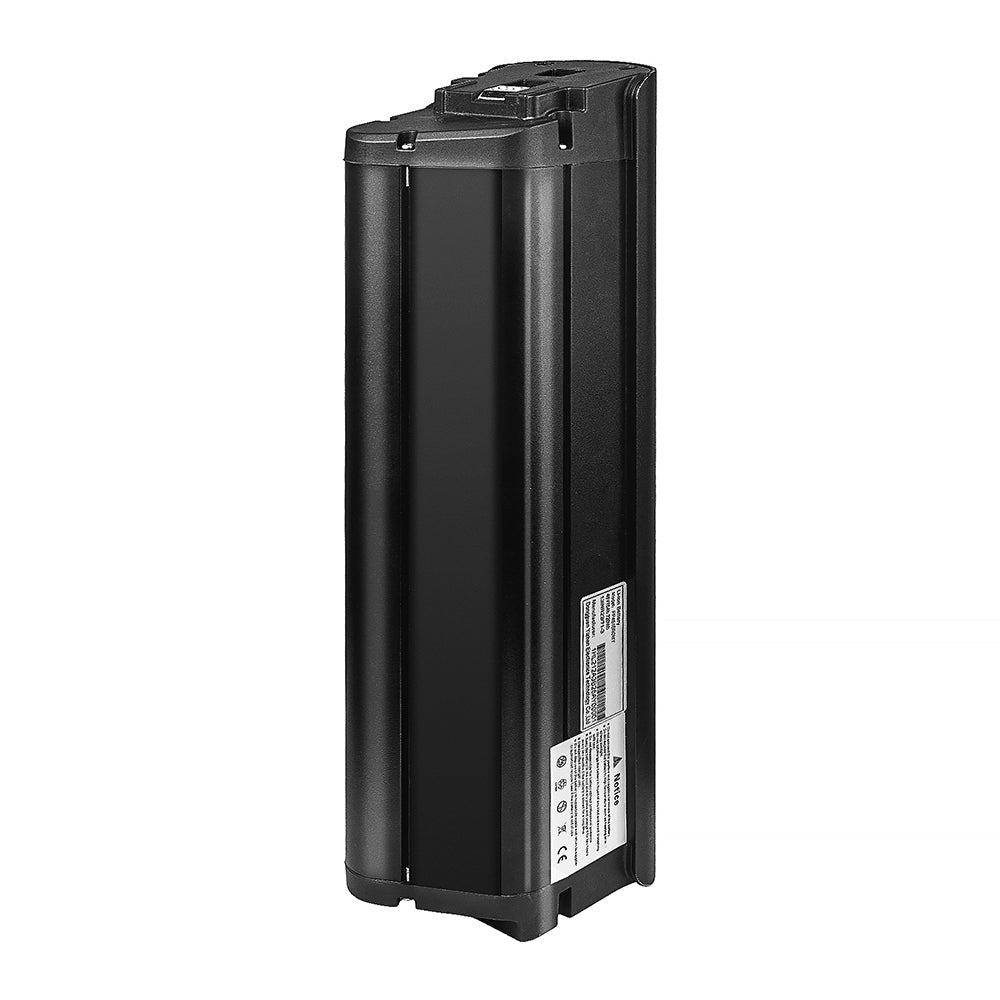
The T7 PRO’s 52V 20Ah battery has a nominal energy capacity of approximately 1040Wh. That reserve can be useful when your usual ride includes a shopping stop, a visit to friends or a longer route at the weekend.
For short journeys with convenient daily charging, capacity may be a lower priority. It becomes more relevant when you regularly add extra trips or need to cover more distance between charges.
In the same e-VRC review, the rider reported using mainly the highest assist level and covering approximately 24km before the display showed around 50% charge remaining. This was an observation during one ride, not a full range test. It should not be doubled to calculate a total range.
Energy use changes with assistance, gradients, load, wind and temperature. Recording the distance and remaining charge on several familiar journeys will give you a more useful planning reference than adopting another rider’s mileage.
The battery can be removed for charging, allowing you to leave the bike in a suitable parking space and take the battery to your charging location. Follow the instructions when removing, charging and refitting it, and check that it is securely locked in place.
If You Carry Your Bike Often, Weight Comes First
The product page lists the T7 PRO at 84.5lb, approximately 38.3kg. This deserves careful consideration before buying.
With ground-level garage storage and little need to lift the bike, riding comfort can take priority. If every outing involves carrying it upstairs on your own, the weight may affect how often you use it. In that situation, address the carrying requirement before choosing suspension features.
|
Your usual circumstances |
What to prioritise |
|
Uneven roads and ground-level bike storage |
Cushioning and bike fit, followed by other features |
|
Stairs every time you use the bike |
Whether the weight is manageable for regular carrying |
|
Frequent extra journeys between charges |
Battery reserve and energy use on your route |
|
Regular car transport or carrier use |
Available space, carrier capacity and fat-tyre compatibility |
Fit involves more than a recommended height range. Leg length, minimum saddle height and reach to the handlebars affect mounting, pedalling and how you support the bike when stopping. Checking the geometry before ordering can help avoid an unsuitable fit.
Our recommendation is straightforward: consider the T7 PRO if you regularly ride on uneven surfaces, value cushioning and rarely need to lift your bike. Before ordering, check the geometry, current specification and package options on the product page. If its weight or dimensions do not suit your circumstances, explore our off-road electric bike range to compare alternatives.
FAQ
How much assembly does the T7 PRO require?
The product page states that the bike arrives approximately 90% pre-assembled. Some assembly and checks are still required. Follow the instructions and assembly video for your version, or ask a bike mechanic for help if you are unfamiliar with the work.
Is a rear rack included?
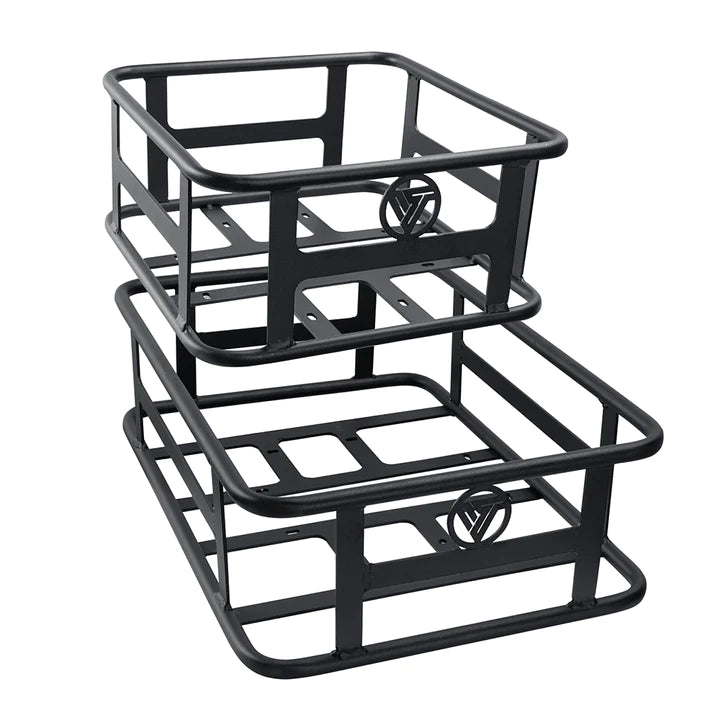
The product page offers a “Bike Only” option and packages that include a rear rack. Check your selected package and order details. When carrying luggage, observe the rack’s separate load limit.
Can puncture-resistant tyres still get punctures?
Yes. The protective layer helps resist some sharp objects but cannot prevent every puncture. Continue to check tyre pressure, tread condition and embedded debris before riding.
What warranty does the T7 PRO come with?
The product page currently states an 18-month warranty. Refer to the warranty policy applicable to your purchase for coverage, conditions and the claims process.
How do I check local road-use requirements?
Confirm the specification of the bike you will receive with the brand, then check your country’s or region’s rules on vehicle classification, registration, insurance and permitted riding areas. The sales region or speed setting alone does not determine road-use eligibility.
Riding feedback in this article comes from e-VRC’s T7 PRO video review. The riding impressions and battery readings relate to the bike tested and the conditions during that ride.


