










Park the Car, Keep Exploring with the VITILAN V3 2.0
by wangziru on Nov 10, 2026

A seaside restaurant, a lakeside town, a viewpoint you spot along the way: they are often only a few kilometres apart, yet walking takes time and driving means finding somewhere else to park. Bring a folding electric bike, and those separate stops can become a ride worth looking forward to. That is the appeal of the VITILAN V3 2.0. Its folding frame helps with transport, while fat tyres and front suspension suit a mix of paved roads and firm paths, giving you more ways to explore once the car is parked.
Why Make Room in the Boot for the V3?
Choosing an e-bike to take on holiday involves two practical questions: can you transport it conveniently, and will you enjoy riding it when you arrive?
The VITILAN V3 2.0 brings together a folding frame, 20 × 4-inch fat tyres, front suspension and hydraulic disc brakes. Each serves a purpose, from packing the bike into a vehicle to handling changing surfaces and controlling your pace. For coastal and lakeside outings, that combination is more useful to consider than any single headline specification.
What Do Fat Tyres and Front Suspension Contribute?
A route beside the coast might begin on smooth streets, cross sections of paving and continue along a firm gravel path. The tyres meet those changes first, while the suspension fork helps absorb some of the impacts reaching the front wheel and handlebars. Together, they influence how relaxed the ride feels over joints, small bumps and uneven surfaces.
Fat tyres hold a relatively large volume of air, but comfort also depends on pressure, load and terrain. Too much pressure can make even a wide tyre feel harsh; too little can affect handling and efficiency. Setting the pressure within the tyre and bike manufacturer’s guidance helps you get more from the V3’s design.
Front suspension does not cushion every part of the bike equally. Slowing down for larger bumps and choosing a sensible line still makes a difference. For leisure riding, the appeal is having a setup that accommodates transitions between paved roads and firm paths.
Why Use the Gears and Assistance Together?
The gears change how hard each pedal stroke feels; the assistance setting changes how much support the motor provides. Using both makes it easier to maintain a comfortable rhythm through short climbs, headwinds and repeated starts.
When leaving a junction, start in an easier gear, then shift up as your pace settles. On an exposed stretch, increase assistance as needed while keeping your pedalling comfortable. This approach suits a day of exploring, where the route and your pace change throughout the ride.
A French Coastal Ride with Lunch by the Sea
Châtelaillon-Plage, on France’s Atlantic coast, lends itself to a short ride with a worthwhile stop along the way. The seaside setting and the oyster-growing village of Les Boucholeurs give the outing both scenery and a destination.
The local tourism office’s Parcours front de mer starts on Boulevard de la Mer in Châtelaillon-Plage and heads towards Yves. The published route is 5.24 km one way, including approximately 3.54 km of tarmac and 1.57 km of firm paths, with a small section where the surface is unspecified.
It is a useful example of what a leisure route can involve. Much of the distance is paved, with stretches where you may want to slow down and choose your line more carefully.
Build the Day Around a Ride and a Proper Stop
Start by parking somewhere permitted and convenient for the route. On the outward ride towards Les Boucholeurs, take time to get familiar with the surface and wind direction. Once there, lock the bike and explore on foot, or make a seafood lunch the main stop of the day.
The return journey leaves room for places you noticed earlier but did not stop to explore. Following the same route back also keeps the distance straightforward and makes it easy to turn around sooner if you prefer.
|
Part of the outing |
Suggested plan |
Why it helps |
|
Before setting off |
Download the route and check the distance from your parking spot |
The official start may be some way from where you leave the car |
|
Outward ride |
Follow the route towards Les Boucholeurs |
Get familiar with the road and notice exposed sections |
|
Main stop |
Lock the bike, explore on foot and enjoy lunch |
Give the destination time, rather than riding straight through |
|
Return ride |
Retrace the route, stopping where you wish |
Keep the distance predictable and the schedule flexible |
|
Time allowance |
Set aside half a day for riding, walking and lunch |
This is sightseeing time, rather than continuous riding time |
Retracing the published route gives a return distance of approximately 10.5 km, plus any riding between the car and the route or additional detours. The route includes shared roads, so follow local signs and adjust your pace where needed.

A Flat Route Can Still Have a Demanding Return Leg
On the coast, wind deserves as much attention as gradients. A tailwind can make the outward journey feel particularly easy. Turn around, and the same distance may require more effort and assistance.
Use the first part of the ride to get a feel for battery use before adding extra distance. When you are new to the V3, a clearly defined return trip is a better starting point than planning the day around the highest advertised range.
When choosing electric bikes for trips like this, consider the surfaces, total distance and stopping points together. The V3’s fat tyres and electric assistance make an appealing combination for this kind of coastal outing. At the beach, park up and explore on foot; riding along the coast and riding on loose sand are different experiences.
Lake Garda: Connect Two Towns with a Lakeside Ride
Torbole and Riva del Garda, on the northern shore of Italy’s Lake Garda, show another reason to bring the V3 along: you can use a bike to connect two destinations after parking the car.
The lakeside route passes beaches and parks, with sections shared by pedestrians and cyclists. Depending on the exact start and finish, it is around 4–5 km each way. You could make it a short return ride or join part of it from your accommodation.
Choose Your Stops Before Adding Distance
Starting from the Torbole side, make Riva del Garda your main stop. Find somewhere suitable to lock the bike, explore the town on foot and enjoy a coffee before returning beside the lake.
The journey between the towns becomes part of the visit. You see how the shoreline, parks and streets connect, rather than simply travelling between two car parks.
Choose one place you definitely want to visit, then leave one or two other stops as options. If the weather is pleasant and you have time, linger. If conditions change, you still have a straightforward route back. It gives the outing a purpose without scheduling every minute.
Easy Control Matters on a Short, Sociable Ride
A shared lakeside path calls for a measured pace. Walkers, junctions and frequent stops make predictable control more relevant than top speed.
The V3’s hydraulic disc brakes and adjustable assistance have a practical role here. Use a lower assistance setting in busier areas, leave room to slow down and settle back into your rhythm when the path opens up. Where an area is intended for walking, park the bike and take a closer look on foot.
This example covers a short connection on the northern shore, rather than a complete circuit of Lake Garda. A full-lake ride involves very different distances and roads. Enjoying a manageable section first is a good way to discover where you would like to explore next.
Fold, Load and Go: Get the First Journey Right
The first attempt at loading a folding bike tells you a great deal. Beyond whether it folds, consider how it fits through the boot opening, who will lift it and how much room remains for luggage.
Measure the Opening as Well as the Space Inside
The V3’s listed folded dimensions are approximately 98 × 50 × 76 cm. Use those as a starting point, but remember that fitting inside the boot and passing through its opening are separate questions.
The opening height, loading lip, rear-seat angle and position of the handlebars and pedals can all affect how the bike fits. A trial run at home is worth the effort. Work out the lifting arrangement, protect the vehicle’s interior, avoid putting pressure on the drivetrain and secure the bike in accordance with the relevant transport guidance.
If you are taking two bikes, plan their positions and securing points separately so they cannot knock against each other during the journey.
When comparing folding electric bikes, look at folded size and lifting requirements together. The V3’s folding frame is particularly useful when you have a workable loading arrangement and want to take your bike to different destinations. Once you have established a method, subsequent trips take less preparation.
Turn Battery Capacity into a Practical Route Plan
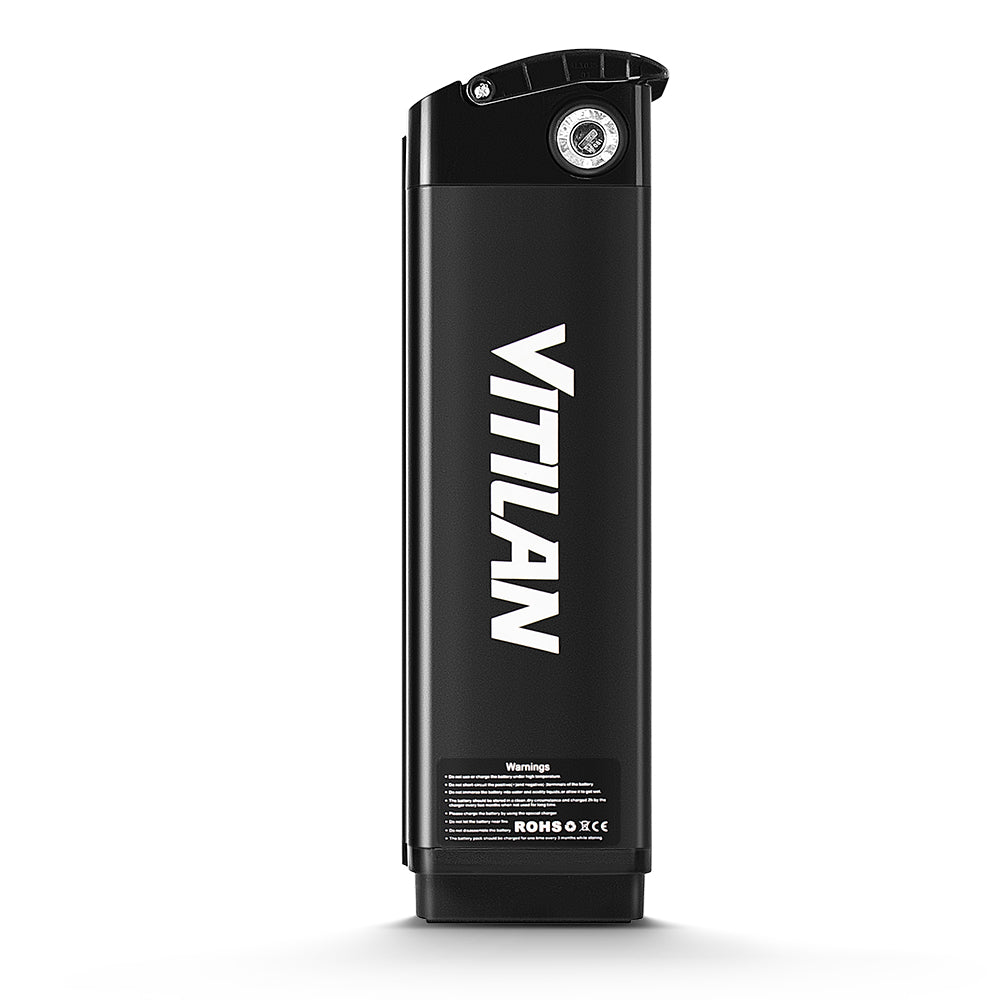
The V3 has a 48V 13Ah battery, equivalent to approximately 624Wh when calculated from its nominal voltage and capacity. That describes stored energy; it does not translate into a fixed distance for every rider.
Hills, headwinds, load and assistance settings all affect consumption. Begin with the distance you need to complete: from the car to the route, onwards to your main stop and back again. Treat extra villages or side trips as optional additions.
Both routes above have clear endpoints and straightforward return options. As you become familiar with the V3’s battery use under your usual load and assistance settings, you can gradually extend your outings.
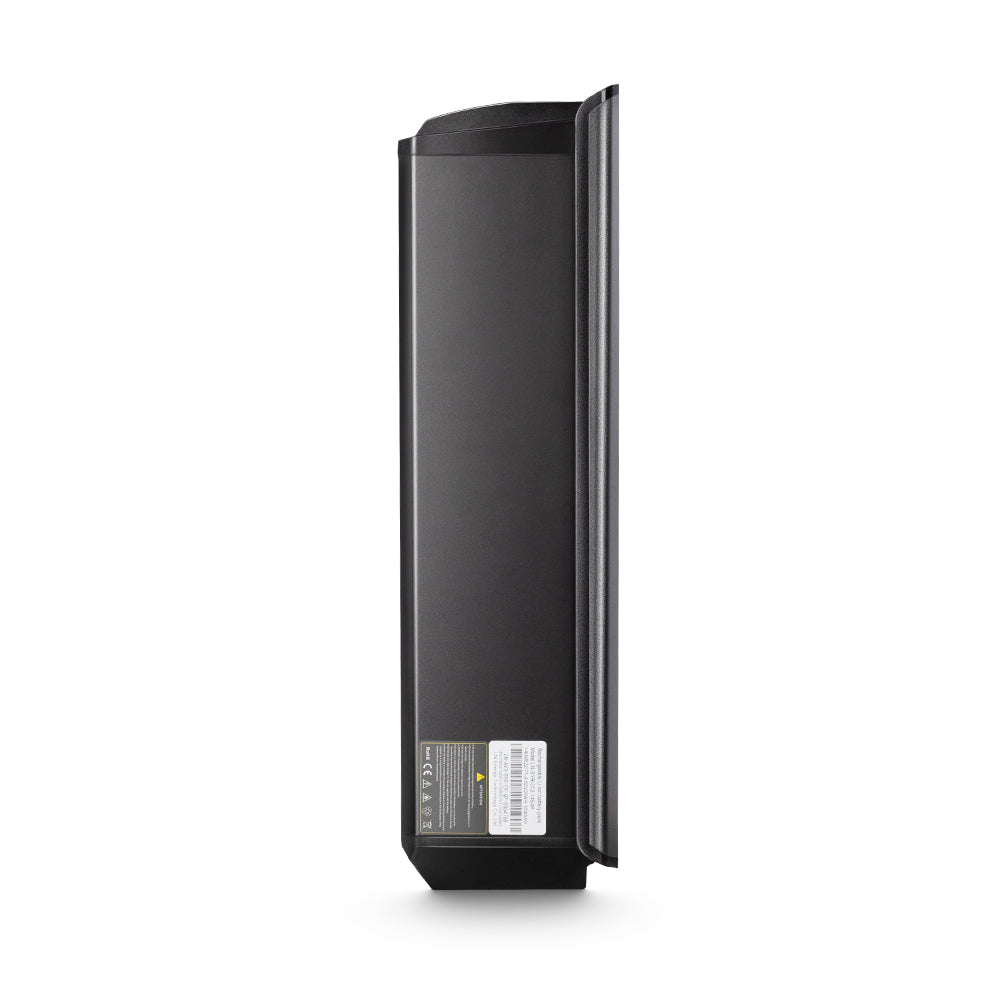
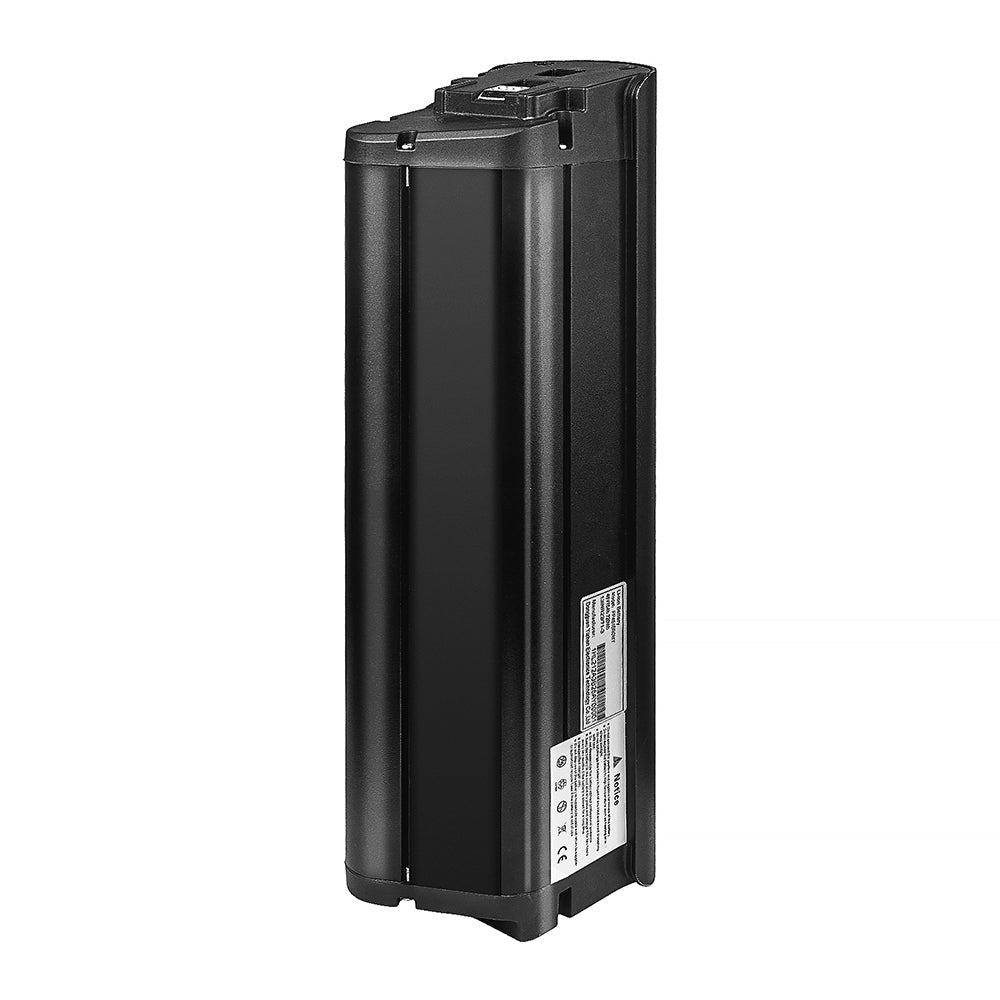
The removable battery also makes charging at your accommodation more convenient. Leave the bike in an appropriate storage area and charge the battery somewhere suitable and permitted, using the original or a compatible charger approved by the brand. On a trip lasting several days, that convenience can be particularly useful.
Where Does the €899 V3 Offer Value?
At the time of writing, the V3 2.0 is listed at €899 on the European website. Within a budget of €1,000, it is worth a close look for its combination of a folding frame, fat tyres, front suspension, hydraulic disc brakes and a removable battery.
For someone buying a first leisure e-bike, that opens up several uses. Local errands, rides beside a river and trips to the coast or a lake can all become reasons to take it out.
The strongest case for the V3 is a rider who has convenient ground-level storage, can transport it when required and wants to explore a mixture of paved roads and firm paths. In that setting, its features have regular, practical uses.
Before buying, give your plans a simple check:
- Will you ride it regularly? Think about nearby routes as well as holidays.
- Can you store and transport it conveniently? Identify a place for the bike and establish a loading method.
-
Will you use the combination of fat tyres and a folding frame? Consider both your riding surfaces and storage needs.
If those points match your plans, the V3 has a convincing place on your shortlist. Start with familiar local rides, then take it further afield when a destination catches your interest.
Visit VITILAN to explore the V3’s colours, current offers and delivery information. With a route chosen and the loading arrangements sorted, those few kilometres beyond the car park can become one of the best parts of the trip.
Frequently Asked Questions
How soon after delivery can I take the V3 on a trip?
Complete the remaining assembly and checks, then take a familiarisation ride near home before travelling. Follow the instructions for the front wheel, handlebars, fasteners, brakes and gears. Sorting out any adjustments beforehand is much easier than doing so at your destination. If you are unfamiliar with bike assembly, ask a qualified mechanic to help.
Can I fit panniers or a basket to the V3?
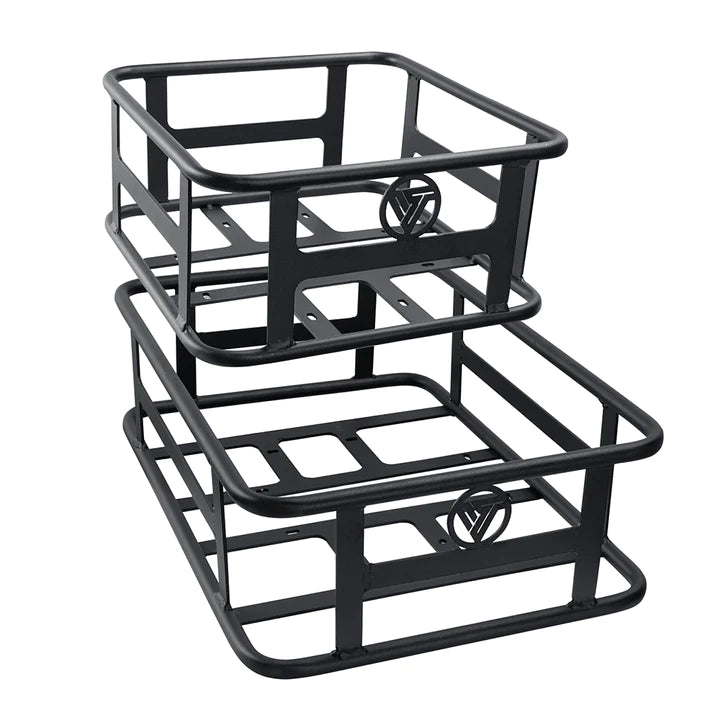
Choose accessories according to their compatibility, mounting method and permitted rack load. Panniers should clear the tyre, brakes, gears and your heels when pedalling. The bike’s maximum total payload is different from the rear rack’s load limit and does not establish compatibility with every basket.
Can two adults of different heights share one V3?
Each rider needs to check the fit individually. Saddle adjustment helps, but mounting, standing at a stop, handlebar reach and access to the brake levers also matter. Once both riders have found a suitable setup, recording their saddle positions makes switching easier.
How should I clean the V3 after a coastal ride?
Remove sand and salt deposits promptly. Follow the manual, using soft cleaning tools and an appropriate amount of fresh water, then dry the bike. Avoid directing high-pressure water at electrical connections or bearings. Lubricate the chain as needed after cleaning, keeping lubricant away from the brake discs and pads.


