










How Much Does an E-Bike Cost? Price Differences, Features and What You Get for Your Money
by wangziru on Nov 06, 2026

When shopping for an electric bike, you may notice that some models cost less than €1,000, while others are priced above €2,500. Where does this difference come from? Is a more expensive e-bike really worth the extra money? Battery capacity is only one part of the equation. Motor assistance, brakes, suspension, frame construction and overall design all influence the final price. Rather than simply looking for the cheapest option, it makes more sense to understand what different budgets can buy and which features are actually worth paying for.
How Much Does an E-Bike Cost? A Look at European Market Prices
There is no single standard price for an electric bike. City commuter bikes, folding fat tyre e-bikes and higher-specification electric mountain bikes can have very different price tags. Average selling prices also vary between European countries due to differences in brands, retail channels, product specifications and consumer preferences.
According to market data published by the German Bicycle Industry Association (ZIV) for 2025:
- The average selling price of an e-bike in Germany was €2,550.
- This was down 3.8% from €2,650 in 2024.
- Increased promotional discounts were among the factors influencing the lower average selling price.
In France, the average e-bike selling price in 2025 was approximately €1,999. Italy's ANCMA has published annual sales figures, but a comparable average selling price for that year was not available, so it would be misleading to apply figures from other countries to the Italian market.
|
Market |
Average E-Bike Selling Price in 2025 |
|
Germany |
€2,550 |
|
France |
€1,999 |
These figures provide useful market context, but they do not represent the minimum budget needed to buy an e-bike. They include different brands, models, specifications and sales channels. A commuter e-bike does not necessarily need to cost more than €2,000.
For customers buying directly from a brand's website, the available price range may be considerably broader. The important thing is to establish your budget first, then compare what different bikes actually offer for the money.
What Determines the Price of an Electric Bike?
If two e-bikes look similar but differ in price by several hundred euros, do not focus solely on the brand name or advertised motor specifications. The real differences often lie in the components and how they work together.
1. Battery Capacity and Configuration
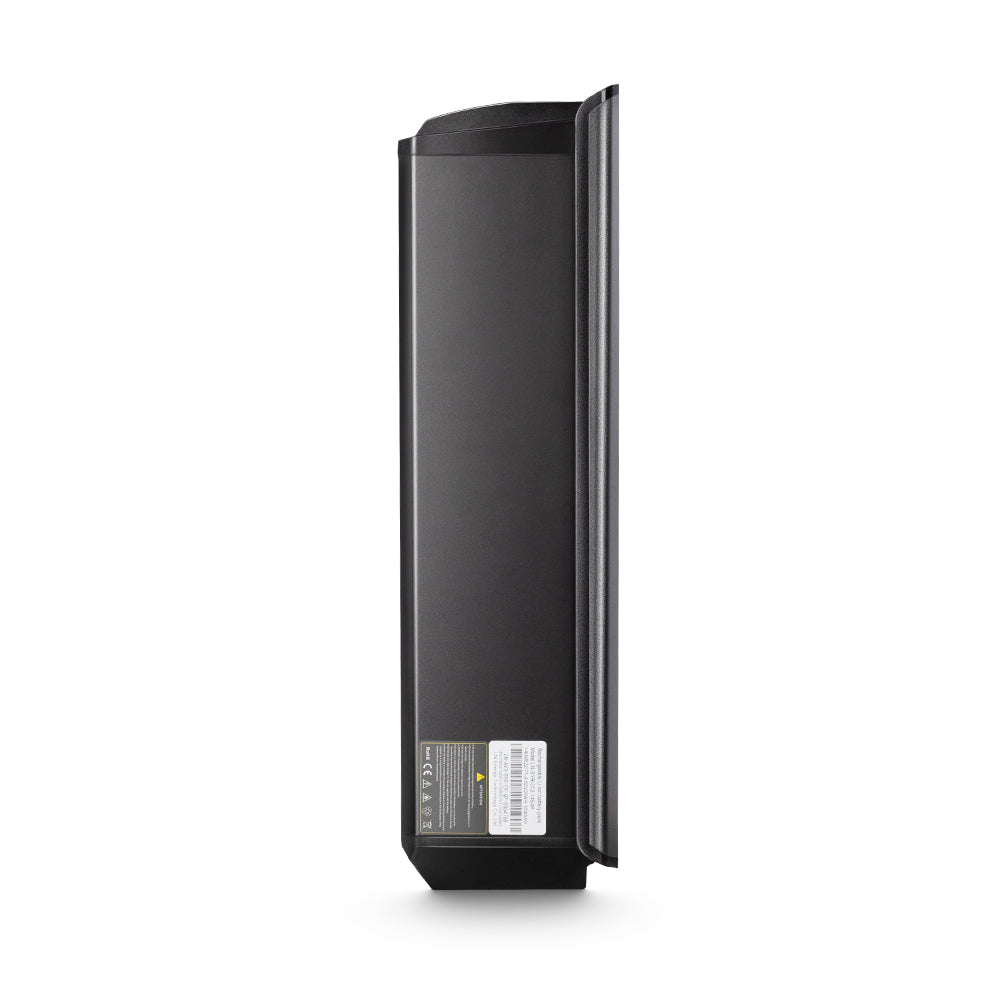
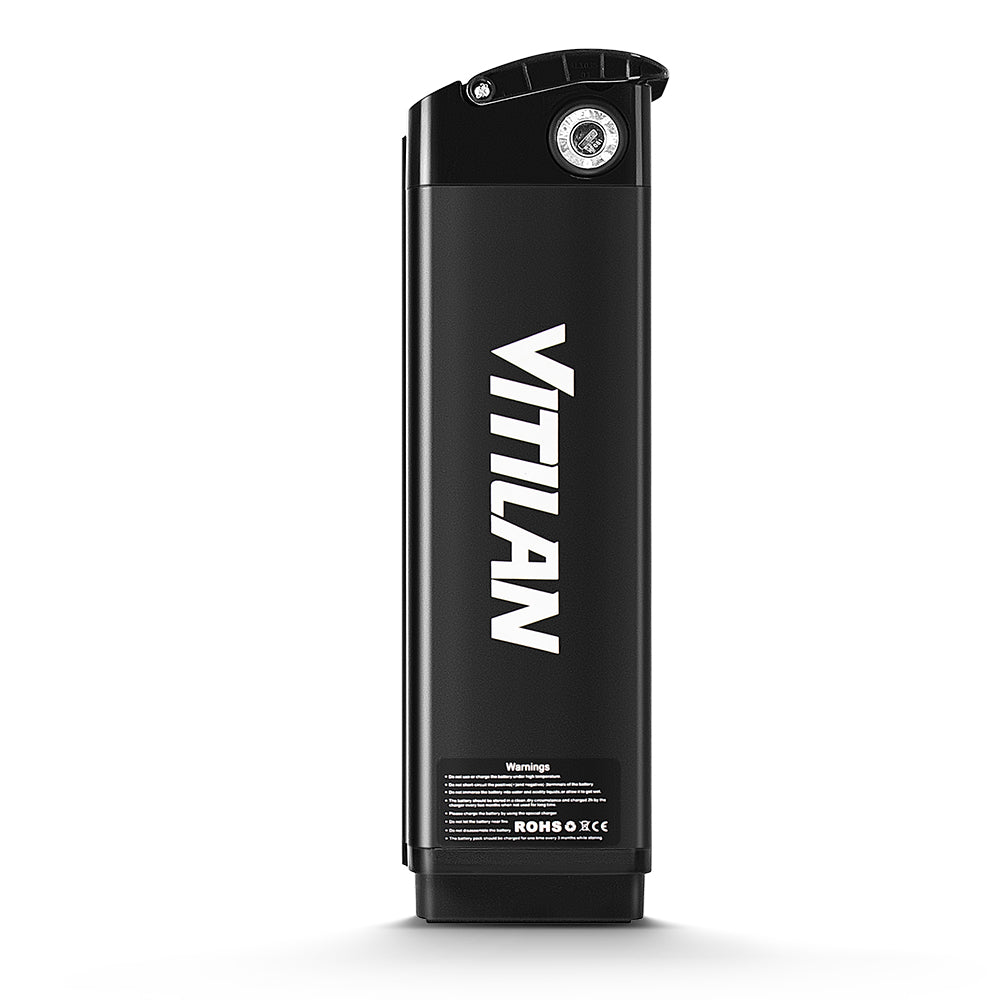
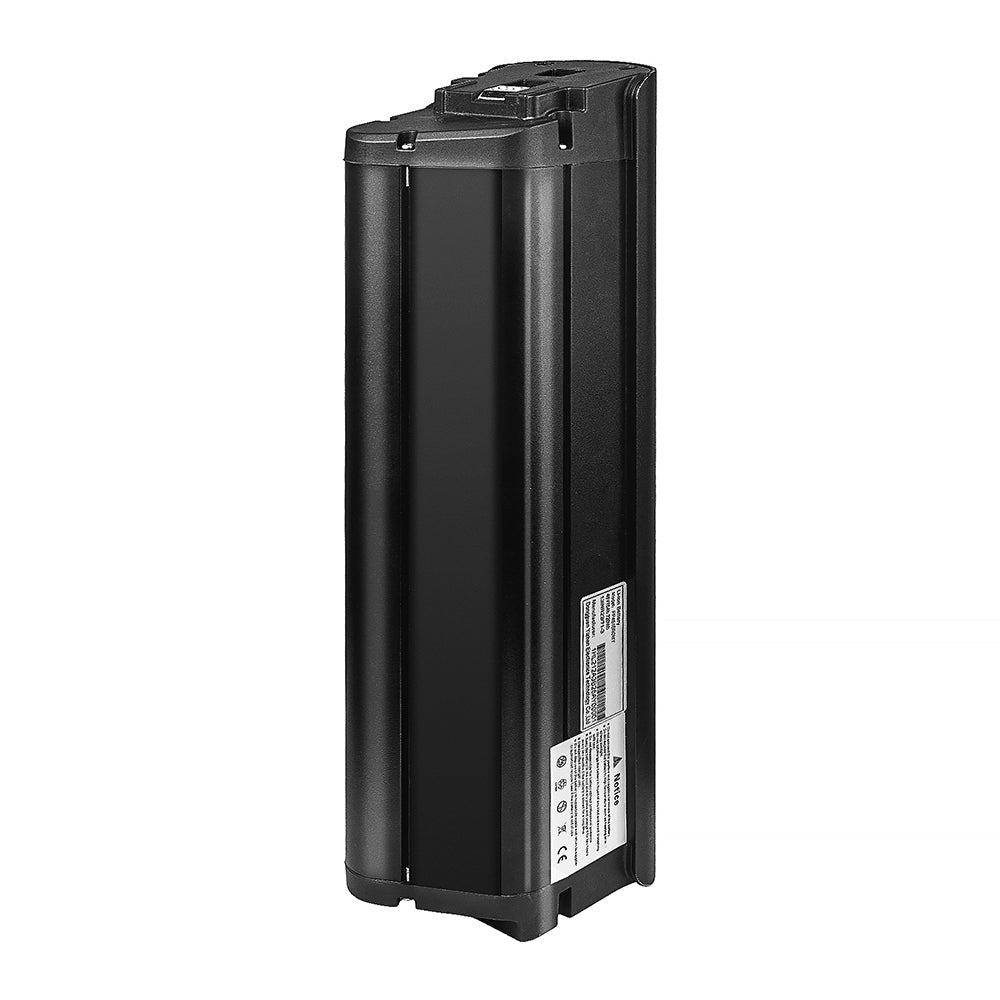
The battery is one of the key components influencing the overall cost of an e-bike.
When comparing batteries, look beyond voltage and amp-hour figures. Watt-hours (Wh) provide a clearer indication of the battery's stored energy.
Battery energy (Wh) = Voltage (V) × Capacity (Ah)
For example:
- 48V 13Ah: approximately 624Wh.
- 48V 20Ah: approximately 960Wh.
When other conditions are similar, a larger-capacity battery generally stores more energy. However, this does not mean the riding range will increase in exactly the same proportion. Bike weight, rider weight, assistance level, terrain and temperature all affect real-world range.
It is also worth checking whether the battery is removable, what cells it uses, whether replacement batteries are available and whether the supplied charger is compatible.
2. Motor Assistance and Sensors
The value of an e-bike motor should not be judged by a single power figure.
For standard EPAC electric bicycles in Europe, rated continuous power, assistance cut-off speed and the way motor assistance is controlled all need to meet the applicable regulations.
Torque sensors and cadence sensors also provide different riding experiences:
- A torque sensor adjusts assistance according to how much force the rider applies to the pedals. This generally creates a more natural connection between pedalling effort and motor assistance.
- A cadence sensor primarily detects crank rotation to activate assistance. Its operation is comparatively straightforward.
For riders who regularly deal with stop-start urban traffic or repeated climbs, the way assistance responds to pedalling can make a noticeable difference.
3. Braking Systems and Suspension
These components have a direct effect on riding experience and can also influence the overall cost.
Hydraulic disc brakes, for example, generally offer a lighter lever feel and more controlled braking compared with basic mechanical disc brakes. On heavier e-bikes and models with wider tyres, the braking specification deserves particular attention.
Suspension also varies considerably:
- Front suspension: Helps absorb impacts through the front wheel when riding over uneven surfaces.
-
Full suspension: Adds rear suspension as well, providing additional comfort on rougher terrain.
If most of your riding takes place on smooth tarmac, you may not need to pay extra for a full-suspension system. However, if your regular routes include gravel, damaged roads or outdoor trails, a more comprehensive suspension setup can be worthwhile.
4. Frame Construction, Folding Mechanisms and Drivetrain
An e-bike is more than its motor and battery. The frame needs to be suitable for regular use over time.
Folding models require particular attention to their hinges, locking mechanisms and frame connections. Fat tyre models need suitable wheel rims, fork clearance and braking components that match their tyre and frame design.
The drivetrain matters too. Different gear systems and component specifications influence shifting performance, maintenance requirements and the types of routes a bike is suited to.
Finally, consider whether the brand provides maintenance guidance, replacement parts and after-sales support. The purchase price is only the initial expense; how easily the bike can be maintained also affects its long-term value.
What Can You Get for €800–€1,000?
This budget can already provide access to electric bikes with a fairly complete specification. You do not necessarily have to settle for the most basic commuter model.
For example, the VITILAN V3 2.0 is currently listed on the EU website at €899. It combines a folding frame with 20×4.0-inch fat tyres, making it an option for riders who want a combination of everyday practicality and versatility across different surfaces.
Its main specifications include:
- 20×4.0-inch CHAOYANG fat tyres.
- 48V 13Ah removable lithium battery.
- Shimano 7-speed drivetrain.
- Hydraulic disc brakes.
- Front suspension.
- Folding frame design.
The value of this specification lies in its balanced approach. Rather than concentrating the budget on just one component, it combines wider tyres, a folding frame, hydraulic braking and the essential features needed for everyday riding.
Customer feedback also provides another perspective. On the V3 2.0 product page, verified purchaser Borna K. left the following review on 21 July 2026:
Very good for that price!!!
This is an individual customer's opinion rather than a professional laboratory assessment, but it gives an indication of how one buyer viewed the relationship between price and product performance.
The VITILAN V3 2.0 brings these features together in a single folding fat tyre design, making it a useful example of what the sub-€1,000 price bracket can offer.
What Changes When Your Budget Increases to €1,000–€1,500?
With a higher budget, the important question is not whether the bike looks more sophisticated. It is whether there are meaningful improvements in battery capacity, suspension, braking and overall specification.
The VITILAN I7 Pro 3.0 is a useful example. Its current displayed price on the EU website is €1,299.
Compared with the V3 2.0, the I7 Pro 3.0 offers several specification upgrades:
|
Specification |
V3 2.0 |
I7 Pro 3.0 |
|
Current displayed price |
€899 |
€1,299 |
|
Battery |
48V 13Ah |
48V 20Ah |
|
Tyres |
20×4.0-inch |
20×4.0-inch |
|
Drivetrain |
Shimano 7-speed |
Shimano 8-speed |
|
Suspension |
Front suspension |
Front and rear suspension |
|
Brakes |
Hydraulic disc brakes |
Hydraulic disc brakes |
|
Frame |
Folding design |
Full-suspension folding design |
The €400 price difference brings a larger battery, a more comprehensive suspension setup and an additional gear.
For riders who regularly use uneven routes and want a more extensive specification, these upgrades can make a practical difference.
However, a more expensive model is not automatically the better choice for everyone.
If most of your journeys are on smooth urban roads, the V3 2.0 already offers a fairly complete specification. Paying an additional €400 for features you rarely use may not represent the best value.
The most worthwhile upgrade is one that makes a noticeable difference to your actual riding experience.
Looking at the differences between the two models, the I7 Pro 3.0 is better suited to riders who place greater importance on battery capacity and front and rear suspension. Its full specification and design also make it easier to assess whether the €400 difference matches your riding requirements.

Why Do Fat Tyre Electric Bikes Have Different Prices?
The price of a fat tyre e-bike cannot be judged simply by looking at tyre width.
20×4.0-inch tyres are a common specification, but tyres of the same size can still differ in tread design, rubber compound, weight and durability.
Fat tyre models also need to be assessed in terms of:
- Whether the rims and wheels are properly matched to the tyre specification.
- Whether the fork and frame provide sufficient tyre clearance.
- Whether the braking system is suitable for the bike's weight and intended use.
- Whether the suspension design matches the model's intended purpose.
- Whether the battery and overall weight make the bike practical to transport and store.
Wider tyres can provide benefits in terms of contact area, flotation and comfort on softer surfaces. For riders who regularly encounter gravel, sand, grass or uneven roads, these characteristics can be useful.
However, wider tyres are not automatically faster or more efficient on every surface. Tyre weight, pressure and tread resistance all influence riding performance.
The VITILAN Fat Tyre Electric Bike collection covers different design approaches. When comparing models, consider the tyres, frame, braking and suspension together rather than judging the overall value by tyre width alone.
Why Do Folding Electric Bikes Have Different Prices?
The value of a folding e-bike goes beyond simply being able to fold the frame.
For people with limited storage space, those who want to carry a bike in a car boot, or riders who regularly need to transport their bike, a folding design can provide practical advantages.
However, folding models can differ significantly in price for several reasons.
Folding Mechanism and Frame Construction
A folding mechanism needs to be convenient to operate while remaining secure when the bike is unfolded. The hinge design, locking system and frame connections all contribute to the overall engineering and manufacturing cost.
Actual Folded Dimensions
Not all folding e-bikes take up the same amount of space.
The folded length, width and height can vary considerably, even between bikes marketed as folding electric bicycles.
Before buying, check whether the folded dimensions will fit your home storage area, car boot or intended transport space.
Overall Weight and Ease of Handling
Here is something that is easy to overlook:
Folding does not necessarily mean lightweight.
Models equipped with fat tyres, larger batteries and front and rear suspension can still be relatively heavy when folded. If you need to carry your bike up stairs every day, its total weight may matter more than the folding mechanism itself.
For different frame designs, folded dimensions and specifications, the VITILAN Folding Electric Bike collection covers a range of model configurations. In practice, folded size and overall weight should be considered just as carefully as the folding feature itself.
How to Tell Whether an E-Bike Is Worth the Price
Before placing an order, I would not compare two bikes based on their selling prices alone. Work through the following points instead.
1. Check the Battery Specification
Look at battery capacity, brand information, whether it is removable and whether a compatible replacement battery is available.
2. Check the Brakes and Suspension
Do not rely solely on product descriptions such as hydraulic brakes or full suspension. Confirm the actual components, brands and design.
3. Confirm the Frame Design and Overall Weight
This is particularly important for folding e-bikes. Check the folded dimensions and whether the bike will be manageable to lift and transport in everyday situations.
4. Check Warranty and After-Sales Support
Confirm the warranty coverage, customer service arrangements, availability of replacement parts and return conditions. A cheaper bike without reliable support may not be a particularly good deal.
5. Check European EPAC Compliance
If you intend to use a standard pedal-assist electric bicycle on public roads in Europe, pay attention to the applicable regulations.
Under Regulation (EU) No 168/2013, bicycles meeting the relevant EPAC exemption conditions must satisfy the following requirements:
- The maximum continuous rated motor power must not exceed 250W.
- Motor assistance must stop when the rider stops pedalling.
- Motor assistance must progressively reduce and cut out before the bicycle reaches 25 km/h.
Do not rely solely on advertised speed figures. Check the rated motor power and assistance control system as well.
6. Calculate the Actual Purchase Cost
Finally, check the total amount payable, including:
- The price of the bike itself.
- Delivery charges and any other applicable fees.
- Whether essential accessories are included.
- Available discounts and payment options.
- Warranty and after-sales conditions.
An e-bike that represents good value is not necessarily the cheapest or the one with the most features. It is the bike whose specification and overall ownership experience justify what you pay.
Frequently Asked Questions About E-Bike Prices
Is a Budget of €800–€1,000 Enough to Buy an Electric Bike?
For everyday commuting and leisure riding, this budget can already cover models with fairly complete specifications. Pay particular attention to the battery, brakes, drivetrain and frame quality rather than simply looking for larger motor figures.
Are Electric Bikes Over €2,000 Always Better?
Not necessarily. A higher price may reflect a mid-drive motor, a higher-grade battery, branded suspension components, frame materials or more specialised mountain-bike equipment. If you mainly ride on smooth roads, some of these upgrades may offer limited practical value.
Are Fat Tyre Electric Bikes Always More Expensive Than Standard E-Bikes?
No. The price depends on the complete specification, not just tyre width. Bikes with the same tyre size can still have very different batteries, brakes, suspension systems and drivetrains.
Is It Worth Paying Extra for a Folding Electric Bike?
If you need to save storage space, transport your bike in a car or regularly move between different forms of transport, a folding design can be very practical. However, if your bike stays in a garage and rarely needs to be moved, a conventional frame may be more suitable.
The price of an electric bike is only the starting point. What really determines whether a bike is worth buying is how well its specification suits your regular routes, riding habits and storage requirements. Rather than paying more for features you may never use, choose a bike with the right balance of battery, brakes, suspension and frame design for the way you actually ride.


