










E-Bike Battery Not Charging? What to Check Before You Replace It
by wangziru on Sep 29, 2026

You plug in your e-bike after getting home. A few hours later, the battery level has not moved. It is easy to assume that the battery has failed and needs replacing.
That may not be the case. The socket, charger, charging port, battery connection or temperature could be affecting the charge. The checks below are limited to things you can safely observe from the outside. If the battery or charging port is visibly damaged, unusually hot or giving off an unusual smell, stop charging and using the bike, and contact the manufacturer’s support team.
First, Work Out What “Not Charging” Looks Like
The symptoms can help you decide what to check first. They cannot, on their own, tell you which component has failed. Charger lights also mean different things on different models, so refer to the instructions for your charger rather than assuming that a particular colour indicates a fault.
|
What you notice |
Where to start |
|
The charger shows no light when plugged in |
Check whether the socket works and look for visible damage to the cable, plug or charger |
|
The charger light is on, but the battery level does not rise |
Check the connection and charging port, then note what the indicator is doing |
|
Charging starts but stops soon afterwards |
Note the temperature, connection and any unusual heat or error message |
|
Neither the battery nor the bike responds |
Check that a removable battery is fitted correctly and record the symptoms for support |
If the battery charges but always stops at a particular level, note that level and what the charger does when it stops. A battery that will not charge fully may require a different line of investigation from one that will not start charging at all.
Check the Socket and Charger
Start by confirming that the wall socket works. Then inspect the charger’s cable, plug and casing for visible damage. Do not continue using a charger with a damaged cable, distorted plug or cracked casing.
Make a note of whether its indicator lights up and whether the colour or flashing pattern changes after you connect it to the battery. A light on the charger does not prove that it is charging the battery correctly.
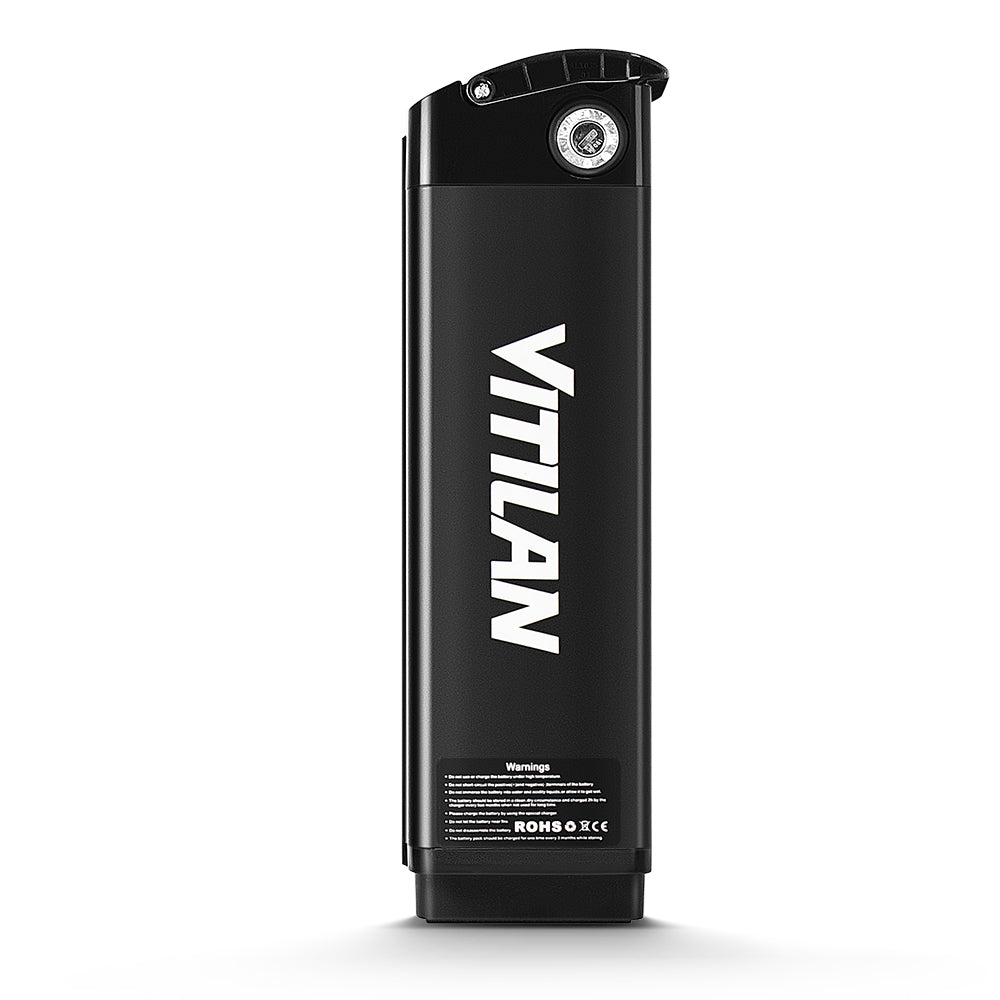
Check that the charger is the one specified for your battery. For example, the VITILAN EU product pages list the V7 with a 48V, 20Ah battery and a 54.6V, 3.0A charger. The T7 PRO is listed with a 52V, 20Ah battery and a 58.8V, 3.0A charger. Both chargers are marked 3.0A, but their output voltages differ. These figures are an example of why a matching-looking plug or one matching number is not enough to establish compatibility. Check the labels on your own bike, battery and charger, and ask support if you are unsure.
Do not borrow another e-bike’s charger as a test or open a charger to inspect its circuitry. If the basic external checks do not explain the problem, record the charger model and its indicator behaviour for the support team. Confirming whether the charger works properly is a better next step than buying a battery straight away.
Check the Battery Fit, Charging Port and Temperature
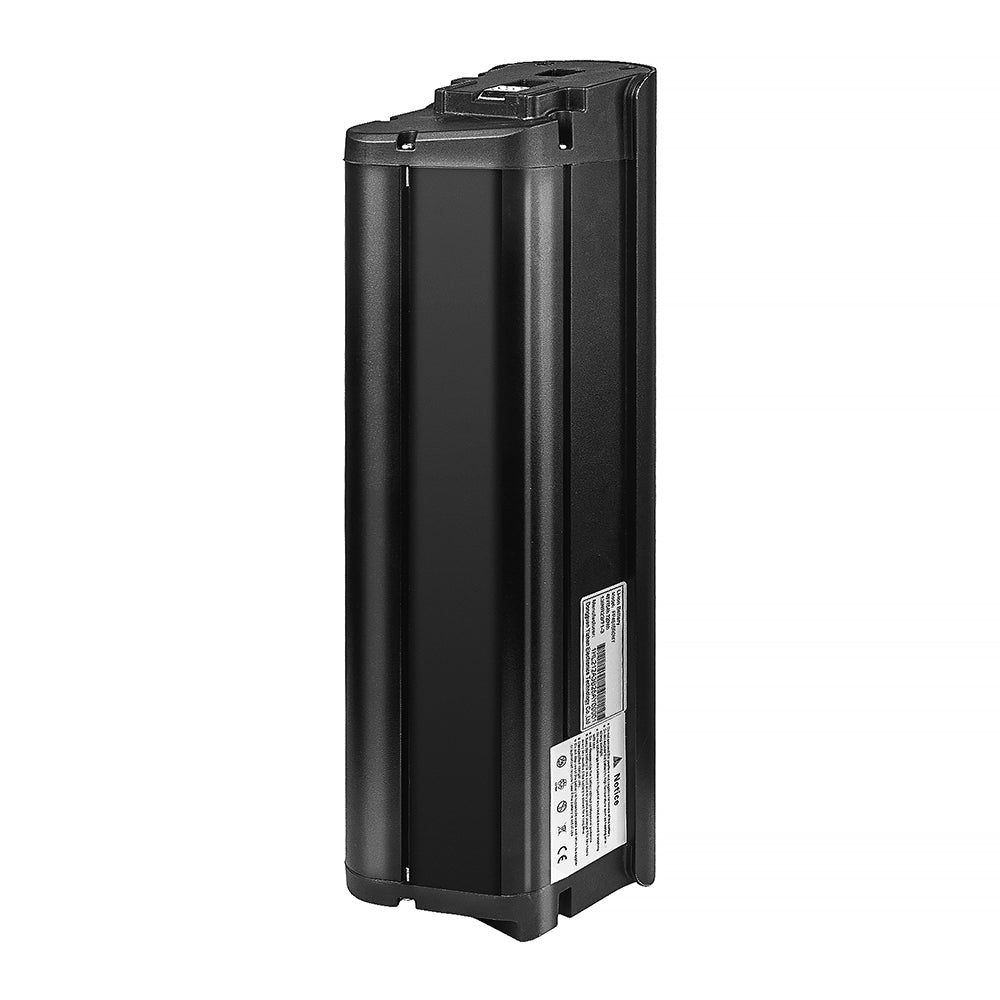
If your bike has a removable battery, think back to when the problem began. Did it start after you last took the battery out? Disconnect the charger first, then follow your bike’s instructions to check that the battery is seated and locked correctly. Do not force it into place or alter the connectors.
Look at the charging port and plug from the outside. Check for dirt, moisture, looseness or visible damage. Do not put a metal tool into the port or touch the electrical contacts. If you see scorching, melting or clear signs of water ingress, stop trying to charge the battery and arrange a professional inspection.
Temperature is another possibility. If the battery has just been used or stored in very cold or hot conditions, follow the charging guidance for your particular model before assuming it has failed. For advice on everyday winter use and storage, see our guide to caring for an e-bike battery in cold weather.
Why Does the Bike Turn On but Refuse to Charge?
Sometimes the display still lights up and the motor still provides assistance, yet the battery level does not rise when you plug in the charger. There is no contradiction: the battery may still be able to supply power to the bike while something prevents it from charging normally.
Write down the battery level shown on the display, what the charger light does before and after connection, and whether the problem appeared suddenly. Do not repeatedly disconnect and reconnect the charger, or ride until the battery is completely flat in the hope that charging will restart. Give those observations to support so they can assess the issue for your model.
When Should You Stop Checking and Get Help?
Stop charging and using the battery if it is swollen, its casing is badly damaged, it is leaking, or you notice unusual heat or smell. The same applies if the charging port looks scorched or melted. Contact the manufacturer’s support team or a qualified repair professional. Do not open the battery casing, inspect the cells or attempt to bypass its protection system.
Even without these warning signs, a battery that still will not charge after you have checked the socket, specified charger, external connection and battery fit needs further assessment. The fault could involve the charger, battery or another part of the bike’s charging system. The symptoms alone may not identify which one.
A single failed charging attempt does not mean the battery must be replaced. If you had also noticed a substantial drop in usable capacity before this happened, mention it to support. Our article on how long an e-bike battery lasts explains that separate, longer-term issue.
What Should You Tell Support?
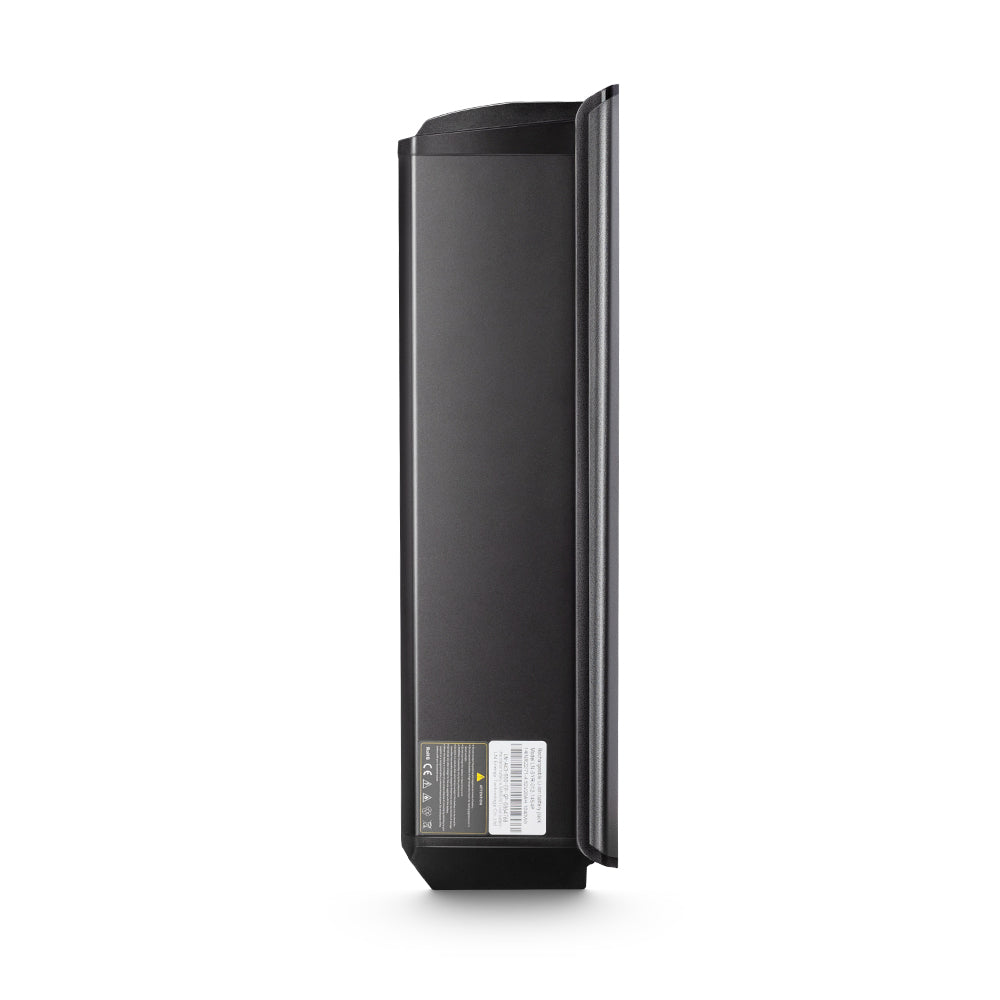
A description of exactly what happened is more useful than saying only that “the battery does not work”. Have your bike model and version, battery and charger model labels, purchase details, and the date the problem first appeared ready. Include the battery level shown on the display and what the charger indicator does.
If it is safe to do so, take photographs of the battery casing, charger label and charging port. Tell support if the bike or battery has recently been dropped, exposed to heavy rain or left unused for a long period.
This information can help them decide what needs checking next. If a replacement battery is eventually needed, confirm that it matches your exact bike model and version. VITILAN lists batteries for different models; similar voltage and capacity figures alone do not establish compatibility.
FAQ
My battery has been unused for months and now shows no response. Should I keep trying to charge it?
Do not repeatedly reconnect the charger or try an online “revival” method. Note how long the battery has been unused and whether the battery or charger shows any indicator lights. Check for visible external damage, then ask support for advice specific to that model.
The charging port got wet. Can I charge the battery once the outside looks dry?
A dry surface does not confirm that the inside of the port is dry. Do not connect the charger yet. If there are clear signs of water ingress, corrosion or an error message, contact support for guidance.
Can I use a charger from another e-bike to find out which part is faulty?
Only if the manufacturer has explicitly confirmed that the charger is compatible with your battery. A plug that fits does not mean the charging requirements match. Give support for the model details and behaviour of your existing charger so they can advise on the next check.


