











Why Does My E-Bike Suddenly Cut Out or Lose Assistance While Riding?
by ziru wang on Oct 22, 2026

If your e-bike suddenly loses assistance while riding, the cause could be related to the battery connection, power supply, sensors or drive unit. If the display switches off as well, the problem needs to be approached differently from a situation where the display stays on but the motor stops providing assistance. Rather than replacing the battery or motor straight away, start by looking at when the problem occurs, what happens on the display and whether you notice any other unusual behaviour. This guide takes you through a clear troubleshooting process to help narrow down the possible causes, explain which checks are safe to carry out and identify when you should stop riding and seek professional assistance.
Is Your E-Bike Losing Assistance or Switching Off Completely?
These two situations may feel similar, but they do not necessarily have the same cause. Start by checking whether the display remains on when the problem occurs.
|
What happens while riding |
What to investigate first |
|
The display stays on, but the motor stops providing assistance |
Assistance mode, normal cut-off conditions, sensor signals or the drive system |
|
The display and motor switch off together |
Battery fit and connections, power supply issues or a system protection mechanism |
|
Assistance cuts out when climbing or pedalling hard |
Power supply conditions, connection issues or a drive system protection mechanism |
|
The bike cuts out after riding over bumps |
Battery installation, visible cables and accessible connections |
|
The problem starts after riding for a while |
Temperature, power supply conditions or an intermittent electrical fault |
|
An error code appears on the display |
The official troubleshooting guidance for your specific model and display system |
These symptoms can help narrow down the possible causes, but none of them proves that a particular component has failed.
It is also important to rule out normal assistance cut-off. Some e-bikes stop providing motor assistance when they reach their specified cut-off speed or another normal operating limit. If the bike continues to operate normally, with no unexpected shutdown, error code or other unusual symptoms, this does not necessarily indicate a fault.

Follow This Troubleshooting Path
Work through the following steps in order to narrow down the problem without replacing parts unnecessarily.
First, check for any immediate safety concerns.
- If the battery is unusually hot, swollen or leaking, or has developed a burning smell, or if you notice damaged wiring, faulty brakes or a wheel that is difficult to turn, stop riding.
- If the battery is smoking, making hissing noises or showing other signs of a potentially dangerous thermal event, do not continue operating or charging it, and do not attempt to remove it. Move away from the bike and follow local emergency safety guidance.
- If none of these warning signs is present, continue to the next step.
Next, check whether the display switches off as well.
- The display and motor switch off together: Switch off the bike and, if it has a removable battery, check that the battery is correctly fitted according to the manufacturer's instructions. Look for visible cable damage and record what happened on the display. If the problem recurs, stop riding and contact technical support.
-
The display stays on, but the motor stops providing assistance: Check the assistance mode and whether the bike is operating within its normal assistance conditions. If assistance cuts out unexpectedly during normal riding, continue by looking at when the problem occurs.
Then, consider when the fault usually happens.
- When climbing or pedalling hard: Record the battery level, display behaviour and riding conditions.
- After riding over bumps: With the bike switched off, check the battery fit and visible cables.
- After riding for a while: Note how long you had been riding, the surrounding conditions and whether any warning appeared.
- When braking or changing riding conditions: Check whether the brake levers return normally and whether there are any obvious external problems.
-
At no consistent time: Record the circumstances and note any recent repairs, transport or component replacements.
Check whether an error code appears.
If an error code is displayed, photograph it when safe and consult the official guidance for your specific model and display system. If there is no error code, an electrical or drive system fault is still possible.
Do not use error code information from another brand to diagnose your bike, and do not assume that a particular code automatically means the motor or battery needs replacing.
Finally, decide whether it is safe to continue using the bike.
If the bike repeatedly loses assistance, switches off unexpectedly or continues to behave abnormally, stop using it and contact a qualified repair technician. Do not rely on repeatedly restarting the bike to keep riding.
What Can Different Cut-Out Patterns Tell You?
Once you have identified the basic symptoms, the circumstances in which the fault occurs can help narrow down the possibilities. The following clues are not definitive diagnoses, and professional inspection may still be needed.
The E-Bike Cuts Out When Climbing or Pedalling Hard
Climbing generally requires greater output from the drive system. If there is a battery connection issue or the power supply becomes unstable under changing loads, the bike may not continue operating normally.
However, a cut-out on a hill does not automatically mean that the battery is old or has lost capacity. A full battery reading also does not prove that the entire power supply system is working correctly under all conditions.
Record the battery level, display behaviour and whether the same problem occurs on level ground. These details are more useful for diagnosis than immediately buying a replacement battery.
If the fault keeps recurring, stop carrying out high-load tests or repeatedly climbing hills to reproduce the problem. Arrange a professional inspection instead.
The E-Bike Cuts Out After Riding Over Bumps
If assistance stops after riding over a bumpy surface, consider whether the battery has recently been removed, whether the bike has been folded or transported, or whether nearby cables or electrical components have recently been repaired.
Incorrect battery installation, damaged external cables or faulty connections are all possible areas to investigate. However, a cut-out after a bump does not automatically mean that an electrical connection has come loose.
With the bike switched off, follow the manufacturer's instructions to check that a removable battery is correctly fitted. You can also look for visible wear, pinching or damage to accessible cables.
If you find damaged wiring or another obvious fault, do not continue riding or attempt to open the battery or controller. Contact technical support or a qualified repair technician.
The E-Bike Starts Cutting Out After Riding for a While
If the bike works normally at first but begins losing assistance after some time, record how long you had been riding, the surrounding conditions and what appeared on the display.
Some drive systems have temperature monitoring or protection mechanisms that may limit or stop assistance under certain conditions. Prolonged climbing, high ambient temperatures or sustained heavy loads can affect how some systems operate, but not every fault that develops after a period of riding is caused by overheating.
If the bike becomes unusually hot, repeatedly switches off or develops a burning smell, stop using it immediately. Even if it appears to work normally again after being left to rest, the underlying problem may remain.
The Motor Cuts Out When Braking or Changing Riding Conditions
Some e-bikes have brake cut-off sensors that stop the motor when a braking signal is detected. If a brake lever does not return properly, or the associated signal is faulty, it may affect motor assistance.
With the bike switched off, check whether anything is obstructing the brake levers and whether they return normally when released. If a lever is damaged, fails to return properly or the brakes themselves appear faulty, have them inspected by a qualified technician.
Also check that the correct assistance mode is selected and that the bike is operating within the conditions specified for your model.
Do not disconnect brake sensors, short-circuit wires or bypass safety functions to test the motor. These actions could disable important safety features.
What Can You Safely Check Before Contacting Support?
If there are no immediate safety concerns, you can carry out a few basic external checks without dismantling electrical components. The aim is to gather useful information, not to repair every possible fault yourself.
Check the display and assistance settings. Make sure the bike has been switched on according to the instructions and that an assistance mode is selected. If an error code appears, take a clear photo of the complete code and display rather than guessing the cause from a symbol alone.
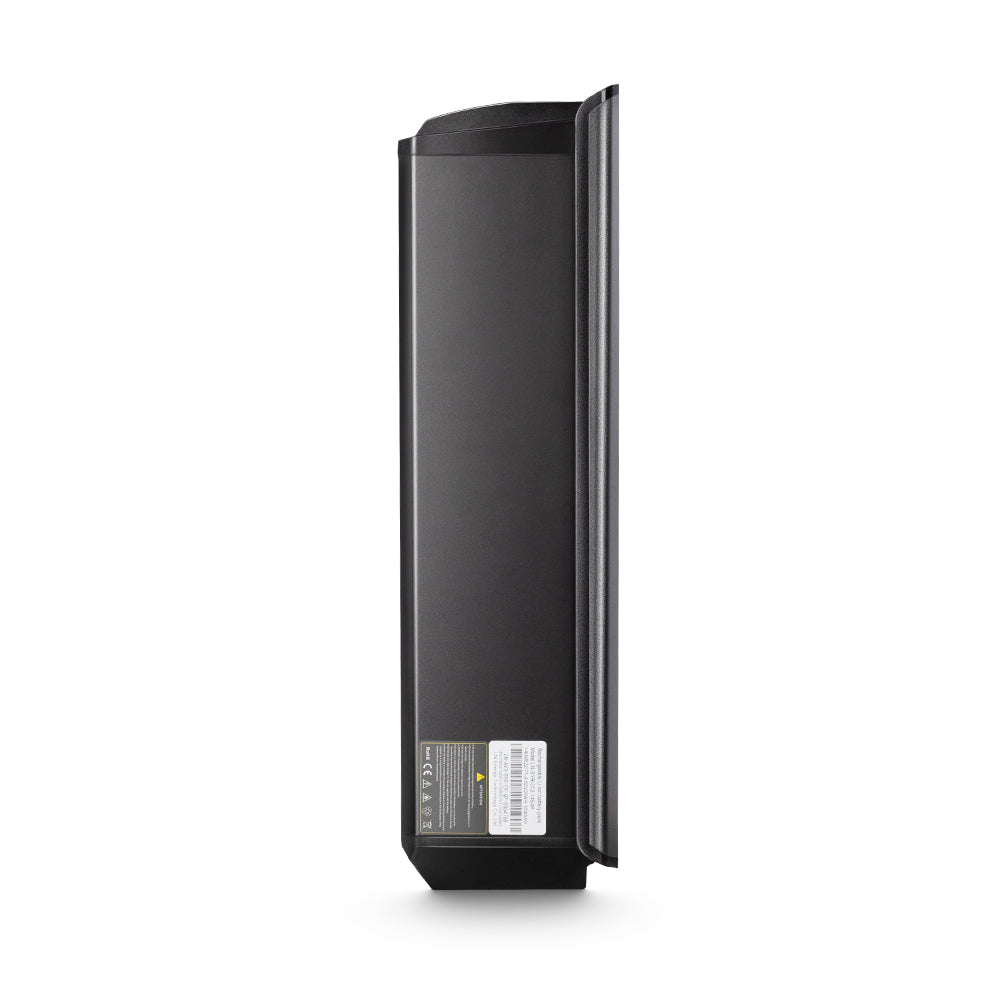
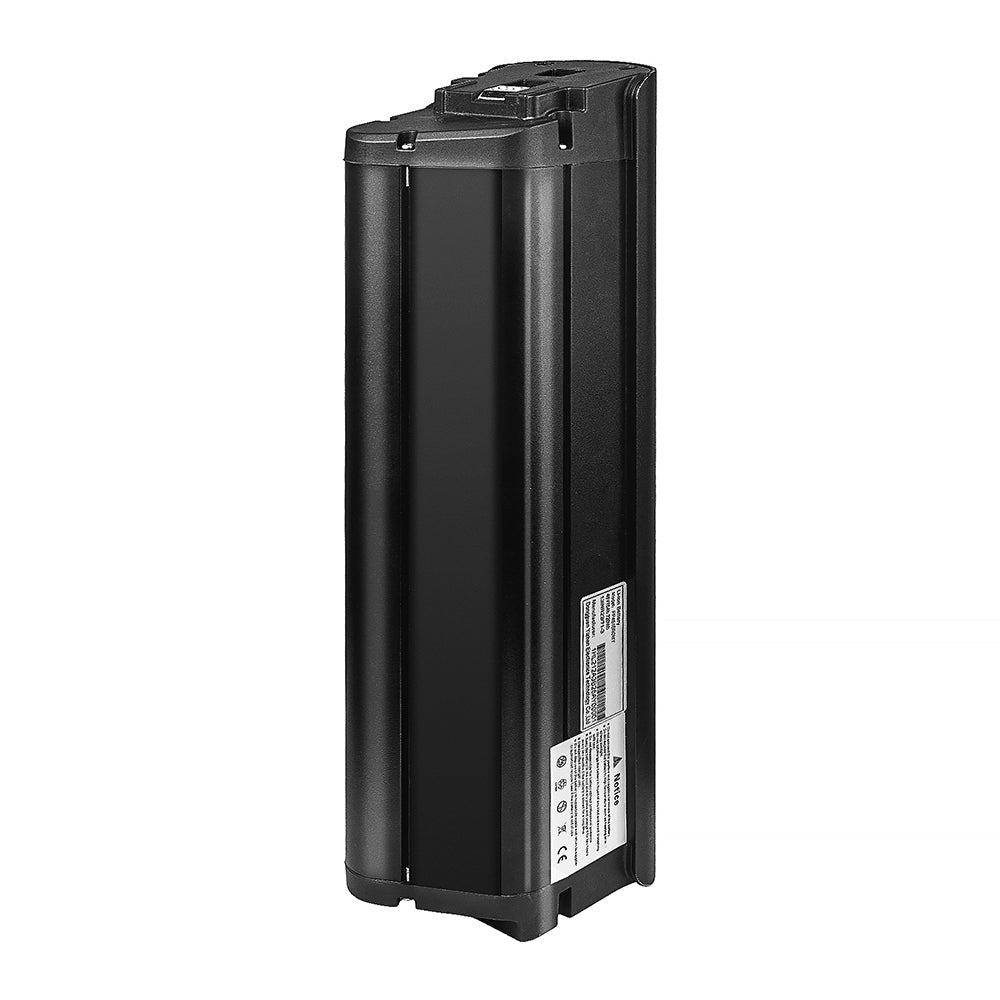
Check the battery fit. If your model has a removable battery, switch off the bike and follow the manufacturer's instructions to check that the battery is correctly fitted and locked in place. Do not force it into position, scrape the contacts or attempt to reshape electrical terminals.
Inspect visible cables. Look for obvious wear, pinching or damage, particularly around areas that may have been affected by folding, transport or recent repairs. If you find damage, do not continue powering up the bike to test it.
Record recent changes. Consider whether the display, battery, wheel or another component has recently been replaced, or whether the bike has been dropped, transported or repaired. This information can help a technician decide what to investigate next.
If the battery is also failing to charge properly, see our guide to what to check before replacing an e-bike battery that will not charge for related external checks.
These checks are not a substitute for professional diagnosis. Do not open the battery casing or controller, disconnect electrical connectors without the manufacturer's instructions, or change controller settings in an attempt to restore assistance.
When Should You Stop Riding and Arrange a Repair?
If your e-bike repeatedly loses assistance or switches off unexpectedly, do not assume the problem has been fixed simply because restarting it temporarily restores normal operation.
Stop riding and seek professional assistance if you notice any of the following:
- The battery becomes unusually hot, swells, leaks or develops a burning smell.
- Visible wiring or electrical connections are damaged.
- The bike repeatedly switches off or loses assistance without warning.
- The wheel develops unusual resistance or becomes difficult to turn, or the motor makes abnormal noises.
- Error codes keep appearing and the problem does not clear through the normal operating procedure.
- The brakes, steering or any other component directly affecting riding safety is not working properly.
If the battery is smoking, making hissing noises or showing other signs of a potentially dangerous thermal event, do not continue operating or charging it, and do not attempt to remove it. Move away from the bike and follow local emergency safety guidance.
If your e-bike repeatedly loses power while riding, do not continue using it for normal journeys simply to see whether the problem happens again. An unexpected loss of assistance can affect your stability and safety in traffic.
Whether the bike can be moved or ridden without assistance depends on its condition, the manufacturer's instructions and the surrounding conditions. If you are unsure whether it is safe to ride, walk the bike or arrange transport instead.

What Information Helps a Technician Diagnose the Problem?
Providing clear information about when and how the fault occurs is generally more useful than immediately requesting a replacement part.
|
Information to provide |
What to record |
|
Model and version |
The full model name and version |
|
Symptoms |
Whether assistance stops or the display switches off as well |
|
When it happens |
On hills, over bumps, after riding for a while or under other conditions |
|
Display behaviour |
Whether it restarts and whether any error codes or warning symbols appear |
|
Battery status |
The displayed battery level and any recent charging issues |
|
Recent changes |
Any falls, transport, folding, repairs or component replacements |
|
Whether the fault repeats |
Whether it occurs under similar conditions and whether the bike has recovered on its own |
If an error code appears and you can photograph it safely, keep a copy of the image. Do not continue riding just to capture a photo, and do not deliberately recreate the fault.
Different motor systems and displays may use different error codes. Even if two brands show similar codes, you should not assume they indicate the same fault.
If you ride a VITILAN e-bike, provide technical support with your model and version, the conditions in which the fault occurs, photos of the display and any recent repair history. This information can help the support team determine which components need further inspection, rather than replacing the battery, motor or controller without sufficient evidence.
Frequently Asked Questions
Can an e-bike keep cutting out even when the battery is fully charged?
Yes. A full battery reading does not prove that the entire power supply system is working correctly under all conditions. Battery fit, electrical connections or other electrical faults can still affect the bike's operation. If the problem keeps occurring, do not rule out a power supply issue simply because the battery appears fully charged.
Can rain or washing cause an e-bike to cut out intermittently?
If the problem starts after riding in the rain or washing the bike, record when it happened, but do not automatically assume that water ingress is the cause. Water resistance and cleaning requirements vary between models, so always follow the instructions for your specific bike.
If you notice damaged electrical components, unusual heat or error codes, do not continue powering up the bike to test it. Follow the manufacturer's safety guidance on drying, inspection and repairs. If you are unsure what to do, contact technical support.
Should I replace the battery first if my e-bike keeps cutting out?
No. Replacing the battery without a clear diagnosis is not recommended. Intermittent cut-outs can involve battery connections, the power supply, sensors or the drive system. A replacement battery may not resolve the problem and could lead to unnecessary expense.
Record the conditions in which the fault occurs, the display behaviour and any error codes. Then carry out the checks permitted by your bike's manual and contact a qualified technician if the problem persists.
Do error codes always mean the motor is faulty?
No. Error codes can relate to the power supply, sensors, communication or different parts of the drive system. Even if a code refers to the motor system, it does not automatically mean that the entire motor needs replacing.
Check the official troubleshooting information for your specific model and system. If the problem continues, contact technical support or a qualified repair technician rather than buying replacement parts based on error code information from another brand.


