










Step-Through vs Step-Over Electric Bike: Which Is Right for You?
by wangziru on Aug 26, 2026

When choosing an electric bike, people often focus on the motor, battery and range. In everyday use, however, frame design can have just as much influence on comfort and convenience, especially when getting on and off, stopping frequently or carrying everyday items.
Most electric bikes use either a Step-Through or Step-Over frame. A step-through lowers or removes the traditional high top tube, while a step-over keeps the familiar triangular frame. Neither is automatically better. The right choice depends on how and where you ride.
If you are still comparing options, browsing different types of Electric Bike can help you narrow down the frame, riding position and intended use that suit you best.
Quick Answer: Step-Through or Step-Over?
Choose a Step-Through if you value easy mounting, frequent stops, rear-rack use and everyday convenience.
Choose a Step-Over if you are comfortable with a traditional frame, prefer a classic riding feel or tend to ride more actively.
Bike fit, tyres, suspension, weight and riding conditions should also be considered.
What Is a Step-Through Electric Bike?
A Step-Through Electric Bike uses a low or open frame, allowing the rider to step through the centre rather than lift a leg over a high top tube or saddle.
That design can make daily riding easier. Commuting through traffic lights, stopping at shops, taking short trips or getting on and off several times a day all become more convenient with a lower frame.
Step-through bikes are no longer designed for one particular age group or gender. Many commuter and leisure riders choose them simply because they are easier to use.
What Is a Step-Over Electric Bike?
A Step-Over Electric Bike uses the traditional high-top-tube frame found on many road, mountain and everyday bicycles. The rider normally gets on by lifting one leg over the top tube or saddle.
For anyone already used to conventional bikes, this frame often feels familiar. It is also common on mountain and sportier electric bikes, although many step-over models are equally suitable for commuting.
Step-Through vs Step-Over Electric Bike: Key Differences
|
Feature |
Step-Through Electric Bike |
Step-Over Electric Bike |
|
Frame design |
Low or open top tube |
Traditional higher top tube |
|
Getting on and off |
Easier |
Usually requires stepping over the frame |
|
Frequent stops |
More convenient |
Requires more movement |
|
Urban commuting |
Very well suited |
Also suitable |
|
Rear rack and cargo use |
Easier to mount when loaded |
Cargo can make mounting less convenient |
|
Rider fit |
Lower standover height improves access |
More attention to standover height and inseam |
|
Traditional riding feel |
More convenience-focused |
Closer to a conventional bicycle |
Frame style alone does not determine how a bike rides. Tyres, suspension, frame geometry, handlebar position and overall size can all make a bigger difference.
Which Is Easier to Mount and Dismount?
For getting on and off, Step-Through has the clearest advantage. The lower frame reduces the need to lift your leg high, which is useful for riders who stop often.
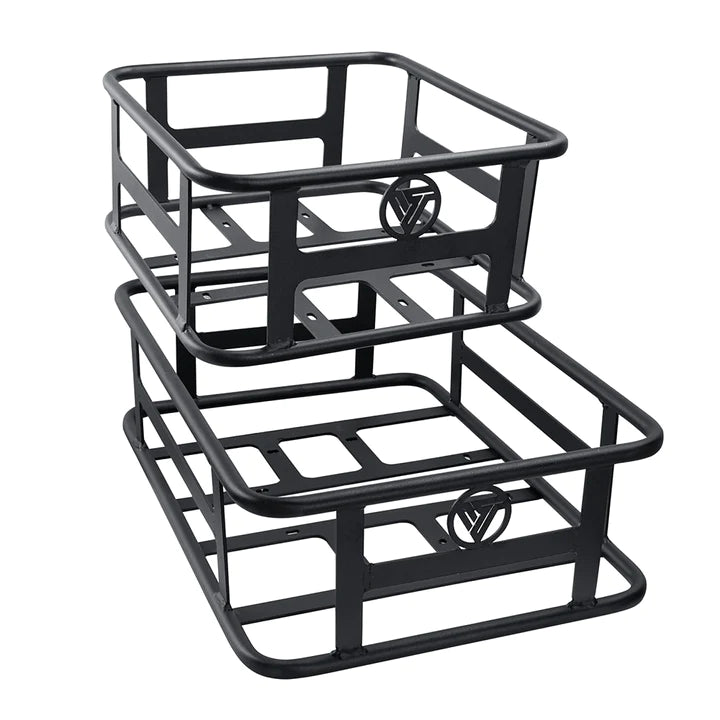
The benefit becomes even more obvious when the rear of the bike is loaded. A basket, shopping bags, panniers or a child seat can make it awkward to swing a leg over the back of a step-over bike. A step-through frame lets the rider enter through the centre instead.
On city routes with frequent traffic lights and short stops, this is a practical difference you can notice every day.
Which Is More Comfortable for Everyday Riding?
Comfort depends on the whole bike, not just the frame, but many step-through models are designed around relaxed everyday use and often have a more upright riding position.
Step-over bikes vary more widely. Some are comfortable commuter models, while others use a more forward position for sportier or off-road riding.
If most of your journeys involve city streets and relaxed rides, a step-through model may feel more convenient. Step-over options can still work well for everyday use.
What About Frame Strength and Riding Control?
A step-over frame benefits from a straightforward triangular structure. Step-through frames compensate through tube shaping, material choice and reinforcement in key areas. Modern low-step frames are designed around these structural requirements.
Frame style alone is not enough to judge strength or control. Look at the bike's construction, maximum load and intended use. On rougher terrain, suspension, tyres and handling matter more.
Which Is Better for Commuting?
Urban commuting is where Step-Through frames often feel most practical. A normal commute may include:
- Frequent stops at traffic lights
- Short everyday journeys
- Stops at shops or cafés
- Carrying a backpack or shopping
- Using a rear rack or basket
All of these involve repeated stopping, starting and mounting. A lower frame reduces the amount of movement required, especially when the bike is carrying something.
If this sounds similar to your daily routine, comparing different Step Through Electric Bike options can help. Alongside motor power and range, look at standover height, frame size, riding position and rear-rack design.
A step-over bike can still work perfectly well for commuting if your route is relatively uninterrupted and you are already comfortable with a traditional frame.

Does Rider Height and Fit Matter?
A low frame can make mounting easier, but Step-Through does not automatically mean the bike will fit every shorter rider.
Saddle height, reach, handlebar position, riding posture and overall weight still matter. A low-step model may feel awkward if the frame is too large or difficult to control when stopped.
Step-over riders should pay particular attention to standover height and inseam. Whichever frame you choose, correct sizing matters more than the frame label itself.
What About Cargo and Child Seats?
If you plan to use panniers, a child seat or heavier luggage, check the rear-rack load limit, accessory compatibility and the bike's total payload. Frame style alone does not determine whether a bike is suitable for carrying a passenger or heavy cargo.
Which Type Is Better for Different Riders?
A Step-Through may suit you if you:
- Want easier mounting and dismounting
- Make frequent stops
- Prefer not to lift your leg high over the frame
- Regularly use a rear rack or basket
- Mainly ride for commuting or leisure
- Value convenience and a relaxed experience
A Step-Over may suit you if you:
- Are comfortable with a traditional bicycle frame
- Have no difficulty stepping over a higher top tube
- Prefer a classic bicycle appearance
- Enjoy more active riding
- Want more traditional mountain or high-step frame options
VITILAN's electric bike range reflects these different riding priorities. Riders who value easy access and everyday practicality can consider low-step models, while those with different riding environments or preferences can compare other frame designs and configurations. The most useful choice is the one that fits the way you actually ride.
Frequently Asked Questions
Are step-through electric bikes less stable than step-over bikes?
Not necessarily. Stability also depends on frame geometry, tyres, suspension, weight distribution and construction. A modern step-through frame can provide the strength and control needed for its intended use.
Are step-through electric bikes suitable for taller riders?
Yes. Taller riders can use step-through bikes as long as the frame size, saddle height, reach and handlebar position are suitable. Low standover height improves access but does not replace correct bike fit.
Is a step-through or step-over eBike better for commuting?
Step-through bikes are often more convenient for frequent stops, cargo and easy mounting. Step-over bikes can be just as suitable if the route is straightforward and the rider is comfortable with a traditional frame.
Can step-through electric bikes handle rough roads?
That depends on the individual bike. Tyres, suspension, brakes, geometry and overall design are more important than frame style alone on gravel or uneven surfaces.
Does frame style affect eBike speed or range?
Not directly. Motor performance, battery capacity, total weight, tyres, assistance level, terrain and rider weight have a much greater effect on speed and range.
Final Thoughts
There is no single winner between Step-Through and Step-Over electric bikes.
If your daily riding involves frequent stops, commuting, shopping or regular use of a rear rack, the lower frame of a Step-Through can provide a clear practical advantage. If you are already comfortable with traditional bicycles and prefer the appearance and feel of a higher frame, a Step-Over remains a familiar choice.
The better question is not which frame is universally best, but which one feels easier and more natural every time you get on, stop and ride.


