















Electric Bike vs Electric Motorcycle: Which One Is Right for You?
by wangziru on Aug 25, 2026

Electric vehicles are becoming an increasingly popular choice for everyday transport. From commuting to work and running errands to weekend adventures, electric-powered mobility offers a more flexible and practical alternative to traditional vehicles.
However, many riders face the same question when choosing their next electric vehicle: should you choose an Electric Bike or an Electric Motorcycle?
Although both use electric power, they are designed for different purposes. Electric motorcycles focus more on speed, power, and longer-distance travel, while electric bikes are built around flexibility, comfort, and everyday usability.
The right choice depends on your riding habits, travel distance, budget, and the type of experience you want from your vehicle. This guide compares electric bikes and electric motorcycles across performance, cost, comfort, regulations, and real-world usage to help you make a more informed decision.
Electric Bike vs Electric Motorcycle: Quick Comparison
Before looking at the details, the table below highlights the main differences between electric bikes and electric motorcycles.
|
Comparison |
Electric Bike |
Electric Motorcycle |
|
Main purpose |
Daily commuting, leisure riding, urban travel |
Long-distance and higher-speed transport |
|
Speed |
Designed for everyday cycling needs |
Usually offers higher speeds |
|
Riding style |
Similar to a traditional bicycle |
Similar to a motorcycle |
|
Weight |
Lighter and easier to handle |
Heavier with a larger frame |
|
Storage |
Easier to store and move |
Requires more parking space |
|
Running costs |
Generally lower maintenance costs |
Higher purchase and ownership costs |
|
Best for |
Commuters, casual riders, outdoor cyclists |
Riders seeking more power and speed |
In simple terms, electric bikes are usually the more practical choice for everyday mobility, while electric motorcycles are better suited to riders who prioritise performance and distance.
What Is an Electric Bike?
An electric bike combines a traditional bicycle design with an electric motor, battery, and control system. The motor provides assistance while riding, helping reduce physical effort and making longer journeys more comfortable.
Unlike a motorcycle, an electric bike still maintains the riding experience of a bicycle. Riders can pedal, adjust assistance levels, and control their pace depending on the road conditions.
Modern electric bikes are available in many different styles, including:
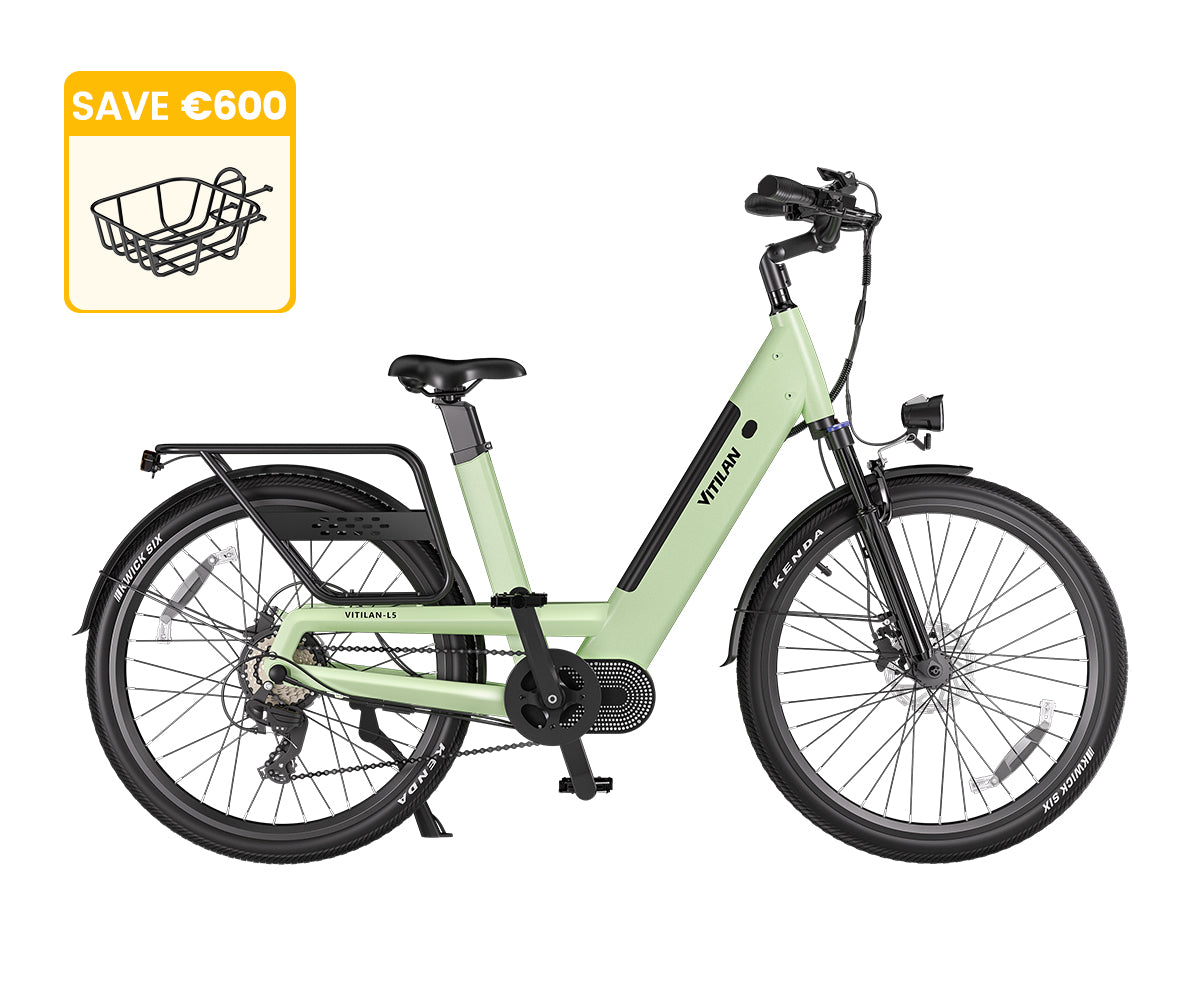
- Commuter electric bikes
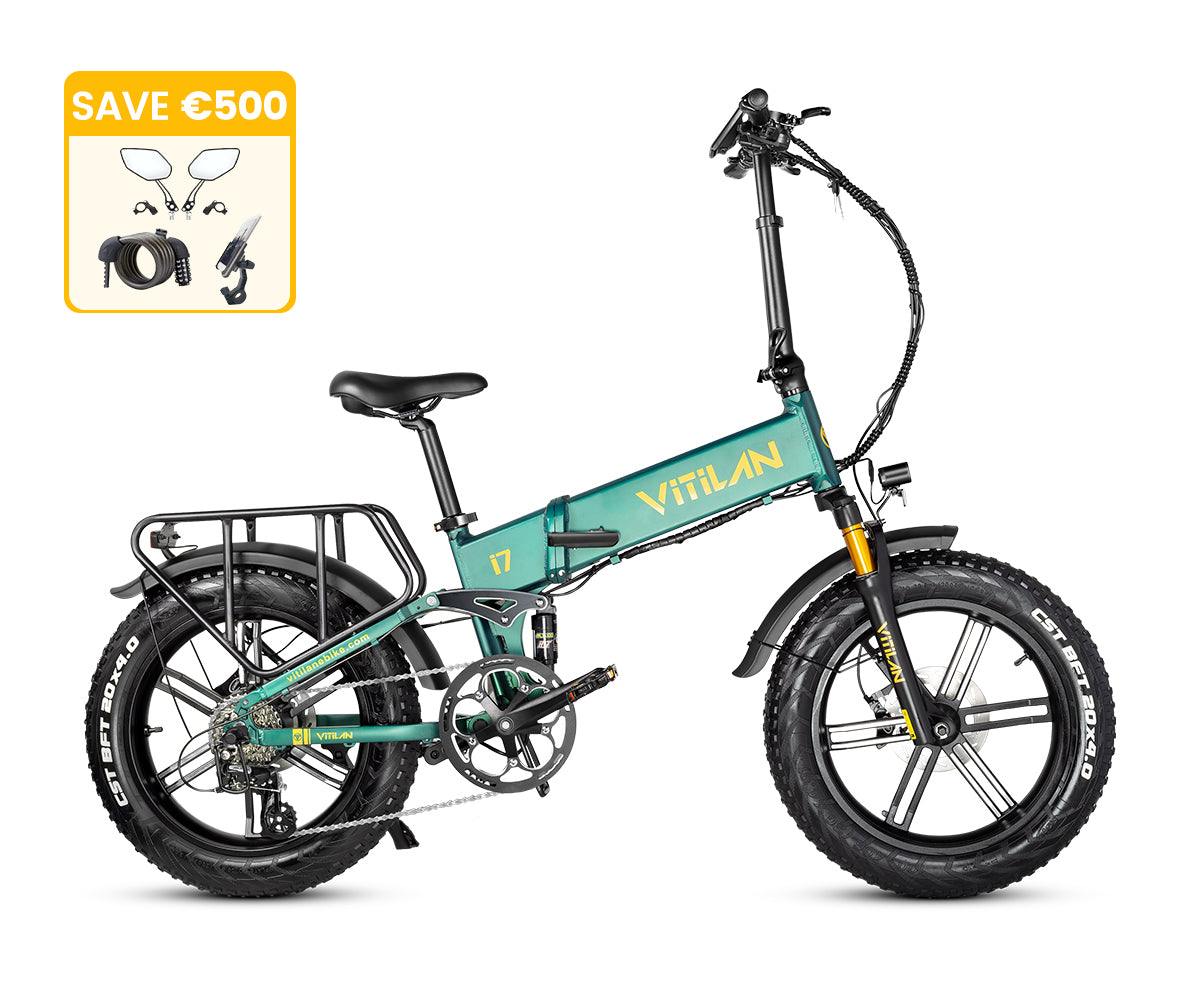
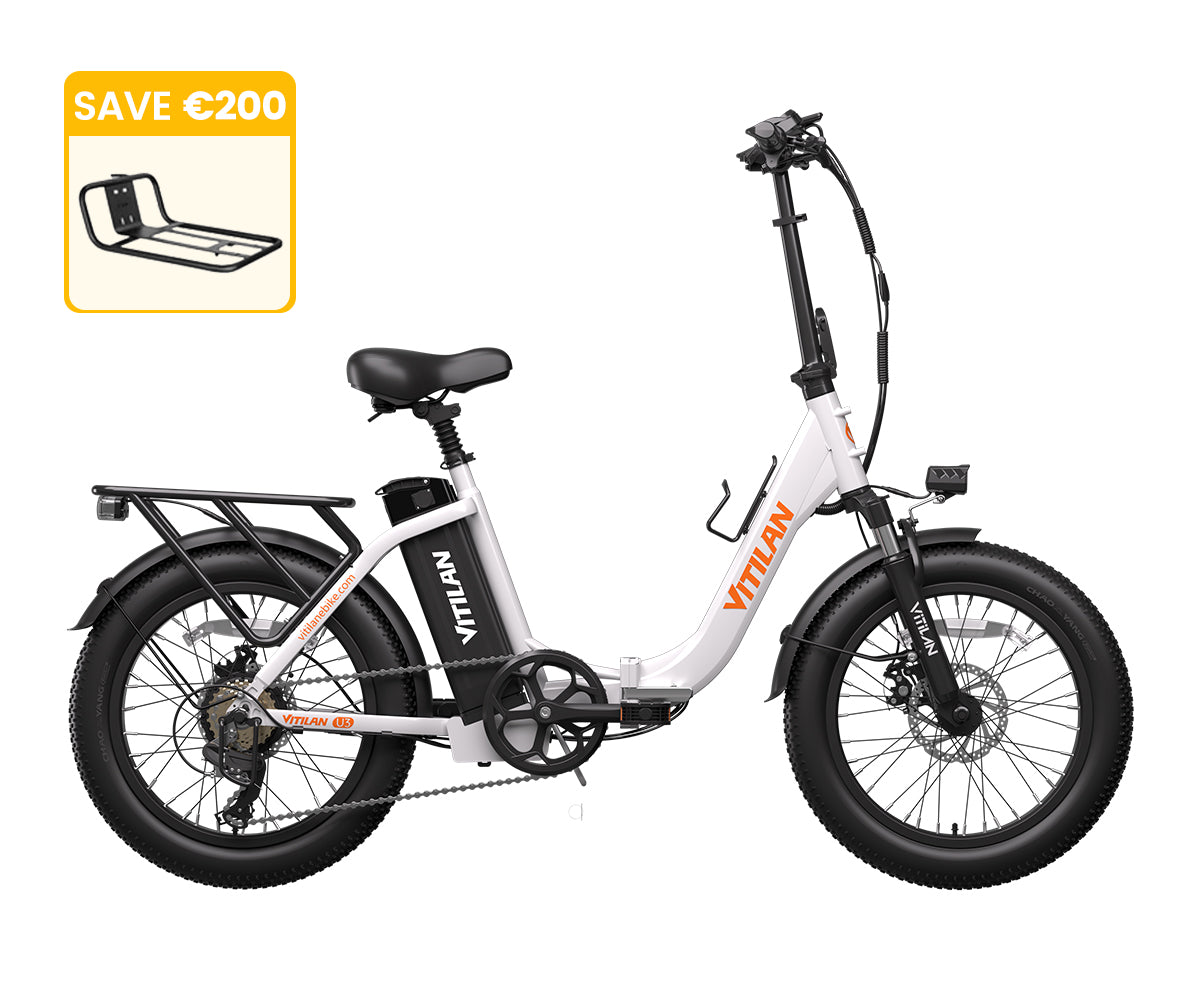
- Folding electric bikes
- Fat tyre electric bikes
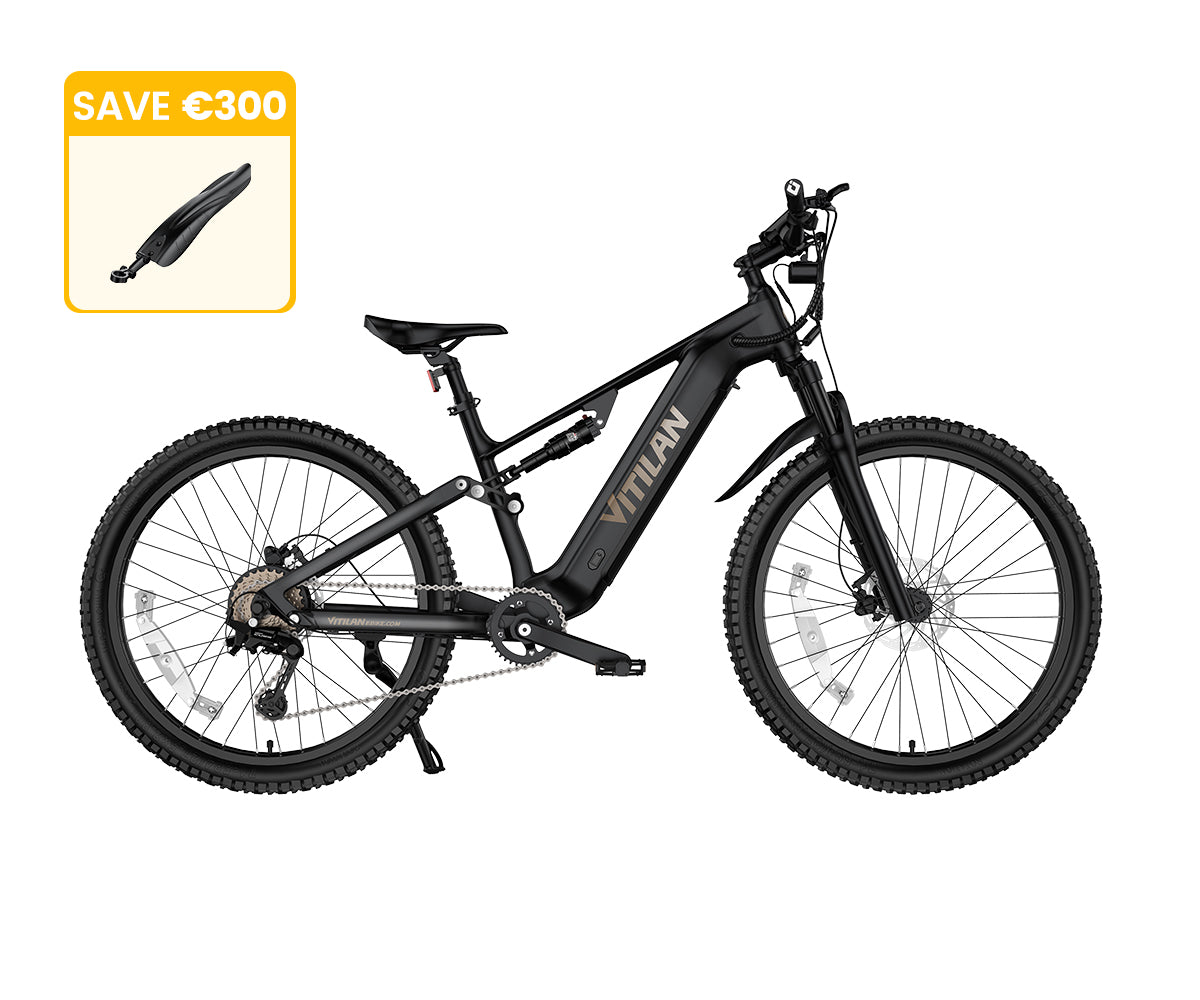
- Electric mountain bikes
- All-terrain electric bikes
Each type is designed for different riding needs. A commuter model may focus on efficiency and convenience, while an all-terrain model may provide better stability on mixed surfaces.
For riders who want one vehicle that can handle commuting, leisure rides, and outdoor exploration, an Electric Bike offers a balanced solution.
What Is an Electric Motorcycle?
An electric motorcycle is designed with a stronger motor system, larger frame, and higher-capacity battery compared with most electric bikes.
Its design is closer to a traditional motorcycle, with a focus on higher speed, stronger acceleration, and longer-distance performance.
Electric motorcycles typically offer:
- Higher power output
- Faster acceleration
- Greater carrying capacity
- Better performance for longer journeys
However, increased performance also means a heavier vehicle, larger storage requirements, and potentially stricter legal requirements.
Depending on the region, electric motorcycles may require registration, insurance, or a specific licence. Riders should always check local regulations before purchasing.
Electric Bike vs Electric Motorcycle: Key Differences
Speed and Performance
Speed is one of the biggest differences between electric bikes and electric motorcycles.
Electric motorcycles usually have more powerful motors, allowing them to achieve higher speeds and faster acceleration. This makes them suitable for riders who frequently travel longer distances or need stronger performance on open roads.
Electric bikes, however, are not designed around maximum speed. Their strength comes from balancing power, comfort, and flexibility.
For many urban riders, daily commuting, shopping, and short-distance travel do not require motorcycle-level performance. A well-designed electric bike can provide enough assistance while maintaining a more natural riding experience.
Range and Battery Capacity
Battery range is another important factor when comparing the two.
Electric motorcycles often use larger batteries, giving them an advantage for longer journeys. However, real-world range depends on more than battery size.
Factors such as:
- Riding speed
- Road conditions
- Rider weight
- Assistance level
- Weather
can all influence how far a vehicle can travel on a single charge.
For everyday commuters, choosing a battery range that matches their regular routes is usually more practical than simply choosing the largest possible battery.
Comfort and Riding Experience
Comfort plays an important role in long-term satisfaction.
Electric bikes maintain the familiar feeling of cycling, allowing riders to control their pace and choose how much assistance they need. This makes it easier to integrate into daily routines.
For riders who travel across different surfaces, stability becomes especially important.
Roads, gravel paths, park trails, and uneven terrain can all affect riding comfort.
For example, a Fat Tyre Electric Bike uses wider tyres to increase ground contact and improve grip. This design can provide greater stability and confidence when riding across mixed surfaces.
Cost and Maintenance
Cost is another area where electric bikes and electric motorcycles differ.
Electric bikes are generally more affordable to purchase and maintain. They usually require less complicated maintenance and are easier to charge at home.
Benefits of electric bikes include:
- Lower purchase cost
- Simpler maintenance
- Convenient charging
- Easier parking
Electric motorcycles usually involve higher initial costs and may require additional ownership expenses depending on local regulations.
For riders looking for an economical transport option, an electric bike is often the more practical choice.
Electric Bike vs Electric Motorcycle: Regulations and Requirements
Legal requirements are an important difference that many buyers overlook.
In many regions, electric bikes are treated similarly to bicycles, with limits on motor power and assisted speed. Electric motorcycles, due to their higher performance, may fall under different vehicle categories.
Depending on where you live, an electric motorcycle may require:
- Vehicle registration
- Insurance
- A driving licence
Because regulations vary between countries and regions, checking local requirements before purchasing is essential.
For riders who want a simpler ownership experience, electric bikes often provide easier access and fewer restrictions.
Who Should Choose an Electric Bike?
An electric bike is a strong choice for riders who value flexibility and everyday convenience.
Urban Commuters
For daily journeys to work, shopping trips, or short-distance travel, electric bikes provide an efficient way to move around cities.
They can help reduce commuting stress while avoiding the physical effort of traditional cycling.
Weekend Riders and Outdoor Explorers
Electric bikes are not limited to commuting. Many riders use them for leisure rides and exploring different environments.
Depending on the model, electric bikes can handle city streets, park paths, gravel roads, and light off-road routes.
Riders Looking for Lower Costs
Compared with cars and motorcycles, electric bikes generally offer lower running costs and easier ownership.
Who Should Choose an Electric Motorcycle?
Electric motorcycles are better suited to riders who need stronger performance.
They may be the better option if you:
- Travel long distances regularly
- Need higher speeds
- Require greater carrying capacity
- Prefer a motorcycle-style riding experience
For riders who prioritise speed and power over flexibility, an electric motorcycle may be the more suitable choice.
Frequently Asked Questions
Can an electric bike replace an electric motorcycle?
For commuting, leisure riding, and everyday transport, an electric bike can meet the needs of many riders. However, electric motorcycles are better suited for higher speeds and longer journeys.
Are electric bikes cheaper to maintain?
Generally, yes. Electric bikes have simpler designs, lower maintenance requirements, and easier charging options.
Are fat tyre electric bikes good for outdoor riding?
Yes. Wider tyres improve stability and grip, making them suitable for mixed terrain such as gravel roads, trails, and uneven surfaces.
Do electric motorcycles require a licence?
This depends on local regulations. Some regions require registration, insurance, or a licence for higher-powered electric motorcycles.
Electric Bike or Electric Motorcycle: Choose What Fits Your Lifestyle
Electric bikes and electric motorcycles are designed for different types of riders, and neither option is universally better.
Electric motorcycles are ideal for those who need more speed, power, and long-distance capability. Electric bikes, on the other hand, offer greater flexibility, affordability, and versatility for everyday riding.
For commuters, recreational riders, and those who want a vehicle that can adapt to different situations, an electric bike often provides a more balanced riding experience.
The best choice is the one that matches your daily routes, riding habits, and the role you want your electric vehicle to play in your lifestyle.


