










When choosing an electric bike, battery capacity, range and motor performance often attract the most attention. But if your routes include gravel roads, country tracks, forest paths or uneven terrain, those figures alone do not tell the whole story.
An Electric Bike designed mainly for city riding may feel very different once the surface becomes loose or rough. Tyre grip, suspension, braking control, frame fit and usable range all begin to matter more.
A good Off Road Electric Bike should therefore offer a balanced combination of traction, comfort, control and practical range rather than simply relying on one impressive specification.
What Is an Off Road Electric Bike?
An Off Road Electric Bike is generally designed for unpaved surfaces and more demanding riding conditions. This does not necessarily mean technical mountain-bike trails. Gravel roads, woodland tracks, rough country lanes and uneven paths can all benefit from an off-road-oriented design.
Electric Mountain Bikes are one common example, while some All Terrain Electric Bikes are designed for a broader mix of paved roads, gravel and outdoor routes.
The most useful starting point is not the category name, but where you actually ride. If your routes regularly leave smooth tarmac, off-road features become much more relevant.
What Should a Good Off Road Electric Bike Offer?
No single specification determines whether an off-road eBike is good. Tyres, suspension, brakes, frame design, weight and motor assistance all need to work together.
When comparing bikes, pay particular attention to:
- grip and stability on loose surfaces
- suspension and braking suited to your terrain
- enough usable range for regular routes
- comfortable frame fit and manageable weight
- smooth and predictable power assistance
Tyres for Grip and Stability
Tyres are often the first thing you notice when moving from tarmac onto gravel or loose ground. On uneven surfaces, the contact between the tyre and the ground changes constantly, making grip increasingly important.
Wider tyres can provide a larger contact area and a more planted feel, which is why many off-road and all-terrain bikes use them. However, width is not the only factor. Tread pattern, tyre pressure and the terrain itself also affect handling.
If you want a deeper explanation of wider tyres and their effect on comfort and grip, see our Fat Tyre Electric Bike Guide.
Suspension for Rougher Routes
Tyres can absorb smaller vibrations, but repeated rocks, ruts and uneven ground place greater demands on suspension.
Front suspension helps reduce impacts reaching the rider, while full suspension can provide additional comfort and control when the terrain becomes more demanding.
Not every rider needs a Full Suspension Electric Bike. Light gravel and gentler country routes may only require front suspension. Full suspension becomes more useful when rough surfaces are a regular part of your rides.
Braking Should Feel Predictable
Off-road conditions make braking less predictable than normal city riding. Gravel, wet ground, descents and bends can all affect how quickly and smoothly a bike slows down.
Strong braking is useful, but progressive control matters just as much. On loose surfaces, sudden braking can reduce stability.
When comparing brakes, consider the bike's weight, tyres and intended terrain rather than looking only at the name of the braking system.
Range Should Match Real Riding Conditions
Real-world range can change significantly when riding off road.
Climbing, loose surfaces, assistance level, temperature, rider weight and luggage all influence battery use. A shorter hilly route may use more energy than a longer flat journey.
Instead of focusing only on maximum advertised range, consider whether the battery comfortably covers your regular rides while leaving some reserve.
Frame Fit and Bike Weight Matter
Off-road riding often requires you to shift your body position. Frame geometry, handlebar reach, standover height and overall weight all affect how easy the bike is to control.
A bike with strong specifications can still feel uncomfortable if the frame does not fit properly.
Weight also matters away from the trail. A heavier eBike may feel stable while riding, but it can become inconvenient if you need to carry it upstairs, load it into a vehicle or use a bike rack.
More Power Does Not Automatically Mean Better Off-Road Performance
Off-road bikes are often marketed around motor figures, but usable power is more important than the largest number.
On gravel, steep climbs or narrow paths, riders often need smooth low-speed control. Assistance that arrives too suddenly can make the bike harder to manage.
A good system should support your pedalling naturally and remain predictable as the terrain changes.
What Matters on Different Types of Terrain?
Different surfaces place different demands on an electric bike.
|
Riding Condition |
What Matters Most |
|
Gravel Roads |
Grip, stability, comfort and usable range |
|
Forest Tracks |
Suspension, braking and control |
|
Hills |
Traction, smooth assistance and battery reserve |
|
Uneven Country Roads |
Comfort, tyres and suspension |
|
Mixed Routes |
Balance between road efficiency and off-road capability |
If gravel, country roads and mixed surfaces form a regular part of your riding, a Fat Tyre Electric Bike may also be worth considering.

Off Road Electric Bike vs Regular Electric Bike
The main difference is not that one can ride outdoors and the other cannot. Their priorities are simply different.
|
Feature |
Off Road Electric Bike |
Regular Electric Bike |
|
Terrain |
Gravel, tracks and mixed surfaces |
Mainly paved roads |
|
Tyres |
More focus on grip and stability |
More focus on rolling efficiency |
|
Suspension |
Greater emphasis on rough-road comfort |
Often simpler |
|
Handling |
Designed for changing terrain |
Focused on urban riding |
|
Typical Use |
Outdoor, leisure and mixed routes |
Commuting and city journeys |
A regular electric bike can handle occasional gravel, but if uneven surfaces appear regularly, an off-road-focused model may offer a more comfortable and controlled ride.
Should You Check Local Trail Rules?
Yes. A bike being capable of off-road riding does not mean it can be used on every forest path, nature reserve or public trail.
Access rules can vary between countries, regions and individual land managers. Some woodland routes, protected areas and private land may have restrictions on bicycles or electric bikes.
Before riding a new route, check local access rules and confirm whether your type of eBike is permitted.
Off-road capability and trail access are two separate issues.
What Should You Check Before Buying?
Start with your routes rather than the specification sheet.
If most of your riding takes place in the city with only occasional gravel, you may not need highly specialised off-road equipment. If you regularly ride hills, woodland tracks or rough country roads, tyres, suspension and braking become more important.
Before choosing a model, check:
- your most common terrain and journey distance
- how much climbing or rough ground you encounter
- whether the tyres, brakes and suspension suit those conditions
- whether the frame fits you comfortably
- whether the bike's weight works for storage and transport
If you are comparing bikes designed for gravel, outdoor routes and mixed terrain, explore Vitilan's Electric Off Road Bike range and compare each design against your own riding needs.
Think About Maintenance Too
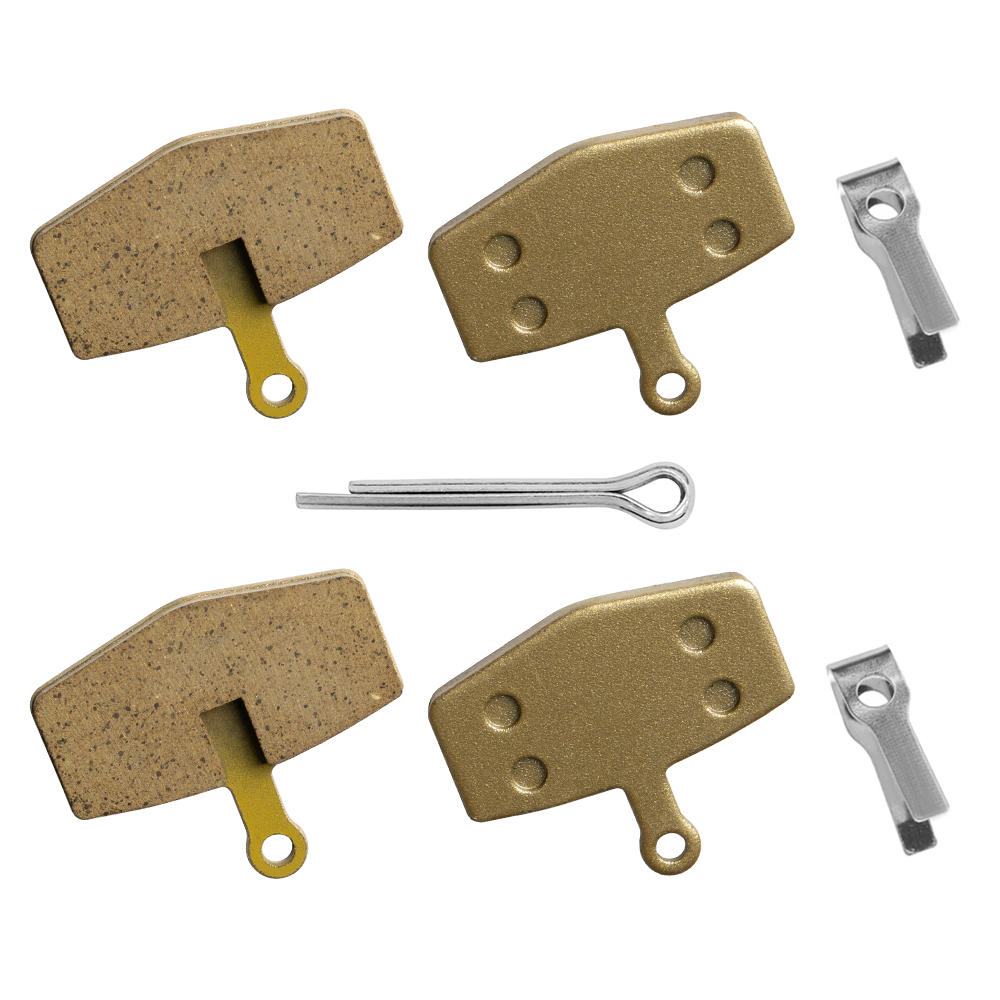
Off-road riding can expose tyres, brake pads and drivetrain parts to more dirt, vibration and wear.
Before buying, it is worth checking whether common replacement parts are easy to obtain and whether support is available for the battery, display and other electrical components.
A bike that performs well but is difficult to maintain can quickly become less convenient over time.
A Practical Off Road Electric Bike Example
Once you understand what to look for, individual models become easier to evaluate.
The Vitilan T7 PRO can be considered as one example of an off-road-oriented electric bike.
Rather than focusing on one headline specification, look at how the tyres, suspension, braking, frame and intended use work together. The most important question is whether the bike matches the routes you actually ride.
Frequently Asked Questions
Can an Off Road Electric Bike Be Used for Commuting?
Yes. It can work well if your commute includes gravel, poor road surfaces or country lanes. For short journeys on smooth roads, a lighter commuter bike may be more convenient.
Does an Off Road Electric Bike Need Full Suspension?
Not always. Front suspension may be enough for light gravel and ordinary country roads. Full suspension becomes more useful as terrain gets rougher.
Are Fat Tyres Better for Off-Road Riding?
They can provide more contact with the ground and a stable riding feel on loose surfaces, but tread pattern, tyre pressure and overall bike design also matter.
How Much Range Does an Off Road Electric Bike Need?
There is no single ideal figure. Your route distance, climbing, rider weight, assistance level and terrain all affect real-world range.
Can You Ride an Off Road Electric Bike on Any Trail?
No. Trail access rules vary by location, so always check local regulations before planning a new off-road route.
What Is the Difference Between an Off Road Electric Bike and an Electric Mountain Bike?
An Electric Mountain Bike is usually designed more specifically for mountain and trail riding. Off Road Electric Bike is a broader term that can also include all-terrain and mixed-surface models.
Conclusion
A good Off Road Electric Bike is not defined by the biggest motor figure or the widest tyres.
Start with where you ride. Then consider grip, suspension, braking, usable range, frame fit, weight and long-term maintenance.
If your routes regularly move between paved roads, gravel, country lanes and outdoor tracks, a well-designed off-road electric bike can give you more freedom without forcing you to choose a different bike for every surface.
The best option is not necessarily the one with the highest specifications, but the one that feels comfortable, controllable and practical on the routes you ride most often.


