










How to Prepare for Winter E-Bike Riding: Gear, Road Conditions and Essential Bike Checks
by wangziru on Nov 03, 2026

Winter is no reason to stop riding an electric bike. Whether you use your e-bike for everyday journeys, weekend rides or outdoor adventures, colder temperatures, rain, slippery surfaces and shorter daylight hours bring new challenges. Preparing the right clothing, checking your bike and adapting your riding style can make winter cycling more comfortable and safer.
How Is Winter E-Bike Riding Different from Other Seasons?
One of the biggest differences when riding in winter is the changing condition of the roads and trails. A dry tarmac surface in summer can remain wet for much of the winter, while fallen leaves, mud and rainwater can make otherwise familiar routes more difficult to navigate.
Wet leaves are particularly easy to underestimate, especially around bends and along the edges of paths. They can hide puddles, loose stones and uneven surfaces underneath. Taking a corner at your usual summer speed can cause your tyres to lose grip unexpectedly.
Daylight is another important consideration.
Early morning rides may begin before sunrise, while afternoon journeys can finish in fading light. Combined with overcast skies and rain, this makes it harder for other road users to see cyclists.
|
Winter condition |
Potential impact on riding |
|
Wet tarmac |
Reduced grip and potentially longer stopping distances |
|
Wet leaves and mud |
Increased risk of slipping and hidden surface hazards |
|
Low temperatures and wind |
Reduced finger dexterity and discomfort on longer rides |
|
Frost and ice |
Significantly reduced tyre grip and more difficult handling |
|
Shorter daylight hours |
Greater need for effective lights and reflective clothing |
Winter also puts more emphasis on routine bike maintenance. Rainwater and road debris can accumulate around the chain, brakes and frame connections. If your bike is regularly used in wet conditions without proper cleaning, drivetrain wear and corrosion may become more noticeable.
Winter riding is therefore about more than simply wearing extra layers. It requires a different approach to clothing, bike maintenance and handling changing road conditions.
What Gear Should You Wear for Winter E-Bike Riding?
The most important thing about winter cycling clothing is that it should keep you warm without restricting movement or control.
One common mistake is wearing too many heavy layers. Once you start riding, you may find that your fingers cannot move freely, your jacket restricts your movement or you begin sweating more than expected. When you stop, damp clothing can quickly make you feel colder.
A better approach is to dress in layers rather than relying on one thick jacket.
Layering: Stay Warm Without Overheating
A practical winter cycling outfit usually consists of three layers:
- Base layer: Choose moisture-wicking, quick-drying materials to help move sweat away from your skin.
- Mid-layer: Use fleece or another insulating layer to retain body heat, adjusting the thickness to the temperature.
- Outer layer: Wear a windproof and waterproof jacket to protect yourself from cold air and rain.
There is one detail that is easy to overlook: avoid dressing too warmly before setting off.
Your body generates heat while riding. If you already feel very warm before leaving, you may start sweating within the first few minutes. When you encounter cold wind or stop for a break, damp clothing can make you lose heat more quickly.
For this reason, adjustable layers are usually more practical than one heavily insulated outfit.
Why Cycling Gloves Matter More Than You Think
For e-bike riders, gloves are not just about keeping your hands warm. They also affect how comfortably and accurately you operate the brakes and gears.
When choosing winter cycling gloves, look for three things:
- A non-slip palm for a secure grip on the handlebars.
- Enough finger flexibility to operate the brake levers naturally.
- Materials that remain practical to handle in damp conditions.
A common problem is choosing particularly thick ski gloves for cycling. They may provide plenty of warmth, but the extra bulk can restrict finger movement and make it harder to operate the brake levers quickly and accurately.
The best winter cycling gloves are warm enough for the conditions while still allowing you to control the bike comfortably.
Shoes, Helmets and Eye Protection
Footwear is another part of winter riding that should not be overlooked. Cold air can gradually make your feet uncomfortable, while wet shoes and socks can make longer rides particularly unpleasant.
Consider insulated socks, waterproof shoes or waterproof overshoes.
A properly fitted cycling helmet should always be worn. In colder weather, a thin thermal cycling cap or helmet-compatible balaclava can provide extra warmth, but it should never interfere with the helmet's fit.
For longer rides on country roads or outdoor trails, cycling glasses are also worth considering. They help protect your eyes from cold wind, rain and road debris.
Reflective Gear Is Not Just for Night Riding
During winter, even daytime riding can take place in poor visibility, particularly in overcast or rainy conditions.
Choose jackets, waistcoats or backpacks with reflective details, and make sure your front and rear lights are working properly.
For anyone regularly riding on public roads, being visible to other road users is a basic part of winter cycling preparation.
What Should You Check on Your E-Bike Before Riding in Winter?
Before a winter ride, prioritise four areas: tyres, brakes, drivetrain and lights.
These components have a direct influence on how your bike handles, and checking them does not take long.
Tyres: Check More Than Just the Pressure
Start by checking the tread for excessive wear, cracks, bulges or embedded debris. Then make sure the tyre pressure is within the range recommended by the tyre and bike manufacturer.
Some riders assume that lowering tyre pressure as much as possible is better in winter because it can increase the contact area between the tyre and the ground.
However, this is not a universal rule.
Tyres that are underinflated can deform more than intended, affect steering response and increase the risk of damage to the rim when riding over bumps. On everyday paved roads, excessively low pressure can create more problems than it solves.
Instead, adjust tyre pressure according to the tyre specifications, rider weight, additional load and the surfaces you regularly ride on. Do not simply let air out because it is winter.
Brakes: Check Them Before the Wet Weather Arrives
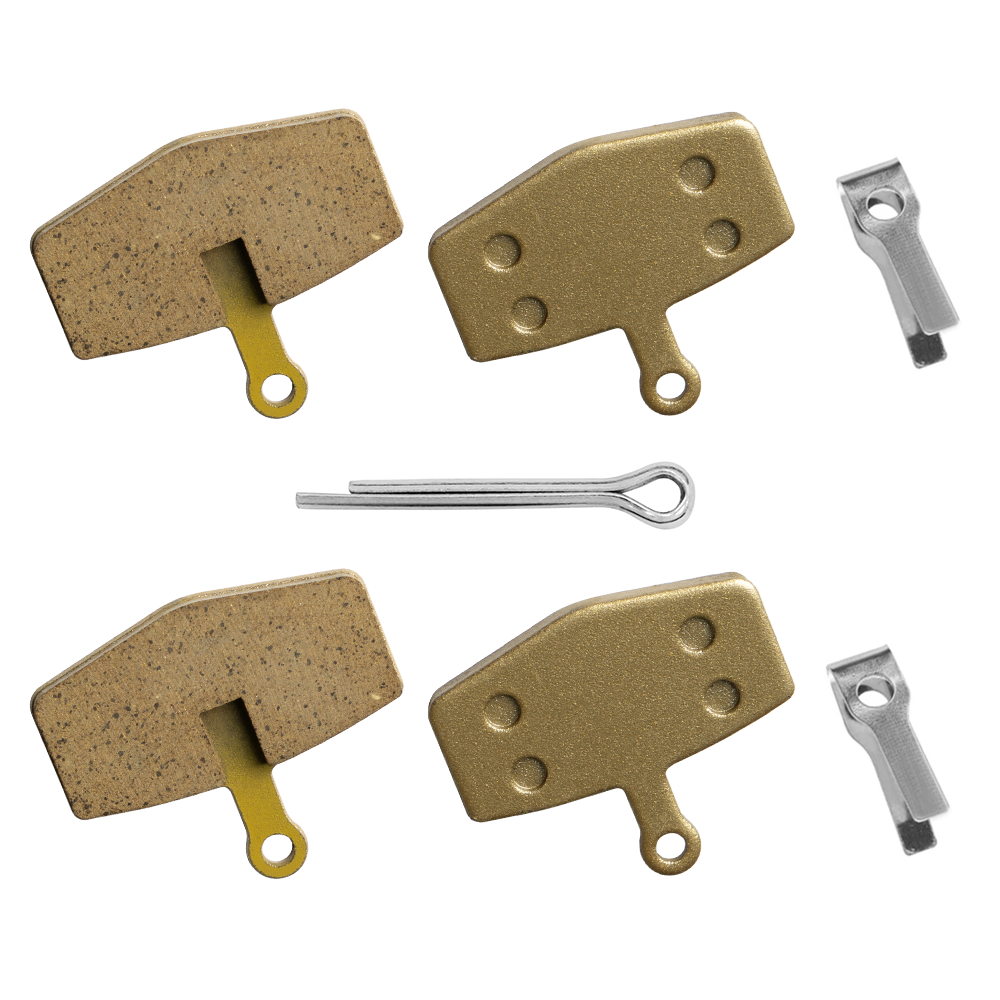
Wet conditions can affect how your braking system performs. After prolonged exposure to rain, moisture and road dirt may collect around the brake discs and pads, changing the braking feel compared with dry conditions.
Before setting off, check:
- Whether the brake pads are excessively worn.
- Whether the brake discs show signs of damage or warping.
- Whether the brake levers feel firm and consistent.
- Whether both front and rear brakes work properly.
If a brake lever feels unusually soft, braking power has noticeably decreased or the brake disc continues to make unusual noises, do not set off on a long ride without investigating the problem.
After riding in the rain, water may remain on the brake discs. Before setting off again, test the brakes at low speed in a safe area. Do not wait until you reach a junction or descent to discover that braking performance has changed.
For more detailed advice on how different weather conditions can affect braking, read our guide to adjusting e-bike brakes in different weather conditions.

Chain and Gears: Keep the Drivetrain Clean
If you regularly ride after rainfall, dirt and moisture can quickly build up on the chain.
Over time, this can contribute to corrosion, unusual noises and less reliable gear shifting.
Check the chain regularly, remove accumulated dirt and use a suitable bicycle chain lubricant when needed.
Keep lubricant away from the brake discs and pads, as contamination can affect braking performance.
Lights and Other Fittings
Winter rides often take place in poor light, so always check that your front and rear lights are working before setting off.
It is also worth checking that the wheels, handlebars, seat post and other key components are securely fitted. This is particularly important if you regularly ride on gravel or uneven surfaces.
How Should You Ride on Wet Roads, Leaves and Slippery Surfaces?
This is one of the most important aspects of winter cycling to understand.
Many riding problems are not caused by inadequate bike equipment, but by making the wrong move at the wrong time. Braking suddenly on a slippery bend or swerving sharply to avoid a puddle are common examples.
Different surfaces call for different riding techniques.
Wet Tarmac: Slow Down Before You Need to Brake
When it first starts raining, dust, oil and water on the road can combine to make certain surfaces particularly slippery.
Pay special attention to:
- White road markings.
- Metal manhole covers and drain covers.
- Smooth surfaces around junctions.
- Potholes hidden by standing water.
Consider a common riding situation: you approach a junction after rainfall and the vehicle ahead suddenly slows down. Your instinct may be to squeeze the brakes quickly. However, if your front tyre is crossing a wet road marking at the same time, sudden braking combined with steering input can make the bike unstable.
A better approach is to read the road ahead and reduce speed before reaching the junction. Keep the bike as upright as possible and leave more room for braking.
If you need to cross a metal cover or painted road marking, maintain a steady line and avoid sudden steering or braking while passing over it.
Wet Leaves: One of Winter's Most Overlooked Hazards
Fallen leaves are common on park paths, country lanes and woodland trails.
The problem is that the surface beneath them is not always clean tarmac. Wet mud, puddles, loose stones and even potholes may be hidden underneath.
Imagine approaching a seemingly smooth bend covered with wet leaves. If you lean into the corner at your usual speed, your tyres may suddenly lose grip as they pass over the slippery surface.
To reduce the risk:
- Slow down before entering the bend.
- Avoid sudden braking on wet leaves.
- Do not make sharp steering movements.
- Choose a clearer, more predictable line whenever possible.
If the leaves are thick enough to hide the underlying surface, slow down considerably or get off and walk the bike rather than riding blindly through them.
Mud and Gravel: Smooth Riding Matters More Than Speed
Winter outdoor routes may include muddy paths, wet grass, loose gravel and uneven ground.
On these surfaces, sudden acceleration, hard braking and sharp changes of direction increase the risk of losing control.
Keep your pedalling steady, look ahead and avoid deep mud, loose stones and obvious holes whenever possible.
Fat tyre e-bikes can offer advantages on certain loose or uneven surfaces. Their wider tyres provide a larger contact area and can contribute to a more stable, comfortable ride in some conditions.
However, a wider tyre is not a solution to every surface.
For example, models such as the T7 Pro and M5 combine wide tyres with suspension features that can make gravel paths and uneven outdoor routes more comfortable. However, these features cannot eliminate the loss of grip caused by wet mud or ice.
If your regular routes include gravel paths, country lanes or loose surfaces, explore the VITILAN Fat Tyre Electric Bike collection to see the different configurations available for outdoor riding.
Icy Roads: Do Not Try to Prove Your Riding Skills
Here is one point where I would give a clear recommendation: if you encounter obvious ice, avoid continuing to ride.
Bridges in the early morning, roads in shaded areas and surfaces that receive little direct sunlight can develop thin layers of ice that are difficult to spot.
Ordinary fat tyres cannot guarantee sufficient grip on ice. Even reducing tyre pressure does not turn a standard e-bike into a dedicated winter or snow bike.
If you cannot avoid an icy section, get off and walk the bike or choose another route.
How Should You Prepare for Different Types of Winter Riding?
Winter riding is not limited to commuting. Weekend leisure rides, outdoor exploration and longer journeys all call for slightly different preparation.
|
Riding situation |
What to prepare |
What to watch out for |
|
Short everyday journeys |
Warm clothing, lights and waterproof gear |
Junctions, vehicles and pedestrians |
|
Weekend leisure rides |
Layered clothing, gloves and water |
Changing weather and return time |
|
Off-road riding |
Suitable tyres, tools and eye protection |
Mud, leaves and icy surfaces |
|
Long-distance rides |
Spare clothing, tools and refreshments |
Weather forecasts, rest stops and daylight |
|
City shopping trips |
Rain protection and reflective accessories |
Parking locations and bike security |
Short Everyday Journeys
If you are only riding to a nearby shop, workplace or another local destination, you do not need to carry a large amount of equipment.
However, lights, reflective accessories and weather-appropriate clothing should always be part of your preparation. Particularly during early mornings and late afternoons, making sure other road users can see you is more important than carrying a large repair kit.
Weekend Leisure Rides
Weekend rides are often more likely to involve changes of route than everyday journeys.
For example, you might originally plan to follow a park path but decide to take a country lane along the way. Weather, surface conditions and your return time can all affect the experience.
Check the forecast before setting off, carry a lightweight waterproof jacket and keep track of your planned return time. Do not let a sudden change in weather catch you unprepared.
Off-Road Riding
For riders who enjoy woodland trails, gravel paths and country routes, surface conditions deserve particular attention during winter.
If your route takes you away from populated areas, carry basic repair tools, understand the difficulty of the route and avoid deep mud or icy sections that you cannot safely navigate.
Suspension and wider tyres can improve comfort and control on certain outdoor surfaces, but they cannot replace good judgement when assessing the terrain.
If you regularly explore woodland trails, gravel paths and mixed terrain, you can also browse the VITILAN Electric Off-Road Bike collection to explore bikes designed for outdoor riding.
Long-Distance Rides
Long-distance winter rides require more planning than summer journeys.
One practical point is not to base your departure time solely on the distance shown on a map.
For example, a route that takes two hours in summer may take considerably longer in winter due to colder temperatures, rain, slippery surfaces and additional breaks.
Before setting off, consider:
- The weather forecast for the entire journey.
- Sunset time and your expected return time.
- Places to stop and get refreshments along the route.
- Whether you have enough spare warm clothing.
- Whether the route includes areas prone to flooding or ice.
One of the worst decisions you can make during a winter ride is to ignore changing weather conditions simply to complete your original route.
How to Look After Your E-Bike After a Winter Ride

Cleaning your e-bike after winter rides is particularly important if you regularly travel through rain or muddy conditions.
Mud and moisture left on the frame, chain and metal connections can contribute to corrosion and wear. Rather than waiting for unusual noises or shifting problems to appear, make a quick clean part of your routine after riding in wet or muddy conditions.
Clean the Frame and Tyres First
Use suitable bicycle cleaning equipment to remove mud and dirt from the frame, tyres and mudguards.
Pay particular attention to the areas around the wheels, chain and drivetrain. Avoid using a high-pressure washer directly on electrical connections, bearings or other sealed components.
Dry Areas Where Water Can Collect
After cleaning, use a dry cloth to wipe down the frame and areas where moisture may accumulate.
Pay particular attention to bolt connections, frame joints and exposed metal components. These should not remain wet for extended periods.
Check the Chain and Brakes
If you have ridden for an extended period in heavy rain or muddy conditions, check whether the chain needs cleaning and lubrication.
Also inspect the brake pads and discs for visible debris or damage. Remember that lubricant must never come into contact with brake discs or pads, as this can affect braking performance.
If you notice significant tyre wear, sidewall damage or bulges, do not ignore them. Our guide to the warning signs that indicate when to replace e-bike tyres explains the common signs to look for.
Store Your Bike in a Dry Environment
Whenever possible, keep your e-bike in a dry, well-ventilated indoor space.
If the bike has just been exposed to rain or snow, do not immediately cover it with a waterproof cover and leave it for an extended period. Remove visible moisture and allow the bike to dry before storing it.
Winter E-Bike Riding Checklist
For occasional riders, carrying too much equipment is unnecessary. However, if you regularly ride outdoors or cover longer distances, having a standard checklist helps prevent important items from being forgotten.
|
Item |
Main purpose |
Recommendation |
|
Windproof and waterproof jacket |
Protection from cold wind and rain |
Recommended |
|
Warm cycling gloves |
Keep hands warm while maintaining control |
Recommended |
|
Helmet |
Head protection |
Essential |
|
Front and rear lights |
Improve visibility |
Essential |
|
Reflective accessories |
Improve visibility in poor light |
Recommended |
|
Waterproof shoes or overshoes |
Keep feet dry |
Recommended |
|
Portable repair tools |
Deal with basic mechanical problems |
Recommended for outdoor rides |
|
Phone and navigation |
Route planning and emergency contact |
Recommended |
|
Water and light refreshments |
Support longer rides |
Recommended for longer journeys |
|
Spare warm clothing |
Prepare for changing weather |
Recommended for longer journeys |
You can keep things simple for short journeys, while weekend outdoor rides and longer routes call for more thorough preparation.
Frequently Asked Questions About Winter E-Bike Riding
Is it safe to ride an electric bike in winter?
Yes, provided the weather and road conditions are suitable. Make sure your bike is properly maintained, wear appropriate clothing and adjust your speed to the surface conditions. Avoid riding on roads that are visibly covered in ice.
Can you ride an electric bike in the rain?
Most e-bikes are designed to handle normal outdoor conditions and some exposure to rain, but this does not mean they are completely waterproof. Always follow the manufacturer's stated water-resistance rating and care instructions. Avoid submerging the bike in water or using a high-pressure washer on electrical components. Clean and dry the bike after wet-weather rides.
Are fat tyre e-bikes better for winter riding?
Fat tyres can be useful on certain loose and uneven surfaces. Their wider profile provides a larger contact area and can offer a more stable feel on gravel and some muddy routes. However, tyre width does not guarantee better grip on every surface, particularly ice. Tread design, tyre pressure, rubber compound and riding technique all matter.
What should I wear when riding an e-bike in winter?
A layered clothing system is a practical choice. Start with a moisture-wicking base layer, add an insulating mid-layer and finish with a windproof and waterproof outer layer. Suitable cycling gloves, waterproof footwear and a helmet-compatible thermal cap can also make longer winter rides more comfortable.
Can you ride an electric bike on icy roads?
It is not recommended. Even a thin layer of ice can make steering and braking difficult to control. Ordinary fat tyres cannot guarantee sufficient grip on icy surfaces. If you encounter ice, choose another route or get off and walk your bike.


