










V7 vs. I7 Pro: Welches faltbare Elektrofahrrad ist das richtige für Sie?
von {{ author }} wangziru an Sep 04, 2026

Wenn Sie zwischen dem Vitilan V7 und dem I7 Pro 3.0 wählen, kann es auf den ersten Blick schwierig sein, zu erkennen, welches Modell besser zu Ihren Bedürfnissen passt. Beide verfügen über einen klappbaren Rahmen, 20 × 4-Zoll-Breitreifen sowie Vorder- und Hinterradfederung. Auch ihre Gesamtabmessungen und der vorgesehene Einsatzzweck sind recht ähnlich.
Die wirklich wichtigen Unterschiede finden sich bei der Federgabel, der Schaltung, dem Akku, dem Display und bestimmten Bedienelementen. Statt einfach zu fragen, welches Fahrrad die „bessere Ausstattung“ hat, ist es sinnvoller, über Ihren täglichen Arbeitsweg, die Straßen, auf denen Sie normalerweise fahren, und die Funktionen nachzudenken, die Sie tatsächlich nutzen werden.
V7 vs. I7 Pro: Schneller Vergleich
|
Merkmal |
V7 |
I7 Pro 3.0 |
|
Fahrraddesign |
Klappbar + Vollfederung |
Klappbar + Vollfederung |
|
Reifen |
20 × 4-Zoll-Breitreifen |
20 × 4-Zoll-Breitreifen |
|
Federgabel |
Hydraulische Federgabel |
Luftfedergabel |
|
Schaltung |
Shimano 7-Gang |
Shimano 8-Gang |
|
Akku |
48-V-20-Ah-Lithium-Akku |
48-V-20-Ah-Lithium-Akku von Samsung/LG |
|
Display |
81F-Display |
Intelligentes Multifunktionsdisplay |
|
Gasgriff |
Drehgriff-Gas |
Daumengas |
|
Faltmaße |
Ca. 38,6 × 22 × 31,5 Zoll |
Ca. 38,6 × 22 × 31,5 Zoll |
|
Fahrradgewicht |
Ca. 78 lbs |
Ca. 78 lbs |
Die beiden Modelle sind hinsichtlich Faltmaß, Gewicht und Reifenspezifikation sehr ähnlich. Das V7 verfügt derzeit über eine Shimano-7-Gang-Schaltung, eine hydraulische Federgabel, ein 81F-Display und einen 48-V-20-Ah-Lithium-Akku, während das I7 Pro 3.0 eine Shimano-8-Gang-Schaltung, eine Luftfedergabel, ein Multifunktionsdisplay und einen 48-V-20-Ah-Lithium-Akku von Samsung/LG verwendet.
Die beiden Fahrräder haben insgesamt einen sehr ähnlichen Einsatzzweck
Weder das V7 noch das I7 Pro wurde in erster Linie darauf ausgelegt, im gefalteten Zustand möglichst leicht oder kompakt zu sein. Die 20 × 4-Zoll-Breitreifen, die klappbaren Rahmen sowie die Vorder- und Hinterradfederung legen mehr Wert auf eine ausgewogene Kombination aus komfortablem Fahren und einfacherem Verstauen.
Damit eignen sich beide Fahrräder für den täglichen Arbeitsweg in der Stadt. Die breiten Reifen und die Federung können dabei auf Straßenfugen, unebenen Oberflächen und raueren Abschnitten befestigter Straßen hilfreich sein. An Wochenenden können sie je nach örtlichen Bedingungen auch auf Parkwegen und geeigneten leichten Schotterwegen genutzt werden.
Wenn Sie noch überlegen, ob ein Tiefeinsteigerrahmen oder ein faltbares Design besser zu Ihrem Alltag passt, kann unser Ratgeber zu Tiefeinsteiger- vs. faltbares E-Bike Ihnen helfen, den Fahrradtyp festzulegen, bevor Sie einzelne Modelle vergleichen.
Wenn du bereits weißt, dass du ein faltbares E-Bike mit Fatbike-Reifen möchtest, ist die wichtigere Frage, welche Konfiguration des V7 und des I7 Pro besser zu deiner Fahrweise passt.
Die Federgabel ist einer der auffälligsten Unterschiede
Der V7 verwendet eine hydraulische Federgabel, während der I7 Pro 3.0 mit einer Luftfedergabel ausgestattet ist.
Das sollte nicht einfach als „Eine Luftfedergabel ist immer besser“ verstanden werden.
Wenn du hauptsächlich auf Stadtstraßen, Radwegen und befestigten Straßen mit gelegentlichen holprigen Abschnitten fährst, ist die wichtigere Frage, ob das gesamte Federungssystem die Stabilität und den Komfort bietet, die du für das tägliche Fahren benötigst.
Wenn deine Strecken abwechslungsreicher sind und du die besonderen Eigenschaften einer Luftfedergabel gezielt schätzt, könnte der I7 Pro die attraktivere Option sein.
Der V7 behält das vollgefederte Fahrwerk bei, verwendet jedoch eine Hydraulikgabel. Damit ist er eine praktische Wahl für Fahrer, die für den alltäglichen Komfort eine Federung wünschen, ohne eine Luftfedergabel als unverzichtbar anzusehen.

Shimano 7-Gang vs. 8-Gang: Wie groß ist der Unterschied?
Der V7 ist mit einem 7-Gang-Antrieb von Shimano ausgestattet, während der I7 Pro 3.0 eine 8-Gang-Schaltung von Shimano verwendet.
Ein zusätzlicher Gang sorgt nicht für ein völlig anderes Fahrerlebnis. Er bietet vor allem eine etwas feinere Auswahl an mechanischen Übersetzungen.
Wenn deine übliche Strecke überwiegend aus flachen Straßen und typischen Steigungen im Stadtverkehr besteht, sollten sieben Gänge für die meisten täglichen Pendelfahrten und Freizeittouren ausreichen. Für Fahrer mit weitgehend gleichbleibenden Strecken dürfte dieser Unterschied allein kaum die Wahl eines Modells gegenüber dem anderen rechtfertigen.
Wenn deine Fahrten unterschiedlichere Steigungen umfassen oder du deine mechanischen Gänge regelmäßig an verschiedene Straßen anpasst, bietet der 8-Gang-Antrieb des I7 Pro eine zusätzliche Abstufung.
Die entscheidende Frage ist nicht, ob acht Gänge auf dem Papier besser sind als sieben, sondern ob du diesen zusätzlichen Gang beim Fahren im Alltag voraussichtlich nutzen wirst.
Beide verwenden 48-V-20-Ah-Akkus, aber die Akkukonfiguration unterscheidet sich
Sowohl der V7 als auch der I7 Pro 3.0 verwenden 48-V-20-Ah-Akkus, daher gibt es bei der angegebenen Akkukapazität keinen wesentlichen Unterschied.
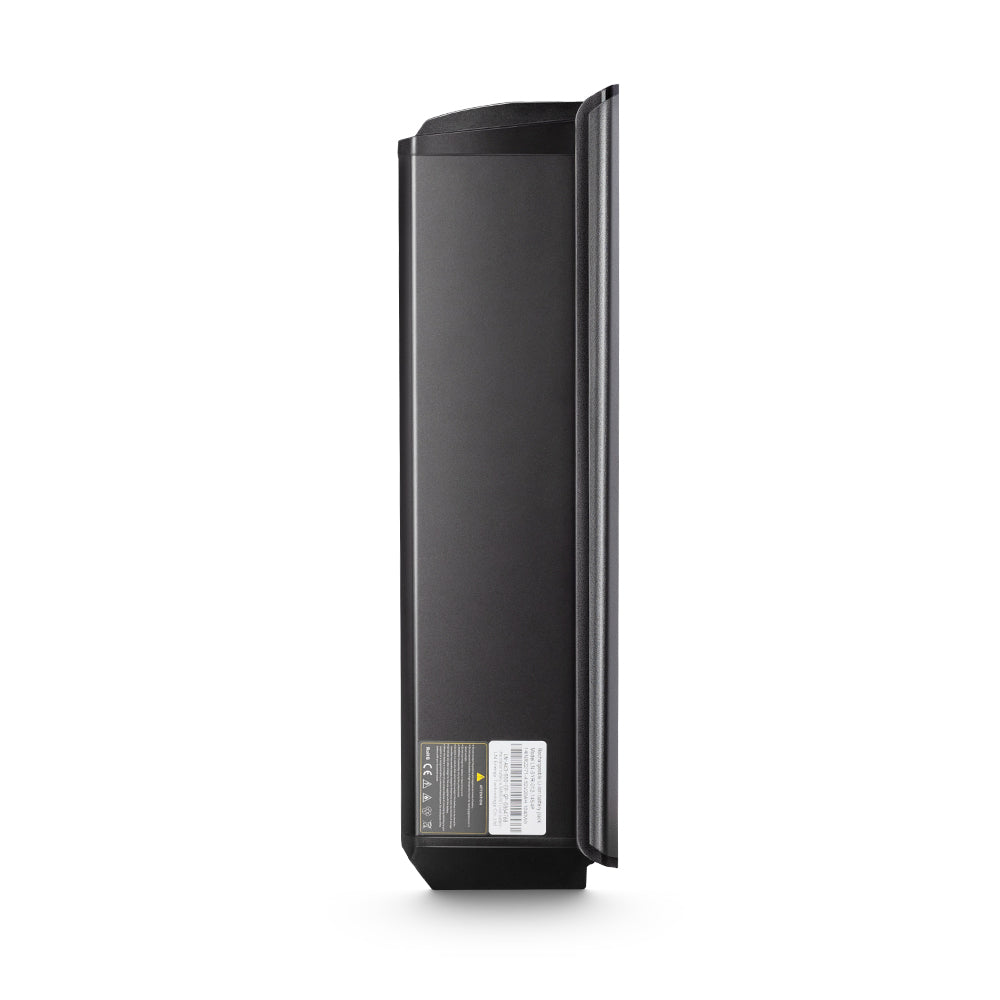
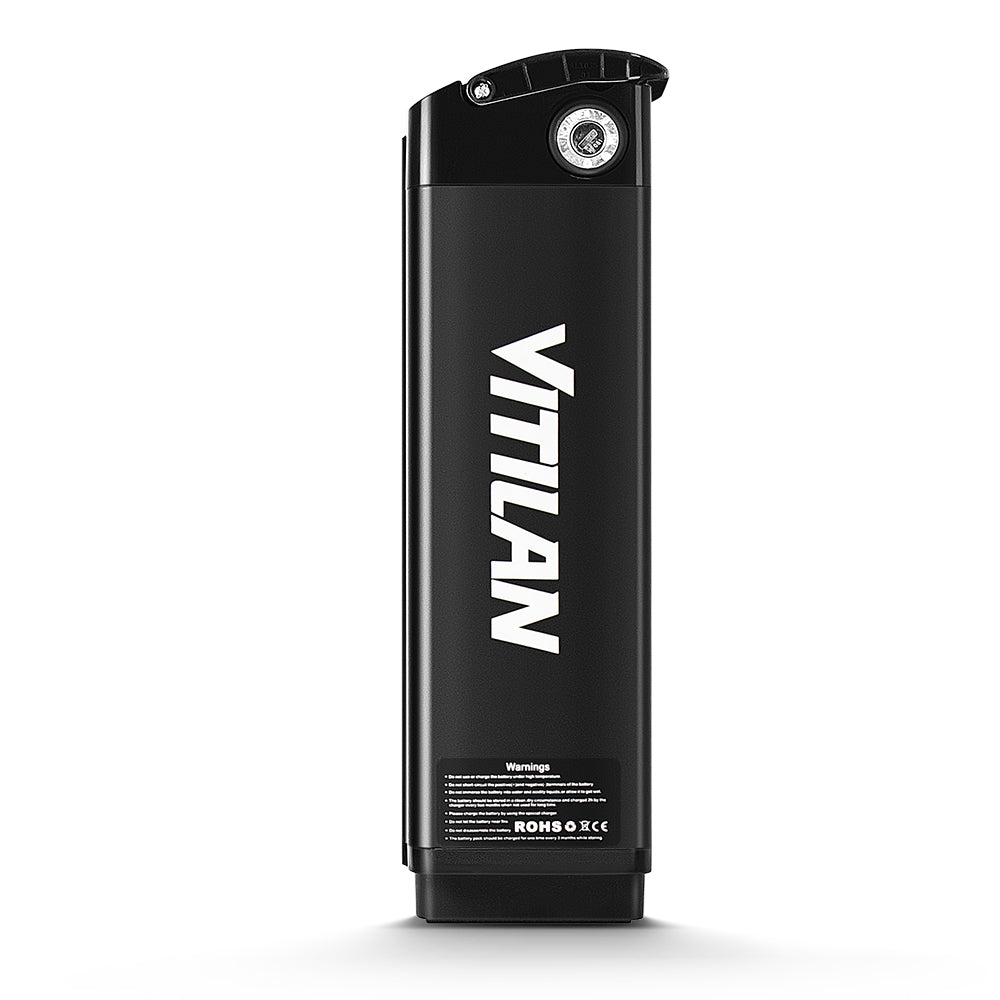
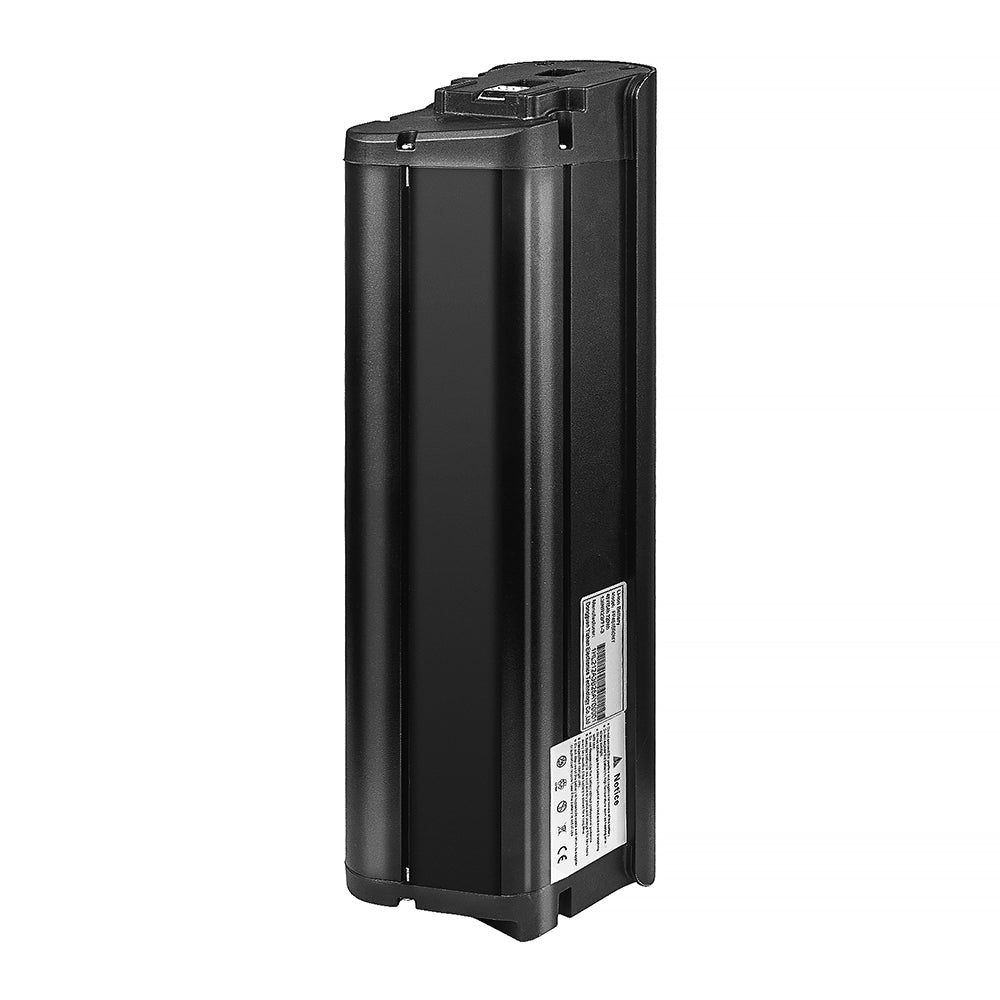
Der Unterschied liegt in der Akkukonfiguration. In den technischen Daten des I7 Pro ist ein 48-V-20-Ah-Lithiumakku von Samsung/LG aufgeführt, während für den V7 ein 48-V-20-Ah-Lithiumakku angegeben wird. In den Produkt-FAQ zum V7 wird außerdem der Wechsel vom 20-Ah-Akku von Samsung als eine der Änderungen gegenüber dem I7 Pro genannt.
Das bedeutet nicht, dass ein Modell automatisch weiter fährt oder ein Akku zwangsläufig länger hält.
Die Reichweite in der Praxis hängt weiterhin von der Unterstützungsstufe, Steigungen, dem Gewicht von Fahrer und Gepäck, der Temperatur, dem Zustand der Reifen und den Fahrgewohnheiten ab.
Wenn ein Samsung-/LG-Akku ein wichtiger Bestandteil Ihrer Kaufentscheidung ist, ist das I7 Pro die eindeutigere Wahl. Wenn Ihnen die Kapazität von 20 Ah und die ausgewogene Kombination der übrigen Eigenschaften des Fahrrads wichtiger sind, muss die Marke des Akkus nicht unbedingt ausschlaggebend sein.
Größe und Gewicht im zusammengeklappten Zustand sind nahezu identisch
Wenn Sie hoffen, dass sich eines dieser beiden Fahrräder deutlich leichter verstauen lässt, gibt es zwischen ihnen nur sehr geringe Unterschiede.
Auf beiden Produktseiten werden derzeit zusammengeklappte Abmessungen von ungefähr 38,6 × 22 × 31,5 Zoll angegeben, während beide Fahrräder etwa 78 lbs wiegen.
Das bedeutet, dass beide Modelle den benötigten Stauraum im zusammengeklappten Zustand verringern können, was zu Hause, in einer Garage oder im Kofferraum eines entsprechend großen Autos nützlich sein kann.
Klappbar bedeutet jedoch nicht unbedingt leicht. Wenn Sie das Fahrrad täglich Treppen hinauftragen müssen, sollten Sie sein Gesamtgewicht vor dem Kauf dennoch berücksichtigen.
Daher dürfte die Größe im zusammengeklappten Zustand kaum der entscheidende Faktor zwischen V7 und I7 Pro sein.
Machen Display und Gashebel einen Unterschied?
Außerdem gibt es einige Unterschiede bei der Steuerung der beiden Fahrräder.
Das V7 verwendet ein 81F-Display und einen Drehgriff-Gashebel, während das I7 Pro 3.0 mit einem intelligenten Multifunktionsdisplay und einem Daumengashebel ausgestattet ist.
Diese Details ändern nichts am grundlegenden Zweck beider Fahrräder, können aber die persönliche Vorliebe beeinflussen. Manche Fahrer empfinden eine Drehgriffsteuerung als intuitiver, während andere lieber den Daumen benutzen. Bei den Displays ist es ähnlich: Entscheidend ist weniger, welcher Name fortschrittlicher klingt, sondern ob Anordnung und Bedienelemente zu Ihrer Fahrweise passen.
Die Produktinformationen zum V7 weisen außerdem auf Änderungen am Beleuchtungssystem und an den Klapppedalen im Vergleich zum I7 Pro hin. Diese Unterschiede sollte man kennen, sie sind jedoch eher nebensächlich und nicht die wichtigsten Gründe, sich für das eine oder andere Modell zu entscheiden.
Welches Fahrrad eignet sich besser für das tägliche Pendeln: V7 oder I7 Pro?
Für das Pendeln in der Stadt unter der Woche bieten beide Fahrräder sehr ähnliche Grundlagen. Ihre klappbaren Rahmen können die Aufbewahrung erleichtern, während die breiten Reifen und die vollgefederten Konstruktionen auf Stadtstraßen nützlich sind, die nicht immer vollkommen eben sind.
Wenn du noch abwägst, ob dieser Fahrradtyp für den täglichen Weg geeignet ist, nimmt unser Ratgeber zur Auswahl eines faltbaren E-Bikes für den täglichen Arbeitsweg gefaltete Größe, Gewicht, Komfort, Reichweite und die Anforderungen des Pendelns in der Praxis genauer unter die Lupe.
Sobald du weißt, dass ein faltbares Fat-Tire-Bike zu deinem Alltag passt, ist das V7 eine sinnvolle Wahl, wenn:
- Die Shimano-7-Gang-Schaltung reicht für deine regelmäßige Strecke aus;
- Eine Luftfedergabel ist für dich nicht unbedingt erforderlich;
- Du möchtest Faltbarkeit, Fat-Tires und Vollfederung beibehalten;
- Du interessierst dich mehr für die Funktionen, die du tatsächlich nutzen wirst, als einfach nur für eine längere Ausstattungsliste.
Für diese Art von Fahrern konzentriert sich das Vitilan V7 faltbare Pendler-E-Bike darauf, die wichtigsten Funktionen für den täglichen Gebrauch ausgewogen zu kombinieren.
Was, wenn du am Wochenende auch verschiedene Strecken fahren möchtest?
Wenn du dein E-Bike nicht nur zum Pendeln, sondern auch für Wochenendfahrten durch Parks, über Landstraßen oder auf etwas abwechslungsreicheren Freizeitrouten nutzen möchtest, werden Federung, Reifen und Schaltung wichtiger als die reine Größe im gefalteten Zustand.
Sowohl das V7 als auch das I7 Pro verwenden 20 × 4 Zoll große Fat-Tires sowie eine Federung vorne und hinten, sodass kein Modell auf perfekt glatte Straßen in der Stadt beschränkt ist.
Der Unterschied besteht darin, dass das Vitilan I7 Pro vollgefederte elektrische Klapprad besser zu deinen Vorlieben passt, wenn du ausdrücklich eine Luftfedergabel, die zusätzliche mechanische Bandbreite der Shimano-8-Gang-Schaltung und einen 20-Ah-Akku von Samsung/LG möchtest.
Wenn das Pendeln unter der Woche weiterhin deine Hauptnutzung ist und du am Wochenende nur gelegentlich in Parks, auf Landstraßen oder geeigneten leichten unbefestigten Strecken fährst, bietet das V7 bereits den Klapprahmen, die Fat-Tires und die Vollfederung, die diese Vielseitigkeit unterstützen.
V7 oder I7 Pro: Welches ist das richtige für Sie?
Das V7 und das I7 Pro haben mehr Gemeinsamkeiten als Unterschiede. Daher sollte die endgültige Wahl nicht davon abhängen, in welcher Spalte die größeren Zahlen stehen.
Das V7 dürfte für Fahrer geeignet sein, denen tägliches Pendeln, platzsparendes Verstauen, breite Reifen und Vollfederung wichtig sind und denen eine Shimano-7-Gang-Schaltung sowie eine hydraulische Gabel für ihre üblichen Strecken ausreichen.
Das I7 Pro 3.0 dürfte vor allem Fahrer ansprechen, die ausdrücklich eine Luftfedergabel, eine Shimano-8-Gang-Schaltung und einen 20-Ah-Akku von Samsung/LG wünschen.
Anstatt sie einfach als „Basismodell“ und „Premium-Modell“ zu betrachten, ist es treffender, sie als zwei ähnliche elektrische Faltfahrräder mit breiten Reifen und unterschiedlichen Ausstattungsvarianten zu sehen.
Vor dem Kauf ist die nützlichste Frage:
Welche dieser Unterschiede werde ich tatsächlich nutzen?
Sobald dies klar ist, wird die Wahl zwischen dem V7 und dem I7 Pro deutlich einfacher.
Häufig gestellte Fragen
Was sind die wichtigsten Unterschiede zwischen dem V7 und dem I7 Pro?
Beide Fahrräder verfügen über Falt Rahmen, 20 × 4 Zoll breite Reifen sowie Vorder- und Hinterradfederung. Die wichtigsten Unterschiede betreffen die Federgabel, die Schaltung, den Akku und bestimmte Bedienelemente. Das V7 verwendet eine hydraulische Federgabel, eine Shimano-7-Gang-Schaltung und einen 48-V-20-Ah-Lithiumakku, während das I7 Pro 3.0 mit einer Luftfedergabel, einer Shimano-8-Gang-Schaltung und einem 48-V-20-Ah-Samsung/LG-Lithiumakku ausgestattet ist.
Welches ist besser für das Pendeln in der Stadt, das V7 oder das I7 Pro?
Beide eignen sich für das tägliche Pendeln in der Stadt. Das V7 ist besser für Fahrer geeignet, die keine Luftfedergabel oder keinen 8-Gang-Antrieb benötigen und mehr Wert auf grundlegende Alltagsfunktionen legen. Das I7 Pro könnte besser geeignet sein, wenn Sie ausdrücklich seine Luftfedergabel, 8-Gang-Schaltung und die Samsung/LG-Akkukonfiguration bevorzugen.
Welches lässt sich leichter verstauen, das V7 oder das I7 Pro?
Die angegebenen Faltmaße und Gesamtgewichte sind nahezu identisch, daher gibt es keinen wesentlichen Unterschied beim Stauraum. Wichtiger ist zu prüfen, ob die Faltmaße und das Gewicht von etwa 78 lb in Ihr Zuhause, Ihre Garage oder Ihr Fahrzeug passen.
Macht Shimano 8-Gang im Vergleich zu 7-Gang einen großen Unterschied?
Für Fahrer auf relativ gleichmäßigen Stadtstrecken dürfte der Unterschied kaum dramatisch ausfallen. Ein 8-Gang-Antrieb bietet hauptsächlich eine etwas feinere Auswahl an mechanischen Übersetzungen. Er kann nützlicher sein, wenn Ihre Strecken unterschiedliche Steigungen aufweisen oder Sie häufig die Gänge wechseln, um sie an verschiedene Bedingungen anzupassen.


